
Flowers
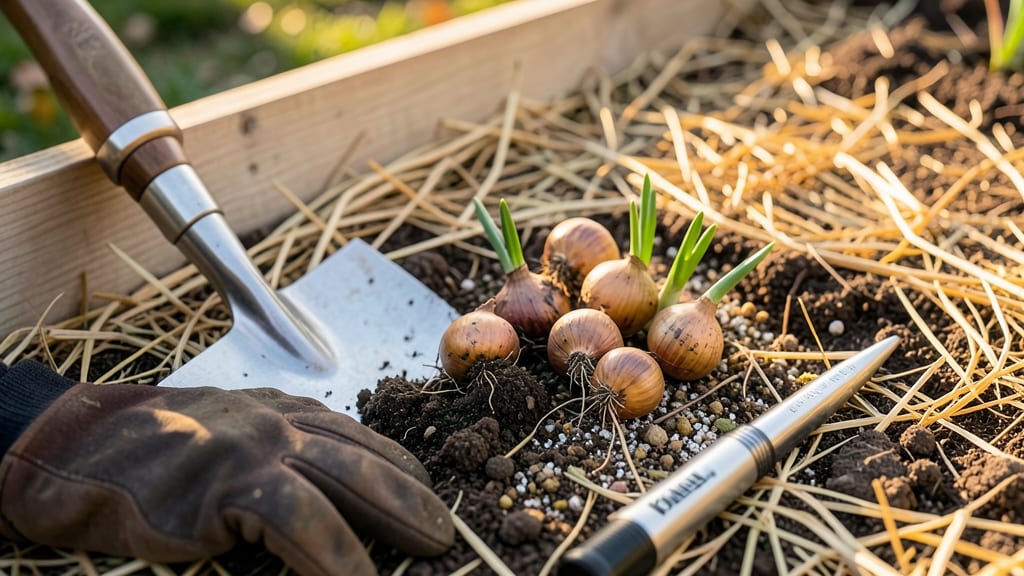
Planting flower bulbs 🌷 in autumn isn’t just about timing—it’s about giving them the perfect chill-hour head start for showstopping spring blooms. If you’ve ever waited eagerly for tulips or daffodils only to be disappointed by weak stems or no flowers, you’re not alone.
The key lies in understanding your hardiness zone and matching it to each bulb’s unique needs before the ground freezes.
Most gardeners in Zone 6a (like me!) have a 6-8 week window between mid-October and mid-November to get bulbs in the ground. But here’s the catch: planting too early can trigger premature sprouting, while waiting too long risks bulbs rotting before winter sets in.
I’ll walk you through exactly how to calculate your local frost dates and adjust for your specific bulb varieties—so you can avoid those frustrating gardening missteps.
Whether you’re a beginner or a seasoned gardener, this guide will help you master the art of autumn bulb planting. We’ll cover everything from soil prep to spacing tips, plus a checklist to ensure your bulbs get the ideal winter dormancy they crave.
Ready to transform your spring garden into a vibrant, blooming paradise? Let’s dive in.
By the end, you’ll know exactly when to plant each type of bulb—from chill-loving tulips to hardy alliums—and how to troubleshoot common issues like soggy soil or uneven blooms. No more guesswork, just reliable, beautiful results that’ll make your neighbors green with envy.
Autumn planting deadlines by hardiness Zone: exact weeks for perfect timing
Planting flower bulbs in autumn is all about timing—specifically, the 6-8 week window before your first frost date. This ensures bulbs establish roots before winter dormancy.
In Zone 6a, like where I garden, that typically means mid-September to early November, but exact dates vary dramatically by region.
Your local last frost date is the anchor for planning. For example, in Zone 3, you’ll want bulbs in the ground by late September, while Zone 10 gardeners can plant until mid-December.
The key is to let bulbs root deeply before soil temperatures drop below 50°F (10°C) for more than a week.
Don’t rely on calendar months alone—check your hardiness zone and soil temperature trends. Use a soil thermometer to confirm when temps consistently stay below 60°F (15°C) at night. This is your cue to start planting.
Here’s how to calculate your exact window: Subtract 6-8 weeks from your first frost date. For instance, if frost hits November 15th, plant between September 28th and October 25th. Pro tip: Add 2-3 weeks of buffer if your autumn is unpredictable.
If you’re in a warmer zone (7-10), you’ve got more flexibility, but don’t wait too long. Bulbs planted after mid-November in colder zones risk rotting before they root.
In Zone 10, where winters are mild, you can even plant into January, but aim for October-November for best results.
For container gardening, adjust your timeline by 2-3 weeks earlier since pots freeze faster. Use black plastic pots to absorb heat and extend the planting window slightly. I’ve found this trick helps in Zone 6a when early frosts sneak in.
Always test your soil’s drainage before planting. Bulbs rot if left in soggy soil over winter. Amend heavy clay with compost or sand to improve aeration. A quick percolation test—pouring water and timing how long it takes to drain—will save you from costly mistakes.
Mark your calendar with three key dates: your first frost date, the soil temperature drop, and your local bulb store’s last shipment date. Last year, I missed the deadline for my favorite tulip bulbs because I didn’t check the supplier’s cutoff—don’t make that mistake!
Use a planting calendar app or your local cooperative extension service for hyper-local advice. They’ll provide frost dates tailored to your microclimate, which can differ by 1-2 weeks even within the same city.
Chill-hour requirements by flower bulb type: matching varieties to your climate
Not all flower bulbs have the same chill-hour needs, which means planting timing varies dramatically depending on your USDA hardiness zone and the variety you choose. For example, tulips and hyacinths thrive with 1,200-1,500 chill hours, while daffodils can handle just 300-500 chill hours.
Understanding these requirements ensures your bulbs won’t bloom too early or fail to sprout at all.
In cooler climates like Zones 3-5, most bulbs can be planted as early as late August, but in warmer Zones 7-10, you’ll need to plant 10-12 weeks before the first frost—often as late as mid-November.
For instance, grape hyacinths need 900-1,200 chill hours, making them perfect for Zones 4-8, while crocuses only require 200-400 chill hours, ideal for Zones 5-9.
| Bulb Type | Chill-Hour Needs | Best Zones | Planting Window |
|---|---|---|---|
| Tulips | 1,200-1,500 | 3-8 | 6-8 weeks before frost |
| Daffodils | 300-500 | 4-9 | 8-10 weeks before frost |
| Hyacinths | 900-1,200 | 4-8 | 6-8 weeks before frost |
| Alliums | 600-900 | 3-9 | 8-10 weeks before frost |
| Crocuses | 200-400 | 5-9 | 10-12 weeks before frost |
If you’re in a warmer zone like Zone 9 or 10, opt for low-chill varieties like Spanish bluebells (200-300 chill hours) or rain lilies (150-250 chill hours).
These bulbs can even be planted in late autumn or even early winter if the soil hasn’t frozen yet. Conversely, in cold climates, bulbs like fritillaries (1,500+ chill hours) will reward you with stunning blooms.
Pro tip: Check your local almanac or use a chill-hour calculator to estimate your region’s chill hours. For example, Seattle (Zone 8) averages 1,200 chill hours, while Miami (Zone 10) gets only 200-300 chill hours.
Matching your bulbs to these numbers is key to avoiding premature blooming or failed sprouting.
For container gardening, choose bulbs with lower chill-hour needs like daffodils or crocuses, as pots can freeze more easily. If you’re unsure, start with a mix of high-chill and low-chill varieties to test what thrives in your microclimate.
Experimenting with different bulbs helps you discover the perfect springtime color palette for your garden.