
Companion Plants
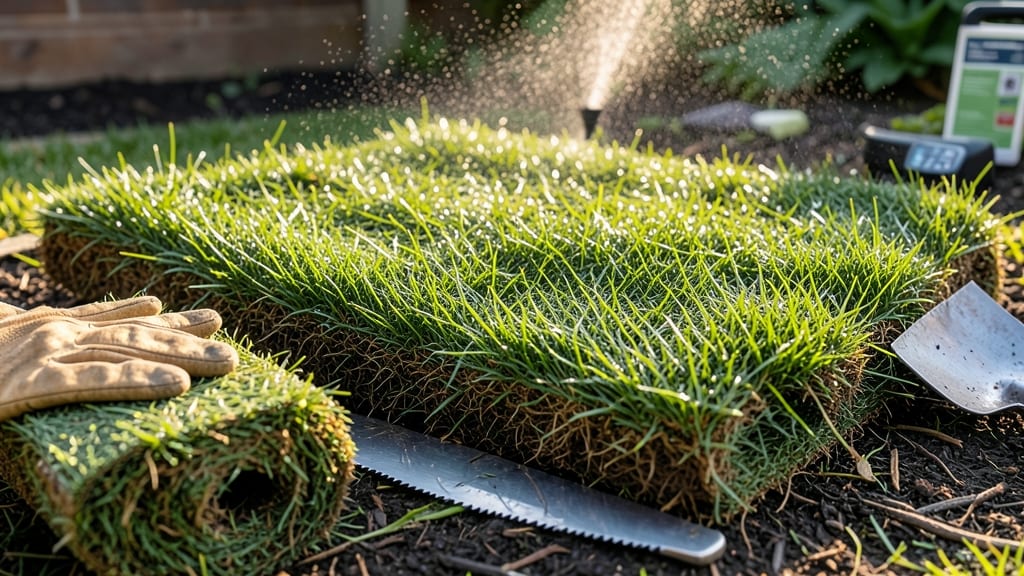
Planting fescue sod in Oklahoma at the wrong time could leave your lawn struggling through the heat or freezing before it takes root—but getting the timing right means a thick, green carpet that survives even the state's wildest weather swings.
I've seen firsthand how Oklahoma's 6a-8a climate zones create dramatic differences in planting success. The late summer to early fall window (August through October) gives fescue 🌱 the perfect shot to establish deep roots before winter sets in.
But there's more to it than just picking a month—soil temperatures, rainfall patterns, and even your specific region's frost dates play critical roles.
What you'll discover here is exactly when to roll out that sod in your part of Oklahoma, whether you're in the cooler northern areas or the warmer southern regions. I'll break down the ideal planting windows, soil prep secrets, and watering schedules that actually work in our unpredictable climate.
Let's get your lawn off to the best possible start—because with the right timing, your fescue will be the envy of every neighbor by next spring.
Optimal fescue sod planting windows in Oklahoma’s climate zones
Timing your fescue sod installation in Oklahoma isn’t one-size-fits-all—it depends on your USDA hardiness zone (6a-8a) and whether you’re in northern or southern Oklahoma. The ideal window is late summer to early fall, but exact dates shift based on soil temperatures and frost risks.
For northern Oklahoma (zones 6a-7a), aim for mid-August to mid-September, while southern Oklahoma (zones 7b-8a) can extend planting until early October.
Fescue thrives when soil temperatures hover between 60°F and 75°F—too hot, and roots struggle; too cold, and growth stalls. In Oklahoma, late summer heat often cools enough by mid-August in most regions, creating the perfect balance.
However, early frost risks (especially in northern Oklahoma) mean you shouldn’t wait past mid-October, or your sod may not establish roots before dormancy.
Here’s how Oklahoma’s two main regions differ in their planting windows and key considerations:
Why this timing? Fescue sod needs 4–6 weeks to establish roots before winter dormancy. Planting too early (e.g., June or July) risks heat stress and dormancy before roots take hold. Planting too late (e.g., November) leaves sod vulnerable to freeze damage before it can recover.
Oklahoma’s variable rainfall also plays a role—dry spells in late summer can stress new sod, so irrigation planning is critical.
Pro tip: Check the Oklahoma Mesonet or OSU Extension for real-time soil temperature and rainfall forecasts before planting. Aim for consistent moisture in the first 2–3 weeks post-installation, as Oklahoma’s alkaline soils can dry out quickly.
Use a soil thermometer to confirm temperatures—if they’re above 80°F, wait a week or two.
For northern Oklahoma gardeners, late August is your sweet spot—cool enough to avoid stress but warm enough for root growth. In southern Oklahoma, you can push to early October, but monitor 10-day forecasts for frost warnings.
If you’re unsure, late August is a safe bet statewide, balancing heat avoidance and root establishment.
Another critical factor is daylength. Fescue grows best with 12–14 hours of daylight, which Oklahoma enjoys through late September. After that, shorter days signal dormancy, so plant before September 20 to maximize growth before winter.
If you miss this window, consider spring planting (March–April), though sod takes longer to recover from winter dormancy.
Local Oklahoma City and Tulsa gardeners often plant in early September, while Lawton and Oklahoma City lean toward mid-September. Adjust based on your microclimate—shady areas may need slightly earlier planting to compensate for cooler soil temps.
Always test your soil (pH 6.0–7.0 is ideal for fescue) and amend with compost to improve water retention in Oklahoma’s clay-heavy soils.
Finally, don’t overlook post-planting care. Oklahoma’s hot winds and sudden rain can stress new sod, so water deeply 2x daily for the first week, then taper to 1–1.5 inches weekly.
Use a sprinkler with even coverage to avoid dry spots—Oklahoma’s uneven rainfall can create patchy growth if irrigation isn’t consistent.
By aligning your planting with Oklahoma’s climate zones and soil conditions, you’ll give your fescue sod the best shot at thriving—even through the state’s unpredictable winters. 🌱
How Oklahoma’s weather affects fescue sod success: what to Watch for
Oklahoma’s unpredictable weather can turn a perfect fescue sod planting window into a high-stakes gamble. The state’s hot summers and variable fall temperatures demand careful planning—especially if you want your sod to establish strong roots before winter.
One wrong move, like planting too early or too late, can leave your lawn struggling with heat stress or early frost damage.
For example, southern Oklahoma’s earlier frost dates (as early as October 15) mean you’ll need to plant fescue sod by mid-September to give roots time to anchor. Meanwhile, northern regions with later frosts (around November 15) offer a slightly extended window—but don’t push it too far.
The key is balancing soil warmth (ideal at 60–75°F) with cooler evening temps that signal root growth.
- Heat Spikes: Planting in August’s 90°F+ days can cause sod to bake in the sun before roots establish.
- Sudden Rainfall: Oklahoma’s pop-up thunderstorms can erode newly laid sod or create waterlogged soil.
- Early Frost: A premature freeze in October can stunt root growth if sod isn’t fully settled.
Another critical factor is soil moisture retention. Oklahoma’s alkaline soils (common in the state) drain quickly, so you’ll need to water deeply and frequently after planting. Skipping this step can leave your sod wilted and patchy—especially in western Oklahoma’s drier climates.
I’ve seen lawns in Lawton or Altus suffer when homeowners underestimate the 1–1.5 inches of water per week needed during establishment.
Don’t overlook wind exposure, either. Oklahoma’s spring and fall winds can dry out newly laid sod faster than you’d expect. If your property is open and windy, consider temporary windbreaks (like straw mulch or burlap) until roots take hold.
Even a light breeze can desiccate sod edges, leading to brown, crispy patches.
For real-time adjustments, check the Oklahoma Mesonet or your local OSU Extension office for 7-day forecasts and soil temperature updates. These tools can help you shift your planting date by a week or two if a heatwave or cold snap is predicted.
Pro tip: Aim to plant when daytime highs are below 85°F and nighttime lows stay above 50°F—this sweet spot is your best bet for success.
Finally, remember that shade patterns change with Oklahoma’s seasons. A spot that’s fully sunlit in summer might cast partial shade in winter. If your lawn has mature trees, plant fescue sod on the sunniest side of the yard to ensure consistent growth.
With these weather factors in mind, your sod will stand a much better chance of thriving—no matter what Oklahoma throws your way. 🌧️☀️