
Plants
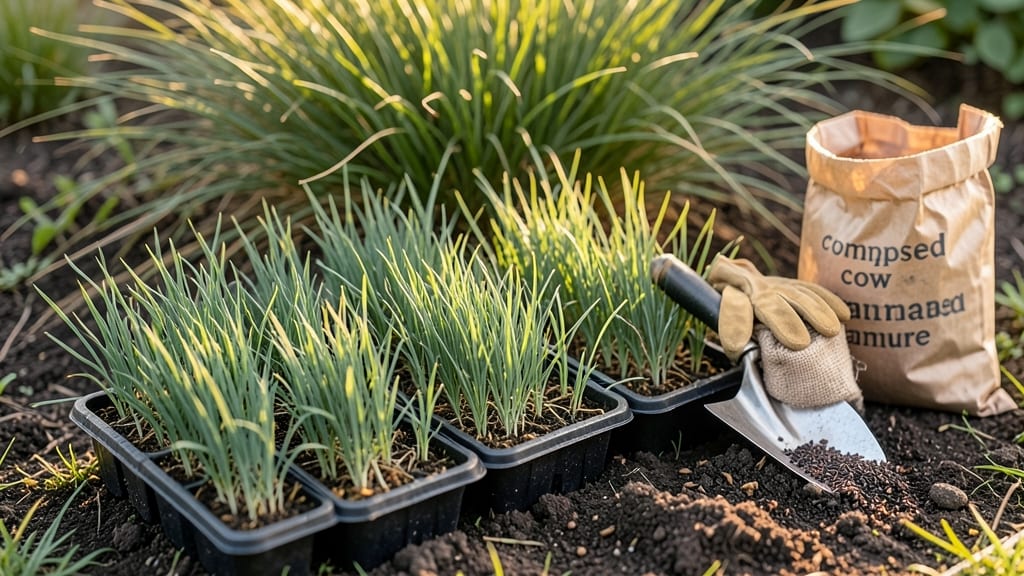
Timing your fescue planting in Kansas is the difference between lush, drought-resistant grass and a patchy lawn that fights for survival. With USDA zones 5b-7a and Kansas' unpredictable weather, knowing when to plant 🌱 fescue means avoiding spring freezes or summer drought stress.
Most gardeners swear by early fall planting—September to October—when soil temperatures hover between 50-65°F and days are still warm enough for root growth. But early spring (March-April) works too, if you're ready to act fast before the last frost hits around April 15.
Why does timing matter so much? Fescue needs 4-6 weeks to establish strong roots before winter sets in. Plant too late, and your grass won't have time to recover from Kansas' harsh winters. Too early, and cold soil can slow germination.
In this guide, I'll break down the exact planting window for your region—whether you're in Wichita, Kansas City, or rural areas—plus soil prep tips to ensure your fescue thrives year-round. Let's get started.
Kansas fescue planting timeline: soil temperature & frost-free deadlines
Timing your fescue grass planting in Kansas is all about avoiding the heat stress of summer and the frost risks of late spring. The ideal window spans from early March to late April (spring) or early September to mid-October (fall), when soil temperatures sit between 50-65°F.
This range lets seeds germinate without drying out or freezing—critical for Kansas’ USDA zones 5b-7a.
Kansas’ last average frost date hovers around April 15, but rural areas like Hays or Garden City can see frost as late as May 1. Meanwhile, Wichita and Topeka typically hit 50°F soil temps by early March.
Use these dates as your planting deadline, but adjust for microclimates—slopes warm faster, and low-lying areas stay cooler.
Fall planting offers a longer frost-free window (160-200 days) for root establishment. Aim to plant 4-6 weeks before the first frost (usually mid-October), giving seedlings time to develop before winter dormancy. Early September is ideal for southern Kansas, while northern areas should wait until late September.
🌱
| Season | Ideal Planting Months | Soil Temp Range (°F) | Key Considerations |
|---|---|---|---|
| Spring | March-April | 50-65°F | Avoid late frosts; water deeply 2x/week |
| Fall | September-October | 55-65°F | Plant 4-6 weeks before frost; roots harden by winter |
| Regional Adjustments | Southern KS: Shift 2 weeks earlier | N/A | Check local frost maps (e.g., KSRE) |
For rural Kansas, where microclimates run wild, use a soil thermometer to confirm temps. Clay soils in eastern Kansas stay cooler longer, while western loam soils warm faster. If your soil hits 65°F+ in spring, delay planting until temps drop back to 50-60°F—heat-stressed seeds germinate poorly.
Pro tip: Seed germination slows below 50°F and stops below 40°F. Use row covers or straw mulch in early spring to insulate seeds if nighttime temps dip. In fall, avoid planting after October 15—seedlings need 4-6 weeks to establish roots before winter.
Kansas City’s urban heat island can push soil temps 5-10°F warmer than rural areas. If you’re in the city, plant 2 weeks later than suburban guidelines to match cooler outlying soils. Always check 7-day forecasts for frost warnings—even in May, late frosts can kill young seedlings.
🌡️
Use USDA Plant Hardiness Zone Map (Zone 5b-7a) as a baseline, but Kansas’ continental climate means local conditions matter more. For example, Hays (Zone 6a) has a longer frost-free season than Atchison (Zone 5b).
Adjust your planting by 1-2 weeks based on your exact location—KSRE’s county reports are your best friend here.
Remember: Fescue’s deep roots (up to 6 feet) need time to establish. Planting too late in spring risks summer drought stress, while fall planting too early can lead to overgrowth before winter.
Balance is key—aim for 60-70°F soil temps and consistent moisture for the first 30 days post-planting.
How to prepare Kansas soil for fescue: pre-planting checklist by month
Kansas’ clay-heavy soil and variable moisture can make or break your fescue lawn. The key to success? Preparing your soil 4-6 weeks before planting—whether you’re seeding in early fall (September-October) or early spring (March-April).
Start by testing your soil pH (aim for 6.0-7.0), as fescue struggles in acidic or alkaline extremes. Most Kansas soils lean alkaline, so you may need to amend with sulfur or peat moss.
Next, break up compacted soil with a tiller or broadfork, especially if your yard has heavy foot traffic. Fescue roots need 3-4 inches of loose topsoil to establish deeply.
If your soil feels like concrete, mix in 2-3 inches of compost or well-rotted manure to improve drainage and fertility. Avoid fresh manure—it can burn seeds and attract pests.
Here’s your month-by-month prep checklist for Kansas’ two planting seasons, tailored to avoid the hottest summer months (June-August) when seeds dry out quickly:
- Test soil pH and amend if needed (add lime to raise pH or sulfur to lower it).
- Till top 4 inches of soil to loosen clay and remove weeds.
- Spread 2-3 inches of compost and rake evenly.
- Level the area with a garden rake to prevent low spots from pooling water.
- Lightly water the soil 1-2 days before seeding to encourage germination.
- Apply a starter fertilizer (10-10-10) at half strength to boost root growth.
- Plant fescue seeds ¼ inch deep, then cover with a thin layer of straw mulch.
- Avoid heavy foot traffic for 2-3 weeks to protect young seedlings.
- Repeat soil pH test—fall amendments may have shifted levels.
- Add organic matter if soil feels dry or crumbly from winter.
- Wait until soil temps reach 50°F+ (use a soil thermometer!).
- Seed after last frost date (typically mid-April in Kansas).
- Keep soil consistently moist (not soggy) until seedlings are 2-3 inches tall.
- Avoid weed killers—they’ll harm young fescue too.
- Mow new grass when it reaches 3-4 inches to encourage density.
One critical mistake Kansas gardeners make? Over-tilling or skipping soil tests. If your soil pH is off by even 0.5 points, seeds may fail to germinate.
Use a digital pH meter (they’re cheap and accurate) or send a sample to your local Kansas State University Extension office for a free analysis. They’ll also provide region-specific recommendations for your county.
For clay-heavy areas (common in eastern Kansas), mix in sand or perlite to improve drainage. In western Kansas, where soils are sandier, add compost or coconut coir to retain moisture. Mulch lightly after planting—straw or shredded leaves help retain moisture and suppress weeds without smothering seeds.
Pro tip: If you’re seeding in late September, choose a cold-hardy variety like ‘Titan’ to survive early frosts. Water deeply in the morning to prevent fungal diseases, and avoid evening watering—wet grass at night is a recipe for dollar spot fungus, a common Kansas lawn problem.