
Plants
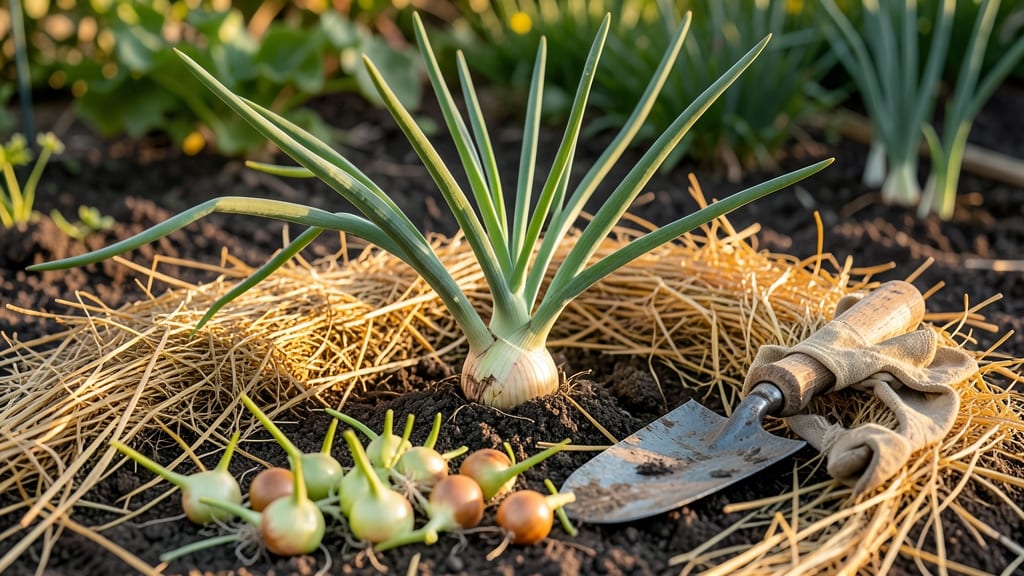
Planting fall onions 🧅 at the right time in Zone 7 could save you from bitter bulbs or wasted effort—get the timing wrong, and you might miss the sweet spot between growth and frost.
The key is understanding how many weeks before your first frost you should start, because those 8-12 weeks make all the difference for a successful harvest.
For gardeners in Zone 7, where the first frost typically arrives around November 1, working backward gives you a precise window: aim to plant your fall onions between late August and mid-September.
This timing ensures your onions mature just before the cold sets in, locking in that perfect balance of flavor and storage potential.
But here's the catch: not all onions are created equal. Short-day varieties like '1015Y' thrive when planted earlier in this window, while longer-day types need that late-September push.
I'll show you exactly how to adjust your planting schedule based on the variety you choose, so you can extend your harvest window without risking frost damage.
Whether you're a seasoned gardener or just starting out, nailing this timing means fewer bitter bulbs and more storage-ready onions. Let's break down the exact steps to plant yours for a reliable harvest—no guesswork required.
Exact weeks before frost to plant fall onions in Zone 7
Getting your fall onion planting timing right in Zone 7 means calculating 8-12 weeks before frost—not just guessing. Since Zone 7's first frost typically arrives between October 25 and November 15, your ideal window lands in late August to early September.
This timing ensures bulbs mature fully before cold sets in, preventing bitter flavors or wasted effort.
Zone 7's regional variations matter too—Virginia's Richmond averages frost November 5, while Nashville, Tennessee sees it November 15. North Carolina's Raleigh falls in between at November 10. Use your local frost date to adjust your planting schedule accordingly.
Here's the key: Short-day onions (like '1015Y') thrive when planted 8-10 weeks before frost, while long-day varieties (like 'Texas Early White') need 10-12 weeks. Misjudging this can lead to small bulbs or premature bolting—so pay attention to your onion type.
| Region | Avg. First Frost | Planting Window | Onion Type |
|---|---|---|---|
| Virginia (Richmond) | November 5 | August 20 - September 5 | Short-day |
| North Carolina (Raleigh) | November 10 | August 25 - September 10 | Both |
| Tennessee (Nashville) | November 15 | September 1 - 10 | Long-day |
For reliable results, use seed packets that specify days to maturity. For example, '1015Y' takes 90-105 days, while 'Texas Early White' needs 105-120 days. Count backward from your frost date to pinpoint your planting date—this avoids the common mistake of planting too late.
Pro tip: Stagger your plantings in 2-week intervals for a continuous harvest. Start with short-day onions in early August, then add long-day varieties in mid-September. This extends your harvest window and reduces waste.
Soil temperature plays a critical role too. Fall onions germinate best in 50-70°F soil. In Zone 7, soil temps drop below 60°F by late September, so aim to plant before then. Use a soil thermometer to confirm—cool soil slows germination and can lead to uneven growth.
Don’t forget to prep your soil 2-3 weeks before planting. Work in 2-3 inches of compost and a balanced fertilizer (like 5-10-10) to give your onions a nutrient boost.
Well-draining soil prevents rot, while loose soil makes harvesting easier—both are non-negotiables for Zone 7 fall onions.
If you’re new to fall onions, start small with 10-15 plants to test your timing. Even experienced gardeners sometimes misjudge frost dates, so keep a planting journal to track what works best in your microclimate. Over time, you’ll refine your planting schedule for perfectly timed harvests every fall.
Finally, watch for early signs of frost in late October. If temps dip below 32°F before your onions mature, use row covers to protect them. A 5-7°F buffer can buy you 2-3 extra weeks of growth—sometimes enough to save your entire crop from bolting prematurely.
Exact weeks before frost to plant fall onions in Zone 7
In Zone 7, the first frost typically arrives around November 1, but exact dates vary by location. For fall onions to mature properly, plant them 8-12 weeks before frost—meaning early to mid-August is your ideal window. This timing ensures bulbs develop fully before cold weather sets in.
Miss the window, and you risk small, pungent bulbs or even failure to harvest. Use your local frost date as a guide: subtract 10 weeks for short-day varieties like '1015Y', or 8 weeks for long-day types like 'Texas Early White'.
Zone 7’s 180 frost-free days make this timing critical.
| Stage | Action | Zone 7 Timing |
|---|---|---|
| Soil Prep | Test pH (6.0-7.0), add compost | July 15-Aug 1 |
| Planting | Direct seeds ½" deep, 4" apart | Aug 1-15 |
| Thinning | Remove weak seedlings, leave 6" spacing | Aug 15-30 |
| Fertilizing | Apply 5-10-10 at planting, again in Sept | Aug 15 & Sept 1 |
| Harvest | Pull when tops yellow, cure in shade | Oct 15-Nov 1 (before frost) |
For Northern Zone 7 (e.g., Virginia), aim for early August planting to account for earlier frosts. In Southern Zone 7 (e.g., North Carolina), you can extend to mid-August. Check your local USDA frost map—even a 2-week difference can affect bulb size.
Pro tip: Use row covers if temperatures dip below 50°F after planting. This protects young seedlings without delaying growth. Avoid planting after September 1, as bulbs may not mature before frost, leading to small, sharp onions instead of sweet, storage-friendly varieties.
If you’re unsure about your frost date, err on the earlier side. Onions planted in late July will grow slower but still produce edible greens. For the best bulb development, stick to the 8-10 week window—this ensures you harvest plump, flavorful onions before the ground freezes.
Remember: Soil temperature matters too. Onions thrive in 50-85°F soil. If your area hits 90°F+ in August, opt for shade cloth to prevent bolting. The goal? Balanced growth—not too fast, not too slow.