
Plants
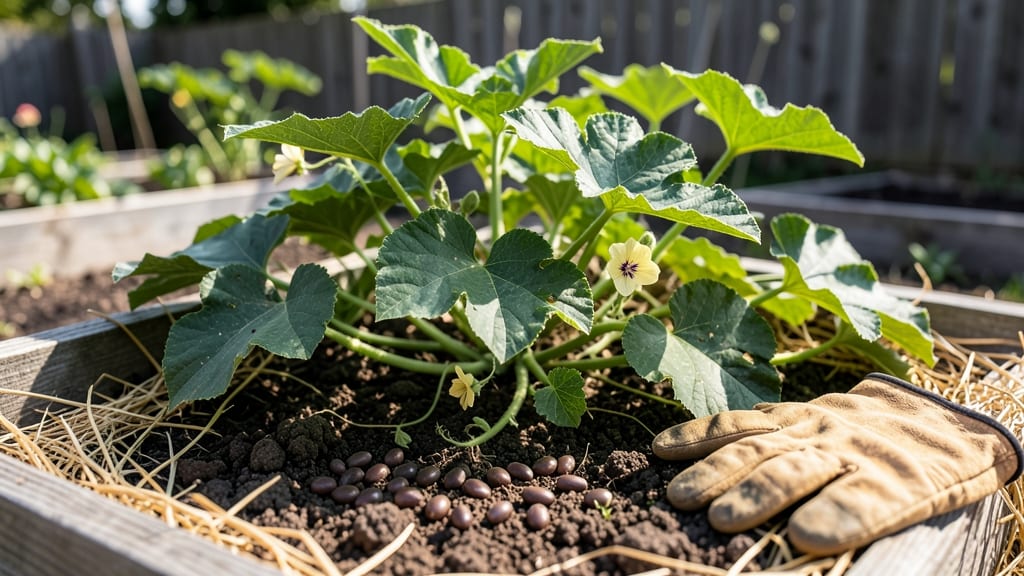
Planting watermelon in North Carolina at the right time can mean the difference between a bountiful harvest and wasted effort. With 7a-8b zones offering ideal conditions, timing your seeds or transplants after the last frost—typically mid-April to mid-June—sets the stage for sweet, juicy fruit by summer's end.
But here's the catch: soil temperature matters just as much as calendar dates. Watermelon seeds need 70°F+ soil to germinate quickly, which means waiting for warmer spring air to kick in fully.
In cooler Piedmont regions, you might need to use black plastic mulch to speed up warming, while coastal areas can start slightly earlier.
I've learned that rushing the process often leads to slower growth or even failed crops. The key is balancing patience with preparation—whether that means pre-sprouting seeds indoors for a head start or choosing heat-tolerant varieties that thrive in NC's humid summers.
Let me show you exactly how to time your planting for maximum yield, from heat zone maps to post-planting care that keeps your 🍉 vines thriving until harvest season arrives in July and August.
North Carolina heat zones: best planting windows for watermelon success
North Carolina’s diverse climate—from the cooler mountains to the humid coastal plains—means watermelon planting dates vary dramatically. The key to success? Matching your USDA heat zone with the right soil temperature and frost-free window.
Watermelons thrive when soil hits 70°F+, and planting too early risks cold damage or stunted growth.
For example, gardeners in Zone 7a (Asheville area) should wait until mid-May for safe planting, while those in Zone 8b (coastal Wilmington) can start as early as mid-April.
The difference? A 3-week shift in timing that directly impacts yield and sweetness. Let’s break it down by zone so you can pick the perfect window for your patch.
| Heat Zone | Last Frost Date | Ideal Planting Window | Soil Temp Threshold | Harvest Window |
|---|---|---|---|---|
| Zone 5-6 (Mountains: Boone, Spruce Pine) | Mid-May | Late May to early June | 75°F+ (use black plastic mulch) | Late August to September |
| Zone 7a (Piedmont: Greensboro, Raleigh) | Early April | Mid-April to early May | 70°F+ | June to early August |
| Zone 7b (Coastal Plain: Fayetteville) | Mid-March | Late March to April | 70°F+ | May to July |
| Zone 8a (Sandhills: Sanford) | Early March | Early to mid-April | 70°F+ | April to June |
| Zone 8b (Coast: Wilmington, Outer Banks) | Mid-February | Mid-April to May | 70°F+ (earlier with row covers) | May to August |
Notice how coastal zones (8a-8b) have a 6-week earlier window than mountain areas? That’s why I always recommend checking your local frost dates (use the NC State Climate Office tool) and adjusting for microclimates.
For instance, a south-facing slope in Zone 7a might warm up faster than a shady valley, letting you plant 1-2 weeks earlier.
Pro tip: If you’re in Zone 5-6, opt for early-maturing varieties like ‘Sugar Baby’ (60 days) or ‘Early Red’ (70 days) to beat the first frost. In warmer zones, you can even squeeze in a
North Carolina heat zones: best planting windows for watermelon success
North Carolina’s diverse climate zones mean your watermelon planting window can vary dramatically from the coastal plains to the mountains. The key? Soil temperature—watermelon seeds need at least 70°F to germinate.
In Zone 7a (western NC), aim for mid-May, while Zone 8b (coastal areas) can start as early as late March under row covers.
Use NC State Extension’s frost-free date map to pinpoint your last frost date—typically mid-April in the Piedmont and early May in the mountains. Planting too early risks cold soil and rotten seeds, while waiting too long cuts harvest time.
For fast germination and bigger fruit, align planting with peak soil warmth and long daylight hours.
| Heat Zone | Last Frost Date | Ideal Planting Window | Soil Temp Threshold | Notes |
|---|---|---|---|---|
| Zone 5-6 (Mountains) | Late May | Mid-June | 75°F+ | Use black plastic mulch |
| Zone 7a (Piedmont) | Mid-April | Late April-May | 70°F+ | Start seeds indoors |
| Zone 7b-8a (Coastal) | Early April | March-April | 65°F+ | Direct sow early |
| Zone 8b (Southeast) | Late March | February-March | 60°F+ | Extend season with row covers |
For Zone 8b gardeners, you can even try early February planting under row covers or in a greenhouse. Just ensure your soil stays warm—cold soil slows germination and invites damping-off disease.
Pro tip: Use a soil thermometer to confirm 70°F+ before planting. In higher elevations, opt for shorter-season varieties like 'Sugar Baby' (65 days) instead of 'Crimson Sweet' (85 days).
If you’re in Zone 7a or cooler, consider transplanting instead of direct sowing. Start seeds indoors 3-4 weeks before your last frost, then harden off seedlings for 7-10 days before moving them outdoors.
This gives vines a head start and increases your chances of a full harvest before first frost in late October.
Remember: