
Container Gardens
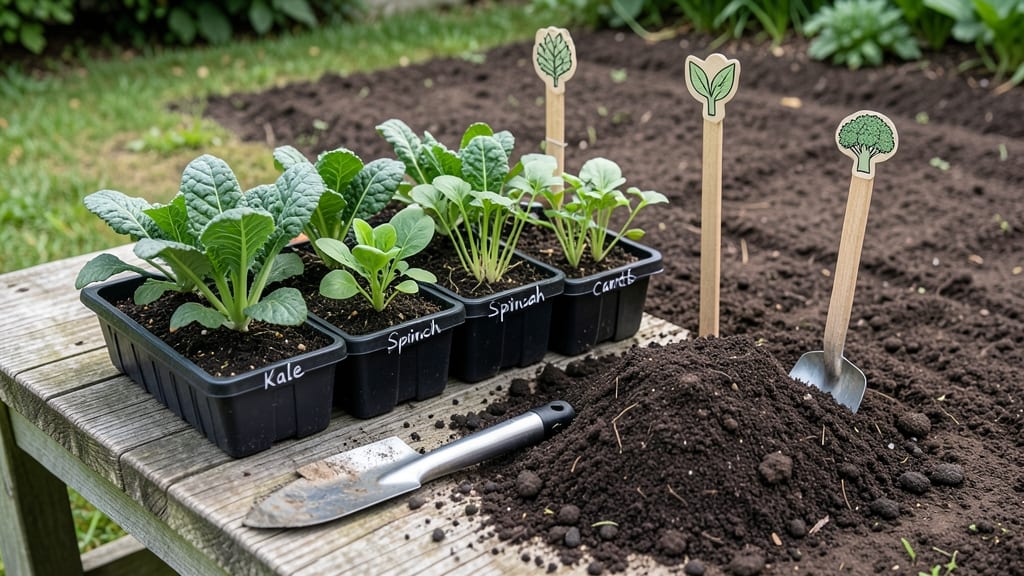
Planting a fall garden in Missouri isn't just about timing—it's about beating the clock before frost sets in for good.
Missouri's heat zones 6 and 7 mean you've got a narrow window to get cool-season crops in the ground, and one wrong move can turn your harvest dreams into a sad pile of wilted greens.
I've spent years watching Missouri gardens thrive (and fail) during fall planting, and the difference often comes down to knowing exactly when to start. Whether you're growing broccoli, kale, or spinach, the right timing can mean the difference between a bumper crop and a disappointing patch.
Let me show you how to work with Missouri's unpredictable weather instead of against it.
From soil preparation to variety selection, we'll cover everything you need to know to plant with confidence. You'll discover heat zone-specific deadlines, the best crops for extending your harvest, and how to protect your plants from late-season frost. No more guessing—just a clear, actionable timeline tailored for Missouri gardeners.
Ready to turn your fall garden into a success story? Let's get started with the critical dates and strategies that will keep your plants growing strong until winter takes over.
Missouri heat zones & exact planting dates for fall vegetables
Missouri spans USDA heat zones 6 and 7, where fall planting windows differ by just a few weeks. In zone 6 (northern MO), the first frost typically arrives by October 15, while zone 7 (southern MO) holds off until November 1.
To maximize your harvest, align planting with soil temperatures and frost predictions—cool-season crops thrive when soil stays above 40°F.
Start by checking your local frost dates (use the Missouri Climate Center for updates). For zone 6, aim to plant by August 15 for a full harvest before frost.
In zone 7, you’ve got until September 15 to sow. Direct-sow hardy greens like spinach and kale 4–6 weeks before your first frost for a winter harvest.
Soil temperature is critical—wait until soil cools below 80°F (use a soil thermometer) before planting.
In Missouri, this usually happens by late July to early August. Broccoli and cabbage need 60–70 days to mature, so time your planting to avoid bolting in heat. Carrots and beets, on the other hand, tolerate cooler soil and can go in earlier.
Here’s your Missouri heat zone comparison for fall planting, including exact dates for popular cool-season crops:
| Crop | Zone 6 (Northern MO) | Zone 7 (Southern MO) | Days to Maturity | Key Tip |
|---|---|---|---|---|
| Broccoli | August 1–15 | August 15–30 | 60–70 days | Plant in partial shade if heat persists. |
| Kale | August 15–September 1 | September 1–15 | 45–60 days | Sweetens after frost—harvest until winter! |
| Spinach | September 1–15 | September 15–October 1 | 30–45 days | Succession plant every 2 weeks for continuous harvest. |
| Carrots | July 15–August 15 | August 1–30 | 60–80 days | Loosen soil to prevent forking. |
| Lettuce | August 15–September 15 | September 1–October 1 | 30–50 days | Use row covers to protect from light frosts. |
| Garlic | October 1–15 | October 15–30 | 240 days (overwinters) | Plant cloves 4" apart for next year’s harvest. |
For zone 6 gardeners, prioritize fast-maturing varieties like ‘Early Snowball’ broccoli (58 days) or ‘Winterbor’ kale (50 days).
In zone 7, you can push the envelope with ‘Mammoth Melting’ sugar snap peas (60 days) or ‘Red Russian’ kale, which thrives in cooler temps. Always check seed packets for days-to-maturity and adjust planting dates accordingly.
Missouri’s fall humidity spikes create ideal conditions for fungal diseases like downy mildew. To prevent issues, space plants properly (follow seed packet guidelines) and water at soil level (not overhead). Mulch with straw to retain moisture and regulate soil temps—critical for root crops like beets and turnips.
Pro tip: Use frost-sensitive varieties like bush beans as a late-summer cover crop before transitioning to cool-season plants. Plant beans by July 15 in zone 6 and August 1 in zone 7 to harvest before the first frost, then clear the bed for fall crops.
This succession strategy maximizes your garden’s productivity.
If you’re unsure about your exact frost date, sign up for alerts from the National Weather Service’s Missouri office or use the Missouri Botanical Garden’s frost calendar. Local extension offices (like those at University of Missouri) also offer free soil temperature data—a game-changer for precise planting.
Remember: Missouri’s fall weather is unpredictable. Even if your neighbor in zone 6 gets frost by October 10, your microclimate might delay it until November. Plant a few extra seeds as insurance, and always have row covers ready to extend your harvest window.
With these dates and tips, your fall garden will be bount
Best fall garden vegetables for Missouri & how to extend their season
Missouri’s fall garden thrives with cold-hardy vegetables that love cooler temps. Think leafy greens, root crops, and brassicas—they’re your secret weapons for extending harvests well into winter.
The key? Succession planting and protective covers to beat early frosts. I’ll share my top 10 must-grow varieties and how to keep them producing long after summer’s over.
Start with broccoli and kale—these powerhouses handle 20°F temps with ease. Plant them by mid-August in Missouri’s heat zone 6, or late August in zone 7.
For a second harvest, try spinach and radishes in September—they mature fast and tolerate light frosts. Pro tip: Use row covers to push harvests into November!
Don’t overlook garlic and onions—they’re fall garden MVPs. Plant cloves in October for a summer harvest the next year. For onions, choose short-day varieties like ‘Texas Early White’ and set them out by September 15. These bulbs naturalize, meaning they’ll come back year after year!
To extend seasons, I swear by low tunnels and cold frames. A simple hoop house with plastic sheeting can add 4-6 weeks to your growing season.
For hardier crops like cabbage or collards, these setups let you harvest until Christmas. Just remember: Ventilate on warm days to avoid rot!
Missouri’s humidity and temperature swings demand extra care. Space plants closely (but not crowded) to improve air circulation and prevent disease. Mulch with straw to insulate roots and retain moisture. And always water deeply in the morning—this reduces fungal risks and keeps roots happy as temps drop.
Your fall garden can be a harvest goldmine if you time it right. Start with these 10 varieties, use protective covers, and don’t forget succession planting. With a little planning, you’ll be feasting on homegrown greens while your neighbors are shopping at the store! 🌱