
Plants
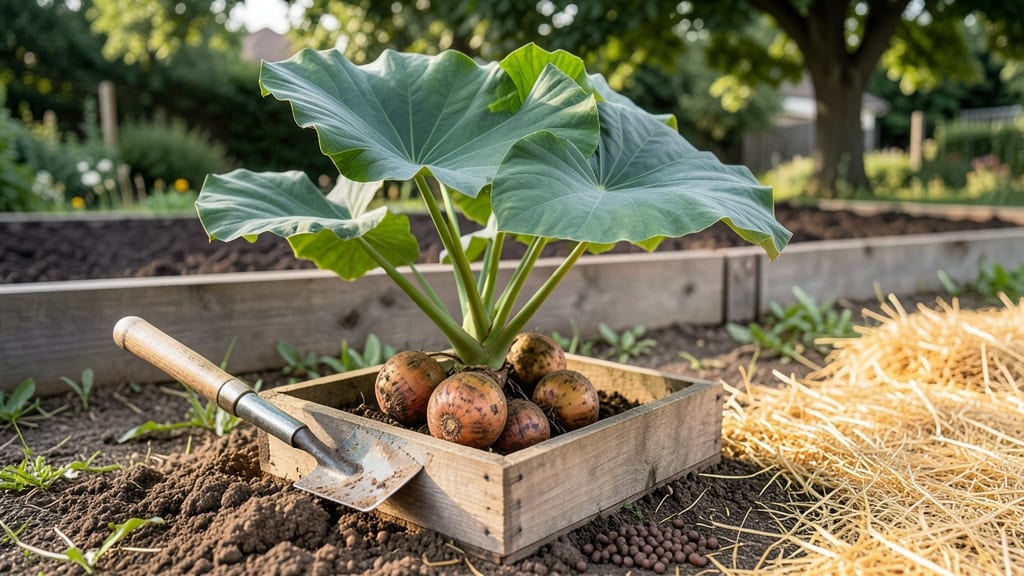
Planting elephant ear bulbs in Georgia at the wrong time can mean wilting leaves before they even take root—but getting the timing right guarantees those dramatic 🌿 foliage displays all summer long.
The key lies in waiting until after your last frost, typically mid-March, when soil temperatures hit at least 60°F.
This tropical-looking plant thrives in Georgia's 7b-8b zones, but rushing the process can leave your bulbs vulnerable to chilly nights. I've learned the hard way that patience pays off—those first 2-3 foot shoots emerge stronger when planted in March or early April.
Whether you're in Atlanta's urban heat islands or the cooler Piedmont region, understanding your microclimate makes all the difference. Let me walk you through the exact steps to prepare your soil and protect your investment from Georgia's unpredictable weather patterns.
From choosing the right varieties to knowing when to fertilize, I'll cover everything you need to transform your garden into a lush elephant ear paradise that survives—and thrives—through our long, hot summers.
Georgia’s heat zones explained: best planting months by region
Georgia’s diverse USDA Hardiness Zones 7b-8b mean your elephant ear planting window shifts depending on where you live. In Zone 7b (northwest Georgia), frost lingers until mid-April, while Zone 8b (southeast) sees last frosts by early March.
This timing difference can mean the difference between thriving tropical foliage and frost-killed tubers.
For Zone 7b gardeners, aim to plant elephant ear bulbs between late April and early May—after your average last frost date. In Zones 8a-8b, you can start as early as mid-March, giving plants a head start before summer’s brutal heat arrives.
The key? Plant when soil temperatures hit at least 60°F—this ensures roots establish before Georgia’s 90°F+ summer heat sets in.
Here’s how your region’s heat zone dictates planting:
| Zone | Last Frost Date | Ideal Planting Window | Soil Temp Goal | Key Risk |
|---|---|---|---|---|
| 7b (Northwest GA) | Mid-April | Late April–Early May | 60°F+ | Late frost |
| 8a (Central GA) | Early April | Early–Mid April | 60°F+ | Heat stress |
| 8b (Southeast GA) | Mid-March | Mid-March–April | 60°F+ | Humidity stress |
Pro tip: Use a soil thermometer to confirm 60°F+ soil temps before planting. In Zone 7b, this often means waiting until May 1—patience pays off with bold, frost-free foliage by summer. For Zone 8b, early March plantings can yield 6-foot-tall leaves by June if given proper care.
If you’re in transition zones (like Zone 7a/8a borders), err on the side of late planting. A June 1 planting in Zone 7b might still produce stunning summer growth, but you’ll miss the earliest blooms.
Balance frost risk with heat tolerance—your elephant ears will thank you.
One common mistake? Planting too early in Zone 8b and risking root rot from Georgia’s warm, wet springs. Amend your soil with compost and perlite to improve drainage—this is non-negotiable for tropical tubers in our humid climate. Aim for soil that’s moist but never soggy.
For container gardeners, the rules are slightly different. Potted elephant ears can handle earlier planting (as early as February in Zone 8b) because you can move them indoors if frost threatens. Just ensure pots have drainage holes and use lightweight potting mix to prevent overwatering.
Remember: Georgia’s summer heat is intense, but well-timed plantings ensure your elephant ears thrive. Once established, these drought-tolerant beauties can handle 90°F+ temps—but they need that critical early start to build strong roots before the heat arrives.
🌱
Critical pre-planting steps for elephant ear bulbs in Georgia’s climate
Georgia’s humidity and heat spikes demand extra prep work before planting elephant ear bulbs. Unlike cooler climates, our soil often stays too wet or compacted, which can rot those delicate tubers.
I always start by testing my soil’s drainage—if water pools after 6 hours, I know I need to amend it.
For well-draining soil, mix in 2-3 inches of organic matter like compost or coconut coir. This improves aeration while retaining moisture without waterlogging. In sandy soils (common in coastal areas), add peat moss to help hold water during our dry spells.
Here’s my step-by-step prep checklist before planting:
- Choose a spot with partial shade (4-6 hours of sun)
- Loosen soil to 12 inches deep with a fork
- Work in balanced fertilizer (10-10-10) at planting time
- Avoid fresh manure—it burns tender roots
Frost Protection Tip
Even after last frost, late-March nights can dip below 35°F in Georgia’s Zone 7b areas. Cover newly planted bulbs with frost cloth or mulch heavily until shoots emerge.
Urban gardeners in Atlanta’s heat islands face extra challenges. I’ve found that planting deeper than usual (3-4 inches) helps protect tubers from surface heat. For container growers, use black plastic pots to absorb and retain heat during our long summers.
One mistake I see often? Planting too early in Zone 8b (south Georgia). Wait until soil temps hit 65°F+—use a soil thermometer to check. Cold soil slows root growth, making plants vulnerable to southern blight, a fungal disease common here.
Finally, mark your planting spots with stakes—elephant ears spread quickly, and you’ll want to avoid disturbing roots when adding mulch later. A little planning now means zero stress during Georgia’s brutal summer months.