
Companion Plants
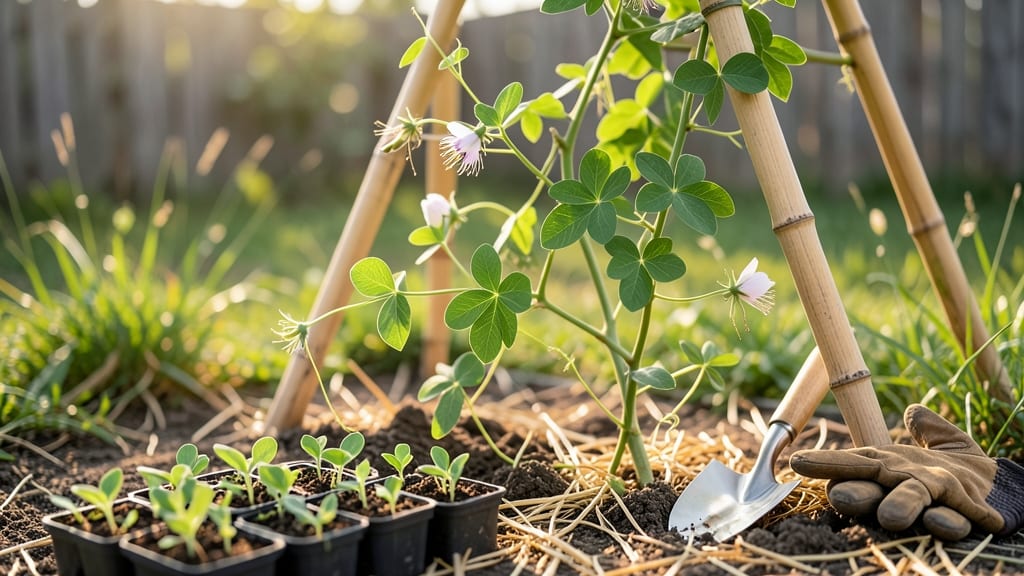
Planting Dixie Lee peas 🌱 at the wrong time in North Carolina’s 7b zone can mean the difference between a bountiful harvest and wasted effort.
Whether you're aiming for that first spring crop or a late-summer harvest, getting the timing right is the key to avoiding frost damage or stunted growth.
Most gardeners in NC know the general rule—March to April for spring planting and July to August for fall—but the exact dates depend on your microclimate. Too early, and a late frost could wipe out your tender seedlings; too late, and the heat might slow germination.
I’ll break down the precise windows so you can plant with confidence and avoid common pitfalls.
Beyond just dates, soil temperature and regional variations play a huge role. For example, gardeners in the Piedmont might need to adjust their schedule compared to those in the Coastal Plain.
I’ll share my tested strategies for preparing the soil, spacing your peas correctly, and ensuring they thrive once they’re in the ground.
Ready to grow Dixie Lee peas that produce abundant, flavorful pods? Let’s dive into the exact planting calendar, soil prep tips, and post-planting care that will set you up for success—no guesswork required.
Dixie Lee peas planting calendar for NC heat zone 7b: exact dates by month
North Carolina’s Heat Zone 7b offers two ideal windows for planting Dixie Lee peas: early spring and late summer. These southern peas thrive when soil temperatures hover around 60°F, making timing critical to avoid frost damage or heat stress.
Let’s break down the exact planting schedule tailored for your region.
For spring planting, aim for late March through early April when the last frost date (typically March 15) has passed.
This gives your peas 60-70 days to mature before summer heat sets in. Late summer planting should occur between mid-July and early August to ensure harvest before the first frost (mid-November).
Here’s a quick reference for your planting calendar:
| Season | Planting Window | Soil Temp Requirement | Harvest Window |
|---|---|---|---|
| Spring | Late March - Early April | 60°F+ | Late May - Early June |
| Spring (Late) | Mid-April | 60°F+ | Early July |
| Summer | Mid-July - Early August | 70°F+ | September - Early October |
If you’re in western NC (Asheville area), plant slightly later—around April 15 for spring—to account for cooler microclimates. Conversely, coastal regions (Wilmington) can start as early as March 1 due to milder winters. Always check your local frost dates and adjust accordingly.
For container gardening, follow the same timing but use larger pots (5+ gallons) to accommodate root growth. Dixie Lee peas need 18-inch rows in-ground, but containers work well for small spaces. Just ensure they receive 6-8 hours of sunlight daily.
Pro tip: Use black plastic mulch in early spring to warm the soil faster and extend your planting window by 1-2 weeks. This is especially helpful if your soil stays cold longer than average.
Remember, Dixie Lee peas are heat-tolerant but not drought-resistant. Plan your watering schedule to provide 1 inch of water per week during dry spells. Mulching around plants helps retain moisture and regulate soil temperature.
🌱
How to adjust Dixie Lee peas planting for NC’s unpredictable spring weather
North Carolina’s spring weather can be as unpredictable as a tornado warning—one day it’s sunny and warm, the next you’re scrambling to cover seedlings from a late frost. Dixie Lee peas, being cool-season crops, need consistent soil temperatures above 60°F to thrive.
If you plant too early, a 28°F frost can wipe out your seedlings in hours. I’ve learned the hard way that checking the 10-day forecast isn’t enough; you need a backup plan.
For gardeners in the Piedmont region (like Raleigh or Greensboro), aim to plant after March 15, but keep row covers ready. In the Coastal Plain (e.g., Wilmington or Fayetteville), you can push planting to late February since milder winters mean fewer frost risks.
The key is monitoring soil temperature, not air temperature—use a soil thermometer to confirm it’s consistently above 60°F before planting.
Here’s my foolproof strategy: Start seeds indoors 4-6 weeks before your target outdoor planting date (around mid-February for most of NC). This gives you a head start and lets you transplant hardened-off seedlings after the last frost.
If a late frost hits, cover seedlings with frost cloth or old blankets—even a 32°F night can be survivable with protection.
⚠️ Late Frost Warning
Never plant Dixie Lee peas before checking your local USDA frost dates. In NC’s Heat Zone 7b, the average last frost is March 15, but it can hit as late as April 1 in higher elevations like Asheville. Use the National Weather Service or Almanac.com for real-time updates.
Pro Tip: Plant a test row 2 weeks before your target date. If it survives, the rest of your crop will too.
Another trick I swear by is companion planting with radishes or lettuce. These fast-growing crops act as frost indicators—if they survive, your peas likely will too. Plus, they help loosen soil and deter pests like cutworms, which love young pea seedlings.
For extra insurance, mix compost into the soil before planting to improve drainage and warmth retention.
If you’re in a warmer microclimate (like the Research Triangle), you can even try a second spring planting in May for a late-summer harvest. Just be ready to provide shade cloth during 90°F+ days to prevent blossom drop.
I’ve had success with 30% shade cloth in July, which keeps soil temps ideal for pea growth.
Finally, don’t forget that soil moisture is just as critical as timing. After planting, water deeply every 3-5 days to encourage strong root growth.
Use a drip irrigation system or soaker hose to avoid wetting the foliage, which can lead to fungal diseases like powdery mildew—a common issue in NC’s humid summers.