
Plants
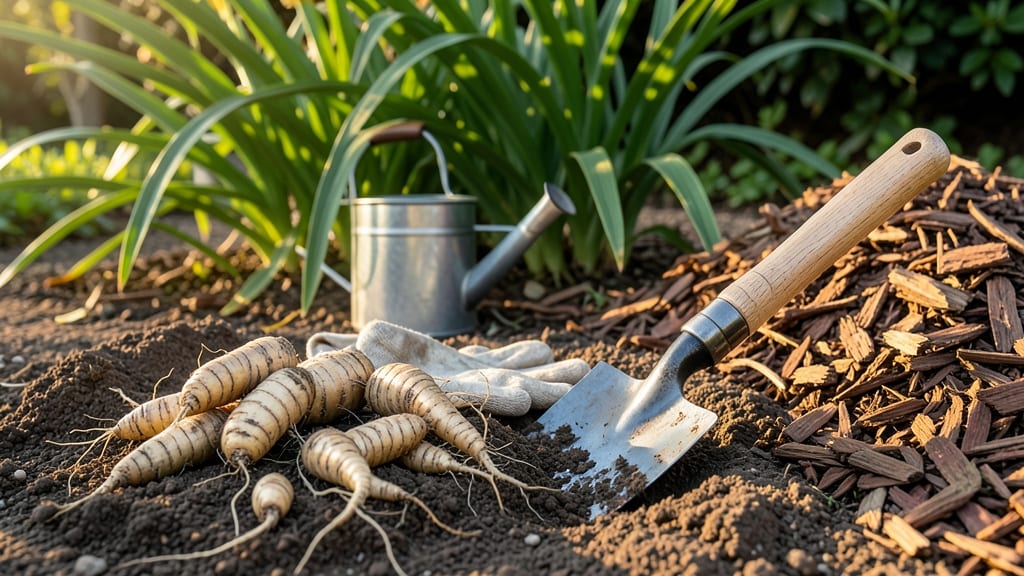
Planting daylily bulbs at the wrong time in Zone 9 can turn your vibrant 🌸 blooms into a frustrating gamble—especially when summer heat triggers early bolting. The key to lush, long-lasting daylilies lies in timing them perfectly, whether you're working with fall's mild weather or spring's warming trends.
Most gardeners in Zone 9 assume planting in early spring is foolproof, but that’s where the real risk lies. Without proper soil prep and strategic timing—like planting 6–8 weeks before your first frost—you might end up with weak roots struggling to handle Zone 9’s intense summer.
Let’s cut to the chase: the best windows are September through November or March through early April, when the ground is cool but not frozen.
Why does this matter? Because daylilies planted too early in spring can bolt prematurely, sending all their energy into flowers instead of root growth. And in Zone 9’s heat, that’s a one-way ticket to floppy stems and missed blooms.
I’ll show you exactly how to align your planting with the moon phases and soil temps to avoid this common pitfall.
Ready to skip the guesswork? You’ll leave here with a checklist of exact weeks to plant, soil prep tips tailored to Zone 9’s climate, and how to spot early bolting before it ruins your garden. Let’s get those daylilies thriving—without the trial and error.
Best planting weeks for daylily bulbs in Zone 9 to prevent bolting
Zone 9 gardeners know timing is everything—especially for daylily bulbs. Planting too early can trigger bolting (premature flowering), while waiting too long risks weak root establishment before summer heat.
The ideal window is a narrow 6–8 week period before your last frost date, which in Zone 9 typically falls around mid-January.
For most of Zone 9, the sweet spot is late September through October. This gives bulbs 8–10 weeks to establish roots before summer’s intense heat arrives. If you miss this window, your next best chance is early spring, specifically March, before soil temperatures rise above 60°F.
Why these exact weeks? Daylilies need cool soil temperatures (50–60°F) for root growth. Planting in Zone 9’s fall heat (August or early September) can shock bulbs, while spring planting after March 15 risks bolting as temperatures climb. The goal is to avoid summer stress while maximizing root development.
🌱
Pro tip: Check your local microclimate. Coastal Zone 9 areas (like San Diego) can plant 2–3 weeks later than inland zones (like Phoenix) due to milder winters. Use a soil thermometer to confirm temps are below 60°F before planting.
If you’re planting in spring, aim for March 1–15 to avoid the April heat rush. Daylilies planted after March 20 often bolt prematurely, redirecting energy to flowers instead of roots.
For container gardening, follow the same rules but use well-draining potting mix to prevent rot in Zone 9’s humidity.
Moon phases matter too! Plant during the waxing gibbous or full moon to boost root growth. Avoid planting during a new moon, as this phase can stress young bulbs. Pair planting with a light mulch (1–2 inches of straw) to retain moisture and regulate soil temps.
For bare-root daylilies, soak roots for 2–4 hours before planting to rehydrate. If buying potted daylilies, plant as soon as possible after purchase to minimize transplant shock. Both types should be planted with the crown visible above soil—burying it too deep causes rot.
✅
Remember: Zone 9’s long growing season means daylilies can bloom year-round if planted correctly. By following these exact weeks, you’ll ensure strong roots, vibrant blooms, and minimal bolting. Skip the guesswork—mark your calendar for late September or early March and watch your daylilies thrive!
Best planting weeks for daylily bulbs in Zone 9 to prevent bolting
Zone 9 gardeners enjoy long growing seasons, but daylily bulbs need precise timing to avoid premature bolting—when plants flower too early and weaken. The ideal windows are fall (September–November) and early spring (March–April), aligning with soil temps between 60°F–70°F for root establishment.
Fall planting gives bulbs 6–8 weeks to root before summer heat stress. Spring planting must happen before March 15 to avoid bolting triggered by warm soil and 12+ hours of daylight.
Miss these windows, and you risk wasted investments—daylilies can bolt in as little as 4 weeks under stress.
| Planting Window | Soil Temp | Moon Phase | Root Establishment |
|---|---|---|---|
| Late September–October | 60°F–70°F | Waxing gibbous | 6–8 weeks before summer |
| March 1–15 | 55°F–65°F | Waning crescent | 4–6 weeks before bolting risk |
| Avoid May–August | >75°F | N/A | High bolting risk |
Zone 9’s mild winters mean bulbs can handle fall planting later than northern zones. Aim for 6–8 weeks before summer solstice (June 21) to let roots establish before 100°F+ soil temps. Pro tip: Use a soil thermometer—plant when temps drop below 70°F at 4-inch depth.
Spring planting in Zone 9 requires early action. By March 15, daylength exceeds 12 hours, triggering bolting. Plant bare-root bulbs in cool, damp soil (like after winter rains) to delay flowering. Mulch with 3 inches of straw to maintain moisture and cool roots.
Missed the ideal windows? Don’t panic. August planting is a last-resort option—water deeply every 3–4 days and provide 50% shade with shade cloth to reduce stress. These bulbs may bolt earlier but can still thrive with consistent care.
For maximum blooms, align planting with the waxing gibbous moon (right after full moon) to boost root growth. Check a moon phase calendar for Zone 9’s optimal dates—this old gardener’s trick works surprisingly well in modern trials.