
Plants
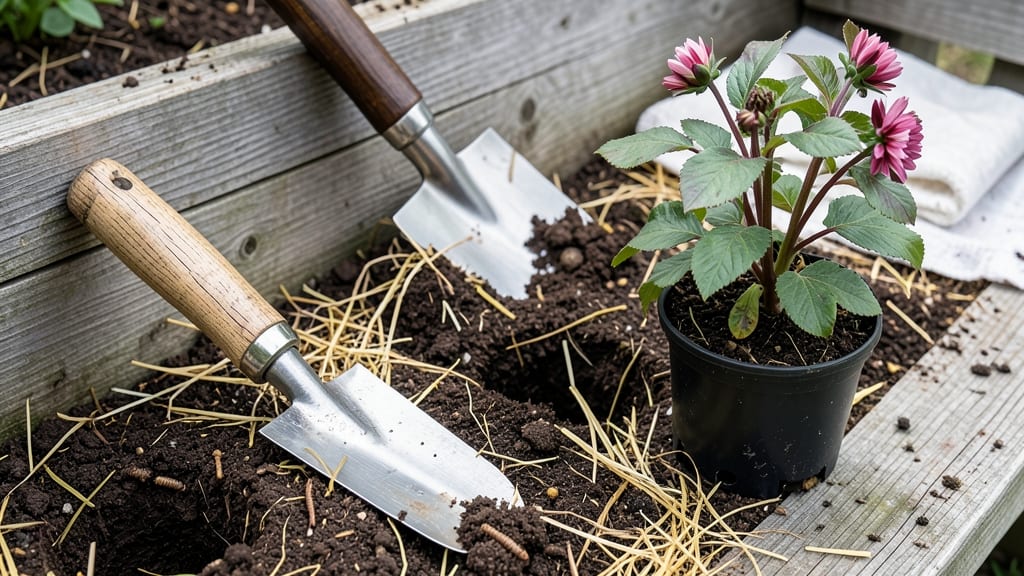
Timing your dahlia planting in Georgia can mean the difference between a showstopping fall garden and a sad, wilted disappointment. The right window—after the last frost but before the heat peaks—is everything, especially in zones 7b-8b where summer arrives fast and frost lingers later than you’d expect.
Most gardeners in Georgia wait until April or early May to plant dahlia tubers, but that’s just the starting point. The key is watching for soil temperatures to hit 60°F and ensuring you have at least 120 frost-free days ahead.
Skip this step, and your dahlias might struggle to establish roots before the heat sets in—or worse, bolt too early and miss their prime blooming window.
I’ve learned the hard way that rushing dahlia planting can backfire, especially with Georgia’s unpredictable spring weather. Whether you’re in Atlanta’s humid climate or the cooler foothills, the goal is to get those tubers in the ground 4-6 weeks after your last frost date—typically by mid-April for most regions.
That gives your dahlias enough time to grow strong stems and vibrant 🌸 blooms before the first frost hits in November.
Once you’ve nailed the timing, the real secret is post-planting care: mulching to retain moisture, watering deeply in the mornings, and feeding with a balanced fertilizer every 4-6 weeks.
Follow these steps, and you’ll be rewarded with dahlias that thrive all summer long, turning your garden into a late-season masterpiece.
Georgia heat Zone planting deadlines for dahlias by region
Georgia’s USDA zones 7b-8b create a tight window for planting dahlia tubers—too early, and frost zaps tender roots; too late, and blooms arrive after first frost. The key? Planting 4-6 weeks after your last frost date, when soil hits 60°F and stays warm.
For most of Georgia, this means mid-April to early May, but mountainous regions like Blue Ridge may wait until late May.
Your local frost dates dictate everything. In Atlanta (Zone 7b), the last frost typically falls around March 15, leaving you a 6-week buffer to plant by April 30.
Meanwhile, Savannah (Zone 8a) can start as early as mid-March, while northern Georgia’s higher elevations might delay planting until mid-May to avoid late-spring cold snaps.
Here’s the critical timeline for Georgia’s three main regions, ensuring your dahlias bloom before first frost (mid-November):
Pro tip: Use Georgia’s frost-free days (about 210 days) to calculate your bloom window. Dahlias need 90–120 days to mature, so plant 90 days before your first frost to guarantee peak fall color.
For example, if frost hits November 15, plant by August 15—but that’s cutting it close! Aim for mid-April to early May for a 3-month bloom bonanza.
Don’t overlook soil temperature. Test it with a soil thermometer—dahlias won’t thrive below 60°F. In clay-heavy Georgia soil, add compost or sand to improve drainage and prevent root rot, a silent killer of dahlias.
Amend your beds 2–3 weeks before planting to give the soil time to warm and stabilize.
For early bloomers, consider container gardening. Pots warm faster in spring, letting you plant 2–3 weeks earlier than in-ground. Just ensure containers have drainage holes and use lightweight potting mix to avoid soggy roots. This trick extends your bloom season by 2–4 weeks in cooler microclimates.
If you’re starting dahlias from cuttings (a favorite method for gardeners with limited tubers), begin indoors 8–10 weeks before your last frostrooting hormone and keep cuttings in bright, indirect light until roots form.
Transplant outdoors after all danger of frost—this gives you hardier plants that bounce back from Georgia’s humidity and heat stress.
Watch for false starts: A light frost in April (common in Zone 7b) can fool you into planting too soon. Check your local Cooperative Extension Service for updated frost dateswait until May for a foolproof bloom schedule.
Once planted, mulch heavily with straw or pine needles to retain moisture and regulate soil temperature.
Dahlias in Georgia’s humid climate need consistent moisture but hate soggy feet—aim for 1–2 inches of water per week, delivered at the base of the plant in the morning to prevent fungal diseases like powdery mildew, which thrives in Georgia’s summer heat.
Timing isn’t just about frost—it’s about heat tolerance. Dahlias planted in late May may struggle with July’s 90°F+ temps, leading to wilting or bolting.
Choose heat-tolerant varieties like ‘Bishop’ or ‘Thomas Edison’ if you must plant later, or opt for shade cloth during peak afternoon sun to protect young plants.
How to adjust dahlia planting for Georgia’s humidity and soil conditions
Georgia’s sticky humidity and clay-heavy soil can turn dahlia planting into a high-stakes game of root rot roulette. The key to success? Prepping tubers properly and creating the right growing conditions to mimic their native cool, well-draining environments.
Start by soaking tuber clusters in lukewarm water for 4–6 hours before planting—this kickstarts root growth and helps them recover from dormancy stress caused by Georgia’s warm winters.
Once soaked, trim damaged or mushy sections with a sterilized knife, then let tubers dry for 24 hours to prevent fungal infections. Plant them 2–4 inches deep, with the eyes (growth nodes) facing upward, in amended soil that’s at least 30% compost or peat moss.
This improves drainage and prevents the waterlogged conditions that lead to blackened stems and moldy tubers—a common issue in Georgia’s summer downpours.
If your garden soil is clay-heavy (common in Zone 7b-8b), dahlias will suffocate. Test your soil—if it forms a hard brick when dry, you must amend.
Mix in sand, perlite, or coconut coir to create loamy, crumbly soil that drains but retains moisture. Skip this step, and your tubers will rot before sprouting.
After planting, mulch aggressively with pine straw or shredded leaves to lock in moisture and insulate roots from Georgia’s sweltering afternoons. Aim for a 3-inch layer, but keep it 6 inches away from stems to avoid stem rot.
In containers, use a well-draining potting mix with vermiculite and water only when the top inch is dry—overwatering is the #1 killer of container-grown dahlias in humid climates.
Georgia’s summer heat (often 90°F+) can cause dahlias to bolt prematurely or wilt under the sun.
To combat this, provide afternoon shade with 30–50% shade cloth during June–August, or plant in partial shade locations like the east side of your house. Dwarf varieties like ‘Mignon’ series handle heat better than tall garden types, making them ideal for southern Georgia’s intense summers.
Fertilizing in humid conditions requires caution—too much nitrogen leads to leafy growth at the expense of blooms, while over-fertilizing can burn roots in Georgia’s hot soil. Use a balanced 5-10-10 fertilizer every 4–6 weeks, but reduce by half in July and August to prevent heat stress.
Instead, focus on deep watering in the morning to encourage strong root systems that can withstand Georgia’s erratic rainfall.
Finally, watch for pests like slugs and earwigs, which thrive in Georgia’s moist, shaded gardens. Handpick them at dusk or set up beer traps near dahlia beds.
For fungal diseases like powdery mildew, spray plants with a baking soda solution (1 tsp baking soda + 1 quart water + a drop of dish soap) every 2 weeks as a preventative measure.
With these adjustments, your dahlias will thrive in Georgia’s challenging climate, producing bold, healthy blooms from July through October. The secret? Prep your soil, manage moisture, and protect them from heat stress—then sit back and enjoy the showstopping 🌸 displays that make Georgia gardens famous.