
Companion Plants
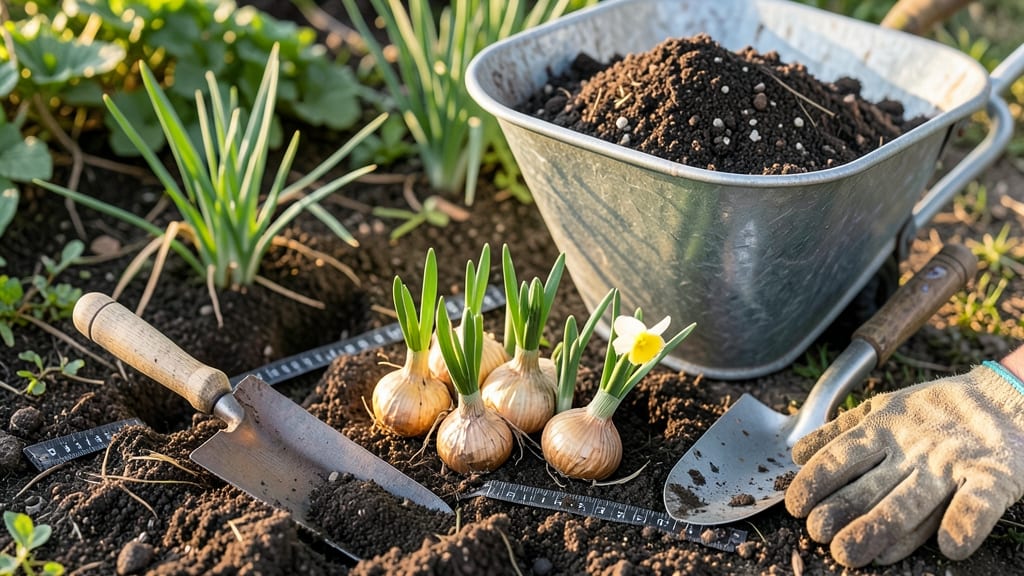
Planting daffodil bulbs at the wrong time in Indiana can mean the difference between a stunning spring display and wasted money. The key is getting them in the ground 4-6 weeks before the first frost—typically between late October and early November—so they establish roots before winter sets in.
I’ve learned the hard way that rushing or delaying can leave your bulbs vulnerable to rot or frost damage. Indiana’s USDA Zone 6a climate demands precision, and understanding soil temperatures and frost dates is everything. Let me walk you through the exact window and steps to ensure your daffodils thrive.
You’ll discover how to prepare your soil, determine the perfect depth, and even adjust for Indiana’s unpredictable fall weather. Whether you’re a beginner or a seasoned gardener, these tips will help you plant with confidence and enjoy vibrant 🌼 blooms next spring.
From choosing the right varieties to protecting your investment against early frosts, this guide covers all the essentials. Let’s make sure your daffodils get the perfect start—and your garden gets the showstopper it deserves.
Indiana’s exact planting window for daffodil bulbs (by zone)
Indiana’s USDA Zones 5-6 create a tight window for planting daffodil bulbs—miss it, and you risk rot or frost damage. The goal is to plant 4-6 weeks before the ground freezes, typically between mid-October and mid-November.
This timing ensures roots establish before winter while avoiding soggy soil that can cause bulb rot.
Northern Indiana (Zone 5) has the earliest frost dates, often late October to early November, so aim for planting by mid-October. Southern Indiana (Zone 6) can wait until early November, but don’t delay past mid-November—bulbs need time to root before freezing temperatures arrive.
Soil temperature is your best guide: plant when it drops to 50-60°F (10-15°C). Use a soil thermometer to check—cool soil prevents rot while allowing roots to grow. In Indiana, this usually aligns with late October for most regions.
| Zone | Ideal Planting Month | Soil Temp Threshold | Frost Risk |
|---|---|---|---|
| Zone 5 (Northern IN) | Mid-October | 50-60°F (10-15°C) | High after Nov 1 |
| Zone 6 (Southern IN) | Early November | 50-60°F (10-15°C) | Moderate after Nov 15 |
| Both Zones | Last Chance: Early Dec | 40°F (4°C) max | Very High |
For late plantings in December, choose smaller bulbs (like Tête-à-Tête daffodils) that establish faster. These can handle colder soil but still need 4-6 weeks before freezing. If December arrives and you haven’t planted, wait until spring (March)—just know blooms may be delayed by 2-3 weeks.
Indiana’s unpredictable fall weather can throw off timing. If early frosts arrive in late September, plant shallowly (3-4 inches deep) and cover with straw mulch to insulate bulbs. Conversely, if soil stays warm past November, delay planting until soil temps drop below 60°F to prevent rot.
Use local frost dates as your backup plan. Check the Indiana State Climate Office for your county’s average first frost—then plant 4-6 weeks before. In most of Indiana, this lands in late October, but rural areas may need adjustments.
Pro tip: Layer bulbs in containers or garden beds for extended blooms. Plant early-season varieties (like ‘Ice Follies’) first, then add mid-to-late bloomers (like ‘Tête-à-Tête’) 2-3 weeks later. This creates a 3-4 week bloom window in spring.
After planting, water deeply once to settle soil around bulbs. Avoid overwatering—drainage is critical to prevent rot. In wet Indiana falls, raise beds or plant on slopes to improve drainage.
Mark your calendar for next year’s planting using Indiana’s average frost dates: Northern IN (Oct 25-Nov 5), Southern IN (Nov 1-15). Aim for the first half of October to guarantee vibrant spring blooms with minimal fuss.
How to adjust planting for Indiana’s unpredictable fall weather
Indiana’s fall weather can be as unpredictable as a toddler’s mood—one day sunny and warm, the next a surprise frost. If you’ve ever planted daffodil bulbs only to wake up to a 32°F morning, you know the stakes.
The key is flexibility: knowing how to adapt when Mother Nature throws curveballs like early frosts, soggy soil, or sudden temperature swings.
First, always check your local frost forecast 2-3 days before planting. The National Weather Service’s Indiana frost maps are your best friend here. If frost is predicted within 48 hours of your planned planting, delay until conditions stabilize.
Remember, bulbs need 4-6 weeks to root before winter hits—so if frost sneaks up early, you might need to plant earlier than usual.
🌡️ Frost Alert!
If frost hits before bulbs root, they’ll rot. Wait until soil temps drop below 60°F but above freezing—typically late October to early November in Indiana.
🔹 Soil thermometer = $10 lifesaver. No thermometer? Stick your finger in—if it’s cold but not frozen, it’s safe to plant.
❄️ Pro Tip: If frost is imminent, cover planted bulbs with straw mulch (3-4 inches) to insulate them.
Next, tackle wet soil, which is daffodil bulbs’ worst enemy. If your garden is soggy after rain, hold off planting until the ground drains. Compacted or waterlogged soil cuts off oxygen, causing bulbs to rot before they even sprout.
To test, press your foot into the soil—if it squishes like pudding, wait a few days.
For late starters, don’t panic! You can plant daffodil bulbs as late as early December in Indiana, but prioritize southern exposures where soil stays warmer longer. If you’re planting near December 1st, choose early-blooming varieties like ‘Tête-à-Tête’ or ‘Ice Follies’—they’ll push through snow for earlier spring color.
Finally, mulch isn’t just for winter—it’s your fall planting insurance. After planting, top the soil with 2-3 inches of shredded leaves or straw. This protects bulbs from temperature swings, retains moisture, and deters voles (those pesky bulb-munching rodents).
Just avoid piling mulch directly against bulb necks—keep it 1-2 inches away to prevent rot.
With these adjustments, you’ll beat Indiana’s fall chaos and wake up to a sea of daffodils next spring—no matter what the weather threw at you. Happy planting! 🌱