
Plants
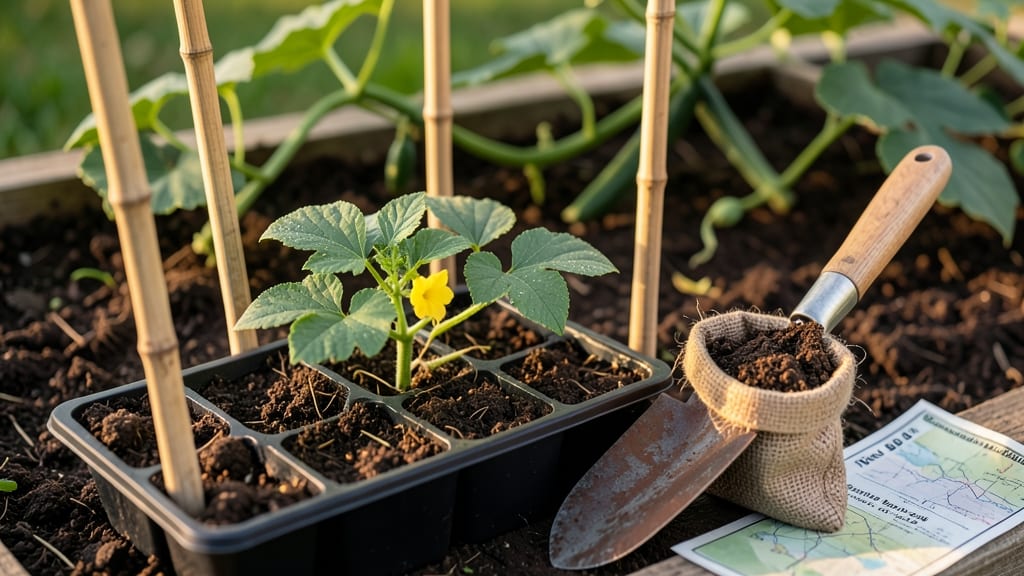
Planting cucumbers at the wrong time in Zone 8b can turn your garden dreams into a bitter disappointment—literally. That crisp, sweet 🥒 you crave might never appear if you miss the sweet spot between February-March and July-August windows.
Here’s the deal: cucumbers are heat-lovers, but they hate being rushed. Too early, and they’ll bolt before producing; too late, and summer’s swelter can stress them out. I’ve learned the hard way that soil temperature is the real game-changer—wait until it hits 60°F before planting.
But timing isn’t just about the calendar. Coastal areas in 8b might have a slightly later start than inland spots, and your local microclimate plays a role too. Let me break down how to nail your planting schedule for a harvest that keeps coming—no guesswork, just results.
Whether you’re a first-timer or a seasoned gardener, these tips will help you avoid the most common mistakes that turn cucumber plants into sad, unproductive vines. Ready to grow like a pro?
Optimal planting windows for cucumbers in Zone 8b to avoid bolting
In Zone 8b, cucumbers thrive when planted during two key windows: early spring (after last frost) and late summer (for fall harvests). Timing is critical—plant too early, and cold soil triggers bolting (premature flowering).
Plant too late, and summer heat stresses young plants. Let’s break down the perfect schedule to maximize your harvest.
For spring plantings, aim for February to early March—once soil temperatures consistently reach 60°F (15°C). Use a soil thermometer to confirm.
Inland areas of Zone 8b (like San Antonio) may need to wait until mid-March, while coastal regions (like San Diego) can start earlier due to milder winters. Black plastic mulch speeds up soil warming by 5-10°F, giving you a head start.
Why timing matters: Cucumbers bolt when stressed by cold or heat. Spring plantings avoid bolting by aligning with warm soil and moderate air temperatures (70-85°F). Summer plantings (July-August) must account for heat tolerance—some varieties (like 'Straight Eight') handle 90°F+ better than others.
Your Zone 8b frost-free window spans roughly March 15 to November 15, but cucumbers need 70-90 days to mature. Spring plantings yield harvests from May to June, while summer plantings extend your season into September or October.
Miss these windows, and you risk bitter fruit or stunted growth.
🌱
If you’re in a coastal Zone 8b (like Los Angeles), you can push spring plantings to January thanks to milder winters. Inland areas (like Phoenix) should wait until mid-March to avoid soil-borne diseases from lingering winter moisture.
Always check your local last frost date—even Zone 8b has microclimates!
For fall harvests, plant July to early August for cucumbers to mature before first frost (November 15). Use shade cloth (30-50%) if daytime temps exceed 95°F to prevent sunscald on fruits. Varieties like 'Marketmore 76' handle heat better than 'Lemon Cucumber', which bolts easily.
Pro tip: Succession plant every 2 weeks in spring/summer to stagger harvests. For example, plant 50% of seeds in March and the rest in late April to ensure a continuous supply. This works especially well for bush varieties, which mature faster than vining types.
🌿
How to adjust your planting schedule for longer harvests in hot climates
Zone 8b’s long, hot summers can stress cucumbers if you don’t plan ahead. The key to longer harvests is adjusting your planting schedule to avoid heat stress and bolting.
Instead of one big planting, try succession planting—spread out your seeds every 2-3 weeks from late spring through early summer. This ensures a steady supply of fresh cucumbers without overwhelming your plants.
For extended harvests, choose heat-tolerant varieties like 'Straight Eight' or 'Marketmore', which thrive in temperatures up to 95°F (35°C). These varieties also resist bitterness and cracking, common issues in hot climates. Pair them with drip irrigation to keep roots cool and soil moisture consistent.
🌱
- Succession Planting
If you’re dealing with intense summer heat, consider a second planting in late July. This gives cucumbers a head start before temperatures drop in fall. Use black plastic mulch to warm the soil faster and row covers to protect young plants from sudden heat spikes.
Just remove covers once vines start climbing to avoid overheating.
For coastal Zone 8b areas, where humidity is higher, focus on airflow. Space plants 3-4 feet apart and prune lower leaves to improve circulation.
This reduces powdery mildew, a common issue in humid climates. Pair with fungicide sprays (like neem oil) for extra protection during peak growing months.
Finally, don’t forget about fall planting! In Zone 8b, you can often squeeze in a late-summer crop by sowing seeds in early August. Use fast-maturing varieties (like 'Bush Champion') and harvest before the first frost.
With these adjustments, you’ll enjoy cucumbers from spring through fall without the stress of bolting or heat damage.
☀️