
Companion Plants
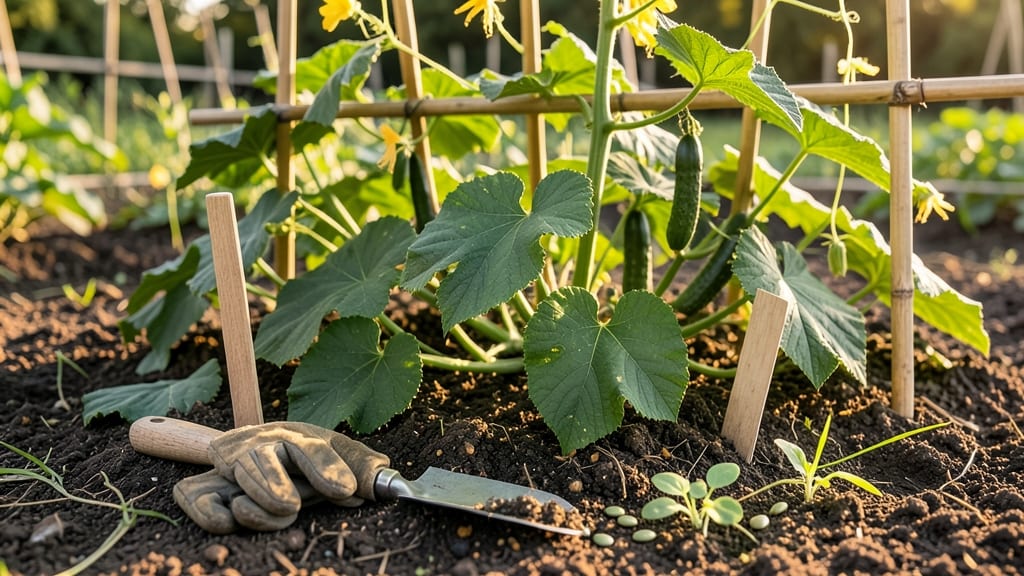
Planting cucumber seeds at the wrong time in North Carolina can turn your garden into a sad, bolted mess—one week too early and you’ll be fighting heat stress, while waiting too long means missing the sweet harvest window entirely.
I’ve learned the hard way that timing is everything for 🥒 cucumbers in NC’s 6b-8a zones, where last frost dates vary wildly from the Piedmont to the mountains.
The key? Starting seeds indoors by mid-April or waiting until soil warms to 60°F before direct sowing—usually around mid-May for most regions.
But here’s the twist: if you’re aiming for a fall harvest, late July is your second chance to plant. I’ll break down the exact windows, soil prep secrets, and how to adjust for NC’s unpredictable heat waves so you can avoid bitter cucumbers and maximize your yield.
Ready to turn your garden into a prolific cucumber patch? Let’s dive into the perfect planting schedule that actually works for NC’s climate—no guesswork included.
NC cucumber planting calendar: exact months to start seeds indoors and outdoors
North Carolina’s diverse climate—from the humid Coastal Plain to the cooler Mountain regions—means your cucumber planting timeline should vary by location. Miss the ideal window, and you’ll face bitter-tasting cucumbers or plants that bolt too quickly.
But get it right, and you’ll enjoy sweet, crisp harvests from June through October.
Cucumbers thrive in warm soil (60°F+) and consistent heat. In NC, this means waiting until after the last frost date, which shifts from mid-April in the Coastal Plain to early May in the Piedmont and late May in the Mountains.
For a fall harvest, aim for late July plantings—but don’t wait too late, or frost will cut your season short.
Key rule: Plant cucumbers when soil temps hit 60°F and nighttime temps stay above 55°F. Use a soil thermometer to check—cold soil slows germination and invites rot. If your spring is slow to warm, opt for black plastic mulch to speed up soil heating by 5-10°F.
Here’s your NC-specific planting calendar, broken down by region and task:
| Region | Last Frost Date | Indoor Seed Start | Outdoor Planting Window | Fall Planting Deadline |
|---|---|---|---|---|
| Coastal Plain (e.g., Wilmington) | Mid-March | Late March | Mid-April to early May | Late July |
| Piedmont (e.g., Raleigh, Charlotte) | Mid-April | Early April | Early May to early June | Early August |
| Mountains (e.g., Asheville, Boone) | Late May | Early May | Early June to mid-July | Late July |
*Adjust dates 1-2 weeks earlier for microclimates (e.g., urban heat islands) or later for high-elevation gardens.
For indoor starts, cucumbers germinate best at 70-90°F and take 5-10 days to sprout. Use biodegradable pots to avoid root disturbance when transplanting. Harden off seedlings for 7-10 days before moving them outdoors—this toughens them up for NC’s humid summers and sudden heat waves.
If you’re direct-sowing seeds (no indoor start), wait until soil is at least 60°F and nighttime temps stay above 55°F.
Plant seeds 1 inch deep and 2-3 inches apart, thinning to 12-24 inches apart for vining types or 6-12 inches for bush varieties. Mulch heavily to retain moisture and suppress weeds—NC’s summer heat can dry out soil quickly.
Pro tip: Succession plant every 2 weeks from May through July to stagger harvests. This ensures you’re always picking fresh cucumbers instead of dealing with overripe ones.
For fall harvests, plant heat-tolerant varieties like ‘Straight Eight’ or ‘Marketmore’ in late July and use row covers to extend the season by 2-3 weeks.
Watch for heat stress signs like yellowing leaves or premature flowering—both mean your cucumbers are bolting. If temps hit 90°F+, provide afternoon shade with floating row covers or shade cloth to protect plants.
In the Mountains, late summer frosts can also threaten fall plantings, so have row covers ready by mid-September.
For Raleigh gardeners, aim for May 1-15 for outdoor planting and late July for fall. In Charlotte, you can push it to early June for spring, while Asheville gardeners should wait until mid-June to avoid late frosts.
Always check NC State Extension’s frost maps for real-time updates—climate change is shifting frost dates in NC.
🌱
How to adjust planting dates for NC’s microclimates and heat waves
North Carolina’s diverse microclimates mean your Raleigh garden might thrive with earlier planting than Asheville’s cooler slopes. Use these adjustments to match your local conditions and avoid heat stress that causes bitter cucumbers or premature bolting.
For Coastal NC (e.g., Wilmington), start seeds indoors by March 1—warmer soils allow outdoor planting by April 1. In Piedmont (Raleigh/Charlotte), wait until April 15 for soil temps above 60°F. Mountain regions (Asheville) should delay until May 1 to avoid late frosts.
🌱 Pro Tip: Check your local frost dates via the NC State Extension or Almanac’s Frost Calculator. Even a 5°F swing can ruin young seedlings.
⚠️ Heat Wave Warning
If temperatures exceed 90°F during flowering, cucumbers may abort pollination, leading to poor fruit set. Use shade cloth (30-50%) or row covers to protect plants until they establish roots.
For late summer plantings (August), choose heat-tolerant varieties like 'Southern Sweet 100' or 'Straight Eight', which handle NC’s humidity better than delicate heirlooms.
Extend your harvest with succession planting: Sow new seeds every 2 weeks from April to June for a continuous supply. In fall, plant heat-resistant varieties by July 15 to harvest before first frost (typically October 15 in Piedmont).
Monitor your garden’s microclimate—a south-facing wall or black plastic mulch can add 5-10°F warmth, letting you plant 2 weeks earlier. Conversely, shady spots may need delayed planting to avoid leggy, weak plants.
💡 Local Tip: Charlotte gardeners often use drip irrigation to maintain consistent moisture during summer heat waves, preventing bolting. Pair this with mulch to keep roots cool.