
Plants
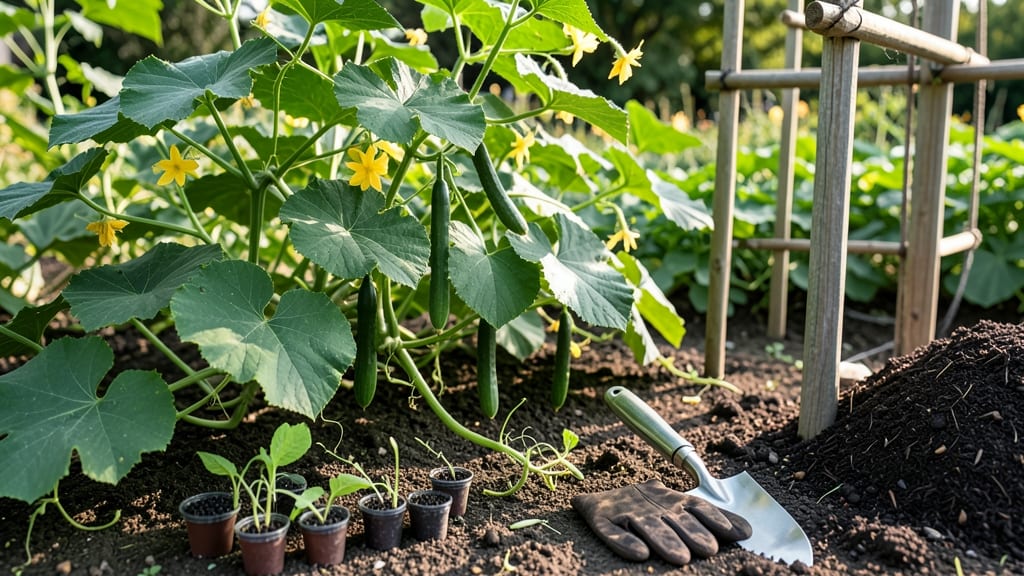
Planting cucumber seeds 🥒 at the wrong time in Missouri can mean the difference between a bountiful harvest and wasted effort. The key to success lies in understanding your local frost dates and soil temperatures—because cucumbers refuse to grow when the ground is still chilly.
For Missouri gardeners in zones 5b-6b, the ideal window runs from mid-April through early June, but your exact timing depends on where you live. Too early, and a late frost will kill tender seedlings; too late, and summer heat may stress your plants before they produce.
I’ll break down the precise planting schedule for your county’s heat zone so you never guess again.
You’ll also discover whether to start seeds indoors or sow directly outdoors, plus the best cucumber varieties for Missouri’s climate. These tips will help you avoid common mistakes and maximize your harvest from June through September.
Ready to grow cucumbers that thrive? Let’s get started with the exact planting timeline tailored to your Missouri location.
Missouri county heat zones: when to plant cucumber seeds by last frost dates
Missouri spans USDA hardiness zones 5b through 7a, meaning last frost dates vary dramatically from early April in southern counties to late May in northern regions. For cucumber seeds, this translates to a 6-week planting window—but timing directly impacts your harvest.
Northern Missouri gardeners (like those in St. Louis County) can start as early as April 10, while northern regions (e.g., Clay County) should wait until May 15.
Cucumbers thrive when soil temperatures hit at least 60°F—a threshold often reached 2-4 weeks after last frost. Using a soil thermometer is key; if your soil is cooler, consider black plastic mulch to accelerate warming.
In Missouri’s humid climate, direct sowing seeds (rather than transplants) is preferred to avoid transplant shock.
Here’s how to match your county’s frost date to cucumber planting:
| Region | Avg. Last Frost | Soil Temp. Ready | Seed Planting Window | Transplant Window |
|---|---|---|---|---|
| Southern MO (e.g., Cape Girardeau) | March 25 - April 5 | April 10 - April 15 | April 15 - May 1 | April 20 - May 5 |
| Central MO (e.g., Columbia) | April 1 - April 15 | April 15 - April 25 | April 25 - May 10 | May 1 - May 15 |
| Northern MO (e.g., Kansas City) | April 15 - April 25 | May 1 - May 10 | May 10 - May 25 | May 15 - June 1 |
| Northeast MO (e.g., St. Louis) | April 10 - April 20 | April 20 - May 1 | May 1 - May 15 | May 5 - May 20 |
🌱 Note: Adjust dates 1-2 weeks earlier for microclimates (e.g., south-facing slopes) or later for frost-prone valleys.
For extended harvests, Missouri gardeners can use succession planting: sow new seeds every 2 weeks until June 15. This works especially well for bush varieties, which mature faster (50 days) than vining types (60+ days).
Always pair planting with row covers if late frosts threaten, as cucumbers are highly frost-sensitive.
Missouri’s humid summers also demand early planting to avoid powdery mildew, a fungal disease that thrives in hot, damp conditions. Starting seeds indoors 4-6 weeks before last frost can give you a 2-week head start on the season. Use biodegradable pots to transplant seedlings without disturbing roots.
Pro tip: Mark your calendar for Missouri’s average first frost dates (October 10–20) to plan your final harvest. Cucumbers planted after July 15 may not fully mature before cold snaps, so prioritize early varieties for late-season plantings. Always harvest before frost—even partially ripe cucumbers can be used for pickling!
If you’re unsure about your county’s frost dates, check the Missouri Climate Center’s interactive map or ask your local extension office. Their data is updated annually and accounts for climate shifts like earlier springs.
For container gardening, add 2-3 weeks to these timelines, as pots warm up more slowly than in-ground soil.
Remember: Missouri’s weather is unpredictable, so always have row covers or a greenhouse on standby. Even a single night below 50°F can stunt young plants. With the right timing, you’ll enjoy crisp, homegrown cucumbers from June through September—just in time for summer salads and pickling!
5 Critical factors to Adjust your cucumber planting timeline in Missouri
Missouri’s microclimates can shift planting windows by 2-3 weeks between northern and southern counties. For example, St. Louis (Zone 6b) may plant by April 10, while Northeast Missouri (Zone 5b) should wait until May 1.
Check your local USDA heat zone and monitor soil temperatures—cucumbers need consistent 60°F+ to thrive.
Your garden’s sunlight exposure matters too. South-facing beds warm faster, letting you plant 2 weeks earlier than shaded spots. Use black plastic mulch to raise soil temps by 5-10°F, extending your planting window in cooler zones like Zone 5a.
Disease risk is another timeline game-changer. Humid areas like Southeast Missouri face higher powdery mildew threats, so plant earlier (April) to finish harvests before summer humidity peaks. In drier West-Central regions, you can push planting to late May without disease worries.
🌱 Succession planting is key for extended harvests. Sow new seeds every 2 weeks from April to June to ensure cucumbers ripen before first frost. For example, plant ‘Straight Eight’ in early April and ‘Lemon Cucumber’ in late May for a staggered bounty.
📌 Missouri Cucumber Planting Checklist
- ✅ Test soil temp—wait until 60°F+ (use a soil thermometer).
- ✅ Adjust for microclimates—shaded areas need 10-14 days later than sunny spots.
- ✅ Use mulch to warm soil 5-10°F faster in cooler zones.
- ✅ Plant disease-resistant varieties (e.g., ‘Arkansas Little Leaf’) in humid areas.
- ✅ Sow in batches every 2 weeks for continuous harvests.
Don’t ignore rainfall patterns—drought-prone areas like Southwest Missouri may need drip irrigation to keep soil moist after planting. Conversely, excess rain in Southeast Missouri can delay planting until soil dries enough to work.
Finally, container gardening shifts timelines. Potted cucumbers warm faster but dry out quicker, so plant 1-2 weeks earlier than in-ground plants. Use heat-retaining fabrics around pots to mimic garden soil temps.