
Companion Plants
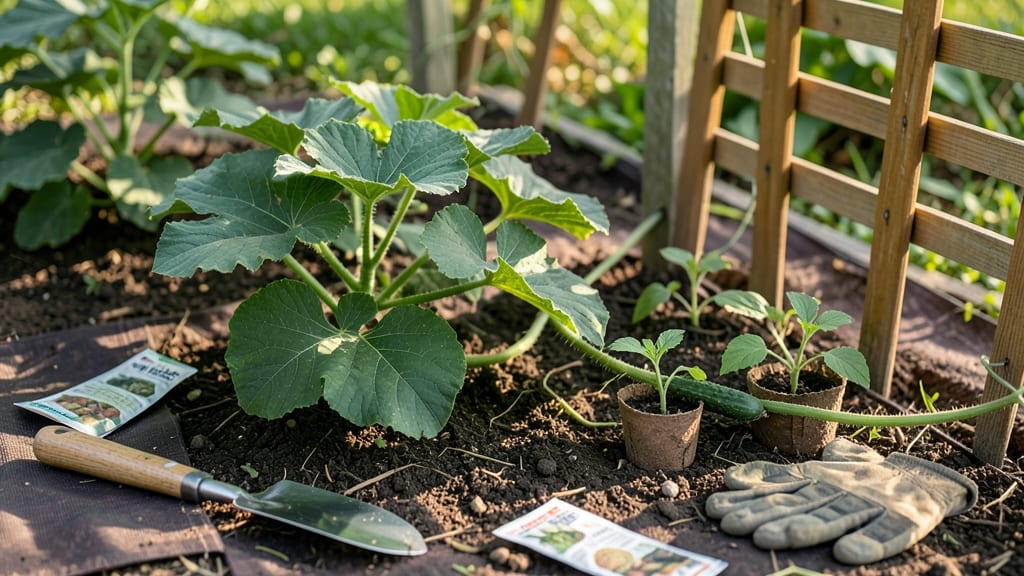
Planting cucumbers in Zone 6a at the wrong time means your seeds might never sprout—no matter how carefully you prep the soil. The key isn’t just waiting for frost to pass; it’s ensuring the earth is warm enough (60°F+) for those 🥒 seeds to germinate quickly.
I’ve learned the hard way that rushing the process leads to rot or stunted growth, but with the right timing, you’ll get a harvest that starts as early as July.
Most gardeners in Zone 6a assume late April or early May is safe, but without checking soil temperature, you’re gambling. Cold soil delays germination by weeks, and cucumbers can’t afford that luxury—they need warmth to thrive.
The good news? A simple soil thermometer (or even a DIY test with your finger) can tell you exactly when it’s time to plant, often a week or two after the last frost date.
This guide will walk you through the science of soil warmth, when to start seeds indoors (if you want a head start), and how to extend your harvest with succession planting.
Whether you’re a first-time gardener or a seasoned pro, these tips will help you avoid common mistakes and maximize your cucumber yield—without wasting time or seeds.
Ready to turn your garden into a fast-growing cucumber patch? Let’s dive into the exact steps to time your planting perfectly, so you’re harvesting crisp, homegrown 🥒 by midsummer.
Zone 6A cucumber planting timeline: soil temperature rules over calendar dates
In Zone 6A, cucumbers won’t germinate until soil reaches 60°F or warmer. While your local last frost date (typically around April 15) marks a starting point, it’s the soil thermometer, not the calendar, that determines success.
Cold soil delays germination by weeks—or worse, causes seeds to rot. I’ve learned this the hard way after watching $20 worth of seeds fail due to a 5°F miscalculation.
Your Zone 6A planting window typically spans from late April to early May, but this shifts based on microclimates and weather patterns. For example, a south-facing bed warms faster than a north-facing corner.
Even if your neighbor’s cucumbers sprouted in early April, their raised beds with black plastic mulch gave them a 2-week head start—something I’ll cover later.
🌱
If you’re direct sowing, wait until soil hits 60°F consistently—not just at the surface. Stick a soil thermometer 2 inches deep; that’s where seeds will be. I’ve seen surface temps hit 65°F while 2 inches down stayed at 55°F, causing seeds to fail.
For transplants, you can push it slightly earlier (soil at 55°F) since seedlings are hardier, but they still need warmth to thrive.
Heatwaves can also throw off your timing. If a 90°F week hits in early May, cucumbers may bolt (flower prematurely) or produce bitter fruit. To avoid this, I shade young plants with floating row covers during extreme heat.
Conversely, if unseasonably cool weather lingers, use row covers to trap heat and speed up germination.
For succession planting (which I’ll dive into later), your last planting window in Zone 6A is around July 15. After that, days shorten, and cucumbers struggle to mature before first frost (October 15). But with cold-tolerant varieties and season extenders, you can push harvests into early September.
Pro tip: If your soil warms slowly (common in clay-heavy or shady areas), try compost blankets or clear plastic tunnels. These can add 10–15°F to soil warmth, giving you a 2-week earlier start—a game-changer for short Zone 6A summers.
🌡️
Zone 6A cucumber planting timeline: soil temperature rules over calendar dates
In Zone 6A, cucumbers won’t germinate until soil reaches 60°F or warmer. Relying solely on last-frost dates (typically April 15) can backfire—cold soil delays sprouting by weeks.
I’ve learned the hard way that even after frost danger passes, early May is often safer for direct sowing in my garden. A soil thermometer ($10 at garden centers) is your best friend here.
For transplants, start seeds indoors 2–3 weeks before your last frost date. This gives seedlings a head start, but they still need warm soil to thrive.
I’ve had mixed success with this method—some years the soil warms fast, while others drag into June. Black plastic mulch can shave 2–3 weeks off this wait time by trapping heat.
| Method | Optimal Planting Window | Soil Temp Requirement | Pros | Cons |
|---|---|---|---|---|
| Direct Sowing | Late May to early June | 60°F+ (consistently) | Hardier plants, no transplant shock | Slower to mature, risk of late blight |
| Transplants | Early May (after frost) | 55°F+ (with mulch) | Faster harvest, longer season | Higher cost, transplant shock risk |
| Succession Planting | Every 2 weeks (May–July) | 60°F+ for each batch | Extended harvest, pest dilution | Space management needed |
Heatwaves can throw off your timing too. If temps spike to 90°F+ before soil warms, cucumbers may bolt (flower prematurely). I’ve had this happen in late June—always monitor both air and soil temps.
For late-season plantings, opt for ‘Straight Eight’ or ‘Northern Pickling’ varieties, which tolerate cooler soils better than standard slicing types.
Pro tip: Test your soil’s warmth at 10 AM on a cloudless day for the most accurate reading. Morning sun heats soil fastest, but afternoon readings can be misleadingly high. I’ve found that rocky or sandy soils warm 2–3 days faster than clay-heavy soil—adjust your schedule accordingly.
If you’re still unsure, plant a test row of 5–10 seeds in mid-May. Cover with row fabric until germination (usually 7–10 days at 70°F). If they sprout, you’re golden; if not, wait another week and try again.
This low-risk method saved my first cucumber crop from a late spring frost.
Remember: Cucumbers hate cold feet. Even if air temps are warm, cool soil will stunt growth. Use straw mulch after planting to maintain warmth and moisture—it’s a game-changer for Zone 6A’s unpredictable springs. 🌿