
Plants
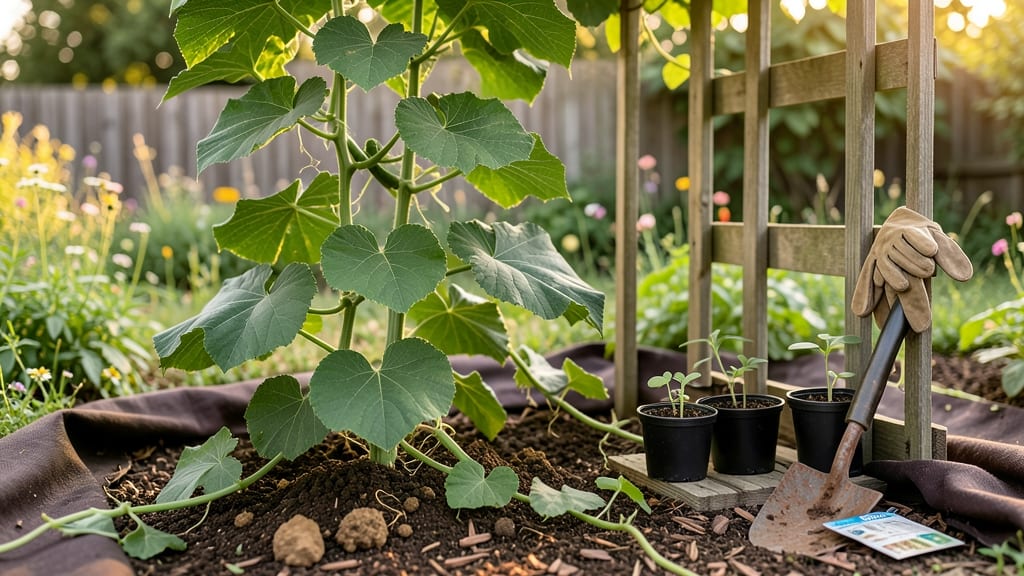
Planting cucumbers in North Carolina at the wrong time means waiting weeks for germination—or watching your vines wilt before summer even arrives. The key to fast, reliable harvests lies in those golden planting windows when soil warmth finally kicks in.
I’ve seen firsthand how a 5-day difference in timing can mean the difference between a bumper crop of crisp 🥒 and a sad, stunted vine. Whether you’re in the humid Coastal Plain or the cooler Mountains, knowing exactly when to plant—down to the soil temperature—is your secret weapon.
In this guide, I’ll break down the perfect planting schedule for your NC zone, from soil tests to variety choices that thrive in your microclimate. No more guessing games—just juicy, homegrown cucumbers straight from your garden.
Let’s get those seeds in the ground when they’ll actually grow.
North Carolina cucumber planting zones: when to start seeds vs. transplants
North Carolina’s diverse climate—from the humid Coastal Plain to the cooler Appalachian Mountains—means one planting window doesn’t fit all. Cucumbers thrive when soil temperatures hit 50°F+, but your last frost date varies wildly: March 15 in Wilmington to May 1 in Asheville.
This creates a 6-week difference in ideal planting times across the state.
Direct-sown seeds and transplants each have advantages. Seeds are cheaper but need consistent warmth to germinate, while transplants give you a head start but cost more. Here’s how to match your method to your NC region and microclimate for maximum success.
For Coastal NC, aim to plant seeds 2-3 weeks after your last frost when soil hits 55°F+. In Raleigh’s Piedmont, wait until late April for direct sowing or start transplants indoors by March 15 to harden off by April 15.
Mountain gardeners should transplant first in late April, then direct-sow in early June when soil warms.
Pro tip: Use a soil thermometer to confirm readiness. Cucumbers won’t germinate below 50°F, even if air temps are warm. In cooler zones like Western NC, opt for bush varieties that mature faster in shorter seasons.
North Carolina’s fall planting window (late July to early August) extends harvests into October. Choose heat-tolerant varieties like ‘Straight Eight’ for this late season. Coastal areas can push harvests even later due to milder nights.
Microclimates matter! A south-facing slope warms up faster than a north-facing valley. If your yard has shaded spots, transplants are your best bet—they’ll establish faster than seeds in cooler microclimates.
🌱 Remember: Cucumbers hate cold feet. Even if air temps are pleasant, chilly soil will delay germination by weeks. Use row covers for early starts in Zone 6a areas like the mountains.
Soil warmth secrets: how to test and warm soil for faster cucumber germination
Cucumbers are warm-season crops that refuse to sprout in cold soil, often sitting stubbornly in the ground for weeks. The key to beating this is understanding soil temperature thresholds—cucumbers need soil to reach a consistent 60°F+ before germination begins.
In North Carolina’s cooler regions, this can mean waiting until late May, while coastal areas may start as early as mid-April.
Don’t let chilly mornings trick you—use a soil thermometer to check temperatures at a 4-inch depth, where roots will be. Morning readings below 55°F signal you’re not ready to plant. Pro tip: Take readings for 3 consecutive days to confirm trends, as daily fluctuations can be misleading.
Pro Tip: Speed Up Germination with These Tricks
- Lay black plastic mulch 1-2 weeks before planting to raise soil temps by 10-15°F.
- Use cold frames or row covers to create microclimates in early spring.
- Plant near warm-season companions like beans or peas—their roots warm the soil.
- Try soil warming cables (available at garden centers) for stubbornly cold patches.
If your soil is too cold to plant but you’re eager to start, consider indoor seed starting 2-3 weeks before your target outdoor date. Use grow lights or a sunny windowsill, and transplant seedlings when soil warms up.
Just beware: transplanted cucumbers often struggle with transplant shock if moved too early, so time it right.
For fall planting (late July-August), focus on soil moisture retention—dry heat can stress seedlings. Use mulch like straw or grass clippings to keep roots cool and hydrated. This dual approach—warming for spring, cooling for fall—lets you stretch your cucumber season in NC’s humid climate.
Remember: Patience pays off. Rushing cucumbers into cold soil wastes seeds and energy. Instead, use these soil-warming hacks to create the perfect environment—your vines will thank you with explosive growth and bountiful harvests in just 50-70 days.
Once your soil hits that 60°F sweet spot, germination can happen in as little as 3-7 days. Keep an eye on those seedling leaves—they’ll emerge with a bright green vigor that’s impossible to miss.