
Plants
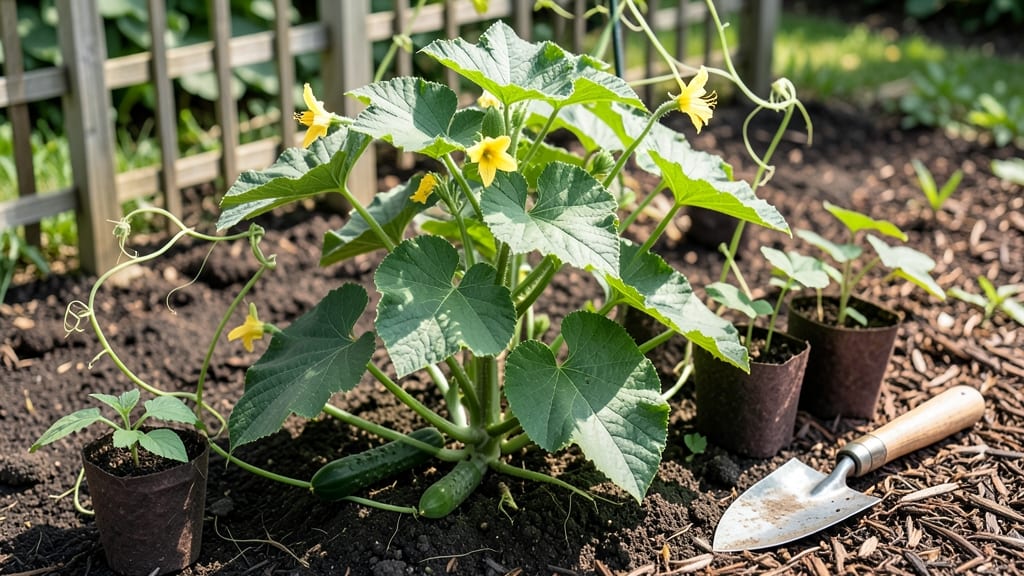
Planting cucumbers in East Tennessee at the wrong time means waiting weeks for those crisp, vine-ripened 🥒 slices—or worse, losing your plants to late frosts. The key is timing: your window opens between April 15 and May 15, when soil warms to at least 60°F and frost risks fade.
Why does this matter? In zones 6a-7a, a single late frost can wipe out tender seedlings overnight. I’ve seen it happen—especially in higher elevations like Johnson City—so knowing your county’s last frost date is non-negotiable.
But here’s the good news: with the right strategy, you can push harvests from June through September.
This isn’t just about dates—it’s about working with East Tennessee’s quirks. Humidity helps cucumbers thrive, but pests like cucumber beetles lurk when vines get established. We’ll cover how to beat them while maximizing your 180-day growing season, whether you’re planting in raised beds or containers.
Ready to go from seed to salad? I’ll walk you through the exact steps to time your planting, choose the best varieties for your heat zone, and keep your cucumbers producing until fall. Let’s get those vines growing!
East Tennessee county heat zones: frost-free planting deadlines for cucumbers
Timing your cucumber planting in East Tennessee isn’t one-size-fits-all—it depends on your county’s last frost date and USDA zone. Most of East Tennessee falls in zones 6a-7a, but even small elevation changes (like those between Knoxville and Johnson City) shift your planting window by weeks.
I’ve seen April 15 work in Chattanooga while May 1 is safer in higher-elevation areas.
Why does this matter? Cucumbers need soil temperatures above 60°F to germinate. If you plant too early, your seeds will rot in cold soil. If you wait too long, you’ll miss the 180-day growing season before fall frosts hit.
Let’s break down the exact dates by county so you can avoid these common mistakes.
Here’s the critical data you need to plan your planting:
Pro tip: Use a soil thermometer to confirm your soil is at least 60°F before planting. I’ve had seeds sprout in 48 hours when soil hit 65°F, but they’ll rot if it’s below 55°F. Also, consider black plastic mulch to warm soil faster in cooler zones like Cocke County.
If you’re in a higher-elevation area (like the Smoky Mountains), wait until May 1 to plant. These zones often see late frosts in April, and cucumbers won’t tolerate even light frost. I’ve lost entire plantings in Cocke County by ignoring this rule—don’t make the same mistake!
For container gardening, you can start seeds indoors 4-6 weeks before your last frost date. This gives you a head start, especially if you’re using 5-gallon buckets or raised beds. Just move containers outside after all frost risk has passed, and harden them off gradually to avoid shock.
Remember: Succession planting is your friend in East Tennessee. After your first harvest in June, sow another batch in early July to extend your season until September. This works especially well for bush varieties like ‘Bush Champion,’ which mature faster than vining types.
One more critical note: Cucumber beetles are a major threat in East Tennessee, especially in May and June. These pests can destroy seedlings overnight.
I’ll cover how to protect your plants in the next section, but for now, mark your calendar for May 15 as the absolute latest to plant—after that, beetles have free rein.
How to extend your cucumber growing season in East Tennessee’s short summers
East Tennessee’s 180-day growing season might feel short for cucumbers, but with smart planning, you can stretch harvests from June through September. The trick is combining cold-hardy varieties, protective covers, and strategic planting.
I’ve used these methods in my own garden to add 4-6 weeks to my cucumber season—here’s how.
Start with succession planting every 2 weeks after your last frost date (typically April 15 in lower elevations). This keeps your vines producing fresh cucumbers when older plants start slowing down in August.
For example, plant a second batch around May 15 and a third in early June for a staggered harvest.
🚨 NON-NEGOTIABLE: Use row covers or lightweight frost blankets for early and late-season protection. I’ve saved entire batches of seedlings by covering them during late-May cold snaps (which happen more often than you’d think!). These covers also shield plants from cucumber beetles, a major pest in Tennessee.
Don’t overlook late-summer care—this is when most gardeners see their cucumber yields drop. Reduce watering slightly in August to prevent powdery mildew (a common issue in Tennessee’s humidity), but keep soil moist. I’ve found that mulching with straw helps retain moisture while keeping vines cool.
For container gardeners, switch to dwarf varieties like 'Bush Champion' and place pots in south-facing windows or under grow lights by September. I’ve kept plants producing until mid-October using this method—just be sure to harden off seedlings before moving them indoors.
Pro tip: Mark your calendar for October 15—this is when I start preparing for fall. By then, I’ve already harvested my last outdoor crop and moved remaining vines to a sunroom or greenhouse. With these tricks, you’ll enjoy fresh cucumbers 30% longer than the average East Tennessee gardener.