
Plants
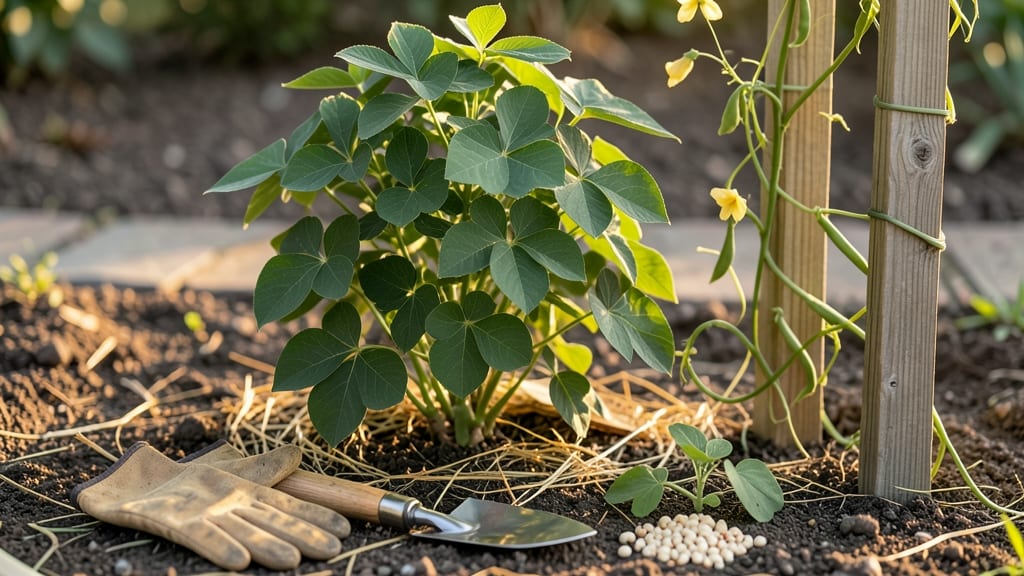
Planting cowpeas in Texas isn't just about timing—it's about outsmarting the heat and avoiding frost traps that kill your crop before it even starts.
These hardy 🌱 legumes love the Lone Star State's long summers, but get the schedule wrong, and you'll end up with sad, stunted plants or worse, a total bust.
Most gardeners in 8a-10a zones assume March is the only safe month, but that’s where they go wrong. The real secret? Staggering your plantings from late spring through early summer—when soil temps hit 60°F—to stretch your harvest from May through November.
I’ll break down the exact windows for North, Central, and South Texas so you never miss a beat.
Why does this matter? Because cowpeas are heat-lovers, but they’re also frost-phobes. Plant too early in North Texas, and a late freeze will wipe you out.
Plant too late in South Texas, and you’ll miss the sweet spot for pod production. We’re talking 60-90 days of growing magic—if you time it right.
Ready to turn your Texas garden into a cowpea powerhouse? Let’s dive into the heat zone map that’ll show you precisely when to drop those seeds for maximum yields—no guesswork, just results.
Texas heat zone map: best planting months by region (avoid frost zones 7-10)
Texas’s diverse climate means cowpeas can thrive year-round in some areas while others face frost risks that can kill young plants. The key? Planting after your last average frost date and choosing varieties suited to your USDA zone.
North Texas (Zones 7b-8a) has the shortest growing window, while South Texas (Zones 9a-10a) can plant nearly year-round.
Cowpeas love heat and humidity, but they hate frost. In North Texas, wait until mid-April after the last frost (usually February 15 in Dallas).
Central Texas (Austin/San Antonio) can start as early as March 1, while South Texas (Houston/Beaumont) can plant February through October with minimal frost risk.
For maximum yields, align planting with soil warmth. Cowpeas need soil temps of at least 60°F to germinate. In North Texas, this typically means late April to early May.
Central Texas hits this mark by mid-March, and South Texas can plant as early as January in protected microclimates.
Here’s the regional breakdown you need to avoid frost damage and maximize harvests:
If you’re in North Texas, focus on early-summer plantings (April-May) for maximum heat tolerance. Central Texas gardeners can stretch plantings into late summer (July-August) for fall harvests, while South Texas growers enjoy year-round flexibility with shade cloth in extreme heat.
For extended harvests, try succession planting every 2-3 weeks in Central and South Texas. This ensures a steady supply of fresh pods from summer through fall. In North Texas, stick to one main planting in late spring to avoid early frost risks.
Pro tip: Use Texas A&M’s frost maps to pinpoint your exact last frost date. For North Texas, aim for after April 15 to guarantee frost-free growth. In Central Texas, March 15 is your safe bet, while South Texas growers can plant as early as February.
Remember, cowpeas are drought-tolerant but heat-loving. In 100°F+ heat, mulch heavily to retain moisture and protect roots. This is especially critical in South Texas, where summer heat can stress plants if not managed properly.
For zero-frost survival, consider row covers in North Texas during unexpected late frosts. Even a light frost can kill young seedlings, so plant after all danger has passed. Check local weather forecasts for cold snaps in April-May.
Now that you’ve got your planting timeline, mark your calendar and get ready for a bountiful cowpea harvest! The soil prep and care tips in the next section will ensure your plants thrive from seed to pod.
Texas heat zone map: best planting months by region (avoid frost zones 7-10)
Texas isn't one-size-fits-all when it comes to cowpeas. North Texas gardeners face late frosts until March 15, while South Texas enjoys frost-free winters. Central Texas sits smack in the middle with April 1 as the magic cutoff.
The key? Planting when soil temps hit 60°F consistently—this triggers germination and avoids frost damage.
For North Texas (Dallas/Fort Worth), your window is tight: April 15 to June 1. This gives you 60-90 days to harvest before summer heat peaks.
In Central Texas (Austin/San Antonio), you can stretch it to March 15 to July 15, taking advantage of milder springs and longer summers. South Texas (Houston/Beaumont) gardeners get the luxury of planting from February 15 to August 15—just watch for sudden cold snaps in early spring.
| Region | USDA Zone | Best Planting Window | Last Frost Date | Harvest Window |
|---|---|---|---|---|
| North Texas | 8a | April 15 - June 1 | March 15 | June - September |
| Central Texas | 8b-9a | March 15 - July 15 | April 1 | May - October |
| South Texas | 9b-10a | February 15 - August 15 | January 15 | April - November |
Pro tip: Use Texas A&M’s frost maps to double-check your local last-frost date. I once planted cowpeas in North Texas in early April, only to lose half my crop to a 28°F dip.
Now, I wait until soil temps are consistently 60°F—usually mid-April—and use row covers for extra protection if needed.
For extended harvests, try successive plantings every 2-3 weeks within your region’s window. This ensures a steady supply of 3-4 inch pods from June through October. Just avoid planting after August 1 in North Texas—summer heat will stall growth before pods mature.
Remember, cowpeas are heat-tolerant but frost-sensitive. If you’re in Zone 10a, you can even plant a fall crop in September for a late-winter harvest. The key is monitoring soil temps and adjusting your schedule accordingly.
Need a quick reference? Bookmark this map and check your local USDA zone before dropping those seeds. Your cowpea crop will thank you with bountiful pods all season long! 🌱