
Planting
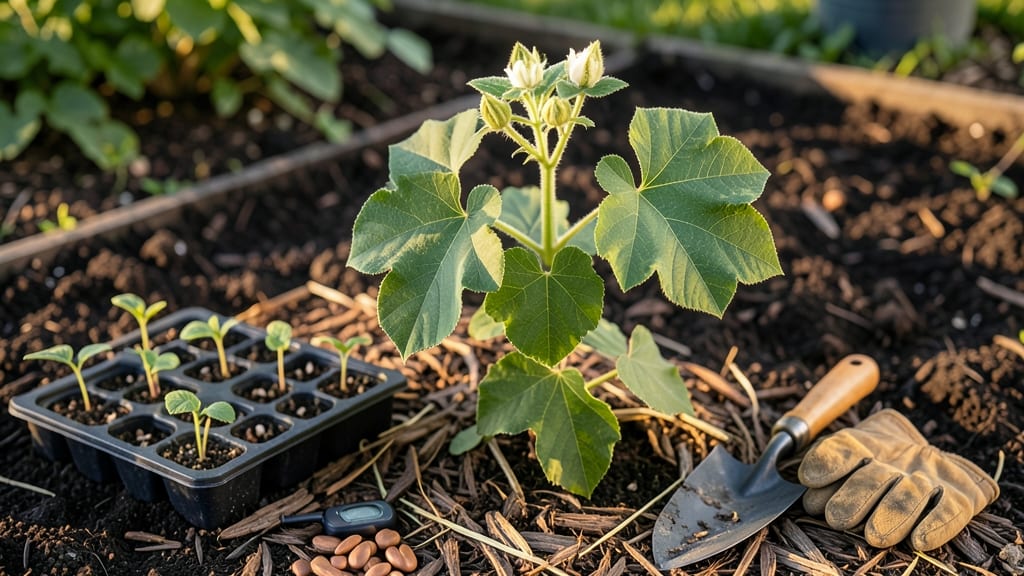
Planting cotton in Texas at the wrong time can mean the difference between a lucrative harvest and wasted effort—especially when late frosts or scorching heat throw off your whole season.
The key isn’t just picking a month from a calendar; it’s understanding how heat zones shape your planting window, from the High Plains to the Gulf Coast.
I’ve seen firsthand how a single week’s delay can stunt cotton growth before bolls even form, while planting too early risks seedlings freezing under unexpected cold snaps. Texas’ diverse climate means what works in Lubbock won’t cut it in Houston—and getting this right is the foundation of a successful crop.
In this guide, I’ll break down the exact planting deadlines for each Texas heat zone, including soil temperature thresholds and regional adjustments. Whether you’re a small-scale farmer or a backyard grower, these insights will help you time your cotton planting for maximum yield and minimal stress.
We’ll also cover how to tweak your schedule for early vs. late varieties and avoid the costly mistakes that trip up even experienced growers. Let’s get your cotton off to the right start—before the heat sets in for good.
Texas heat zones explained: the best planting windows for cotton
Texas stretches across USDA Plant Hardiness Zones 7-10, creating dramatic differences in planting windows for cotton. In Zone 7 (North Texas), late spring frost can linger until April 15, while Zone 10 (South Texas) enjoys frost-free conditions year-round.
This variation means your planting strategy must adapt—what works in Lubbock fails in Houston. Understanding these zones helps you avoid seedling loss from cold snaps or poor boll development from late planting.
Cotton thrives when soil temperatures reach 60°F (15°C) consistently. In most of Texas, this happens between mid-April and early June, but exact timing depends on your zone.
For example, East Texas (Zone 8) can start as early as March 15, while the High Plains (Zone 7b) should wait until April 30 to avoid frost damage. Always check local frost dates from the Texas A&M AgriLife Extension for precision.
Here’s how Texas heat zones break down for cotton planting:
| Zone | Last Frost Date | Ideal Planting Window | Soil Temp Requirement | Notes |
|---|---|---|---|---|
| 7 (North Texas) | April 15 | May 1–15 | 60°F+ | Use row covers for early starts |
| 8 (East/Central Texas) | March 15 | April 1–30 | 60°F+ | Humidity increases fungal risks |
| 9 (South Texas) | None (year-round) | March 1–May 15 | 65°F+ | Plant early to avoid summer heat stress |
| 10 (Rio Grande Valley) | None (year-round) | February 15–April 30 | 70°F+ | Drought-tolerant varieties recommended |
For Zone 7 growers, I recommend planting late May to ensure bolls mature before the first frost, which can arrive as early as October 15. In Zone 9, you can extend planting into June, but avoid July starts—summer heat can stress young plants.
Always monitor weekly weather forecasts and adjust your timeline if unusual cold snaps are predicted.
Another critical factor is soil preparation. Cotton hates soggy roots, so aim for well-draining soil with a pH between 6.0 and 7.5. In clay-heavy soils (common in East Texas), mix in compost or sand before planting.
Test your soil 4–6 weeks before planting to give amendments time to work—Texas A&M Soil Testing Labs offer affordable kits for DIY gardeners.
Pro tip: Use a soil thermometer to confirm temperatures. Cotton seeds won’t germinate below 60°F (15°C), even if the air is warm. In North Texas, I’ve seen seeds rot in 55°F (13°C) soil despite sunny days.
Planting too early is a common mistake—wait for consistency rather than rushing the season.
If you’re in Transition Zones (7b/8a), like Dallas or Waco, consider staggered planting. Start with 10% of seeds in late April, then add 90% in early May.
This spreads risk if early plants fail due to frost or pests. For organic growers, cover seeds with straw mulch to retain heat and moisture during germination.
Remember, Texas cotton requires 120–150 frost-free days to mature. If you’re in Zone 7 and plant after June 1, your bolls may not fully develop before frost.
Use this rule of thumb: Count backward from your first frost date and plant 90–120 days before that date for a reliable harvest.
For real-time updates, bookmark the Texas A&M AgriLife Extension’s Planting Calendar. They adjust dates annually based on historical weather patterns and local reports
How to adjust planting dates for early, mid, and late cotton varieties in Texas
Selecting the right cotton variety and adjusting your planting timeline can mean the difference between a bountiful harvest and wasted effort. Texas’ diverse climate—from the humid East to the arid Panhandle—means early, mid, and late-maturing varieties each have their own ideal window.
Let’s break down how to match your variety to your region’s frost dates and heat patterns.
For North Texas (Zones 7-8), where frosts linger until mid-April, early-maturing varieties like Stoneville 474 are your best bet. These can be planted as soon as the soil reaches 60°F, typically around late March to early April.
In contrast, South Texas (Zones 9-10) offers a longer growing season, allowing late varieties like FM 966 to thrive when planted in April or even May.
Here’s how to align your variety with Texas’ three key planting zones:
Ideal for North and Central Texas (Zones 7-9). Plant late March to early April when soil temps hit 60°F.
Best for East and Central Texas (Zones 8-9). Aim for mid-April to early May planting.
Perfect for South Texas and Gulf Coast (Zones 9-10). Plant April to May for full-season growth.
Use row covers in early spring to protect seedlings in Zone 7 from late frosts.
Adjusting your planting date based on variety isn’t just about avoiding frost—it’s about ensuring bolts develop fully before the first fall frost. For example, in Lubbock (Zone 8), planting Stoneville 213 in early April gives it enough time to mature before October’s first frost.
Meanwhile, in Houston (Zone 9), you can push late varieties like FM 1877 into May planting without risking frost damage.
Always check the Texas A&M AgriLife Extension for local frost dates and soil temperature forecasts. Their free planting guides include county-specific recommendations that account for microclimates—like urban heat islands or windy plains.
For instance, Dallas (Zone 8a) might have a 5°F warmer microclimate than rural areas just 20 miles away, allowing for a 1-2 week earlier planting window.
Remember: Soil temperature matters more than air temperature. Use a soil thermometer to confirm 60°F+ before planting—cold soil delays germination and weakens seedlings. If your soil is slow to warm, consider black plastic mulch to speed up heating in North Texas gardens.
By matching your cotton variety to your local heat zone and adjusting planting dates accordingly, you’ll give your crop the best shot at thriving—whether you’re in El Paso’s desert or Beaumont’s humidity. 🌱