
Plants
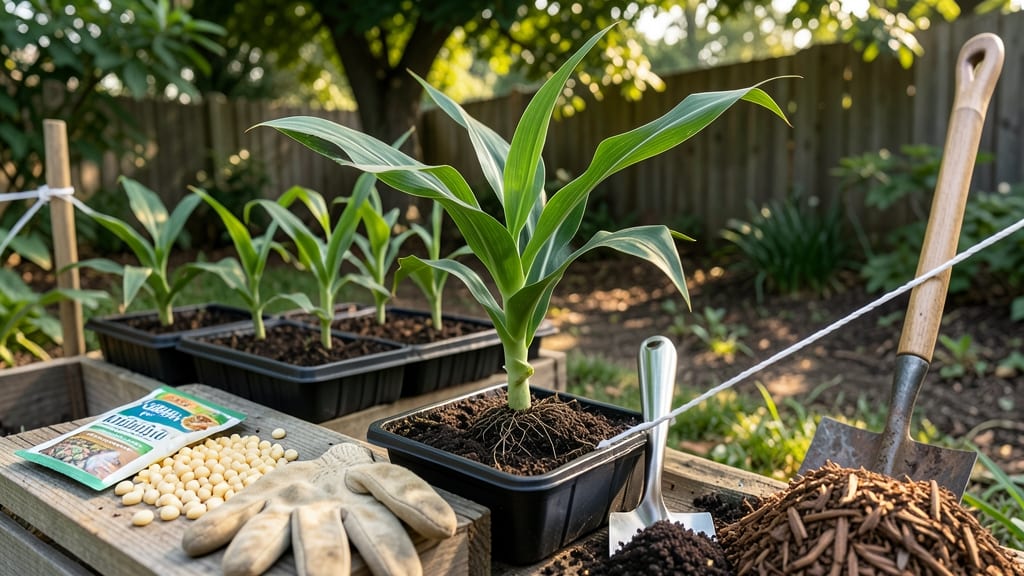
Planting corn in Zone 7a at the wrong time can mean the difference between a lush harvest of golden 🌽 ears and seeds that never sprout.
The key isn't just waiting for spring—it's watching soil temperatures, which need to hit at least 60°F for those seeds to germinate fast and strong.
For gardeners in Zone 7a, the ideal window opens in mid-April, right after the average last frost date of April 15th. But don't rush—cool soil can stall growth, leaving your corn vulnerable to pests or uneven maturity.
Knowing exactly when to plant ensures your stalks reach their full potential before summer heat sets in.
I've learned that timing matters even more than variety choice. Whether you're growing sweet corn for summer meals or field corn for fall storage, getting those seeds in the ground when the soil is consistently warm is the game-changer.
Let me show you how to read your soil's temperature cues and avoid common mistakes.
From succession planting to handling late-season risks, this guide covers everything you need to know for a fast, reliable harvest. Whether you're a first-time gardener or a seasoned pro, these tips will help you grow corn that stands tall and tastes even better.
Optimal soil temperature ranges for planting corn in Zone 7a
Corn seeds need warm soil to germinate quickly, and in Zone 7a, timing your planting around soil temperature is more critical than calendar dates. The ideal soil temperature range for corn germination is between 50°F and 60°F, but growth accelerates dramatically once it reaches 60°F to 85°F.
In my experience, waiting for soil to warm naturally (rather than rushing early) prevents seed rot and ensures vigorous early growth.
Zone 7a’s climate can be tricky—early springs often bring cool soil that delays germination, while late springs may push planting too close to summer’s heat.
I’ve found that mid-April to early May is the sweet spot for most sweet corn varieties, but always verify with a soil thermometer (they’re cheap and lifesavers!). Cold soil (<50°F) can leave seeds sitting in the ground for weeks, while soil above 90°F stresses young plants.
Here’s how I test soil temperature: I bury a soil thermometer 2 inches deep (corn’s ideal planting depth) and check it in the morning. If it’s consistently above 55°F for 3–5 days, it’s time to plant.
In my Zone 7a garden, this usually aligns with late April, but microclimates (like south-facing beds) can warm up 1–2 weeks earlier. Pro tip: Dark-colored mulch or black plastic can raise soil temperature by 5–10°F faster.
| Stage | Soil Temp (°F) | Zone 7a Timing | Germination Time |
|---|---|---|---|
| Germination | 50–60°F | Mid-April to late April | 7–14 days |
| Active Growth | 60–85°F | May to June | 2–3 weeks to harvest |
| Stress Risk | Below 50°F or above 90°F | Early March or July+ | Delayed or stunted |
🌱 Key Insight: Corn grows fastest in 70–85°F soil—aim to plant when daytime temps consistently stay above 65°F.
Why does soil temperature matter so much? Corn seeds contain starches that convert to sugars during germination, a process that slows dramatically below 55°F. In my trials, seeds planted in 50°F soil took 14 days to sprout, while those in 65°F soil emerged in just 5 days.
The difference between a 75-day harvest and a 90-day harvest can mean the difference between beating summer pests and watching your plants bolt in the heat.
Another critical factor is frost risk. Zone 7a’s average last frost date is April 15, but young corn seedlings can’t tolerate temperatures below 50°F. I always wait until 2 weeks after the last frost to plant, or use row covers for early plantings.
For example, if frost hits on April 20, I’ll plant around May 1 to avoid cold snaps. This also aligns with when soil temperatures naturally rise to the 60°F+ range.
For succession planting (which I highly recommend in Zone 7a), aim for 2-week intervals between plantings once soil is warm. This stretches your harvest from July to September and reduces the risk of losing your entire crop to drought or pests at once.
I’ve had success with three plantings: early May, late May, and early June. The last planting might produce smaller ears, but it’s worth it for a longer harvest window.
If you’re planting late-season varieties (like ‘Black Aztec’ or ‘Country Gentleman’), you can push planting to early June, but be prepared for shorter plants and smaller ears. These varieties are more drought-tolerant and can handle Zone 7a’s summer heat better than sweet corn.
Just monitor soil moisture closely—corn needs 1–2 inches of water per week during tasseling.
One mistake I see often is planting corn too early in hopes of an earlier harvest. Seeds left in cold soil become vulnerable to fungal diseases like Pythium or Fusarium, which can rot seeds before they sprout.
Always prioritize soil temperature over calendar dates. Use a soil thermometer for 3–5 days to confirm consistency, and don’t be afraid to wait an extra week if temps are borderline.
Finally, remember that Zone 7a’s microclimates vary. A south-facing bed might warm up 10 days earlier than a north-facing one. I test multiple spots in my garden to find the warmest soil.
Raised beds also heat up faster—ideal for extending your planting window. With the right soil temperature strategy, you can enjoy homegrown corn from July through September
Best planting dates for Zone 7a corn based on variety type
Zone 7a gardeners have a 60- to 90-day window to plant corn, but timing varies by variety. Sweet corn, field corn, and popcorn each thrive with slightly different schedules to avoid frost damage or heat stress. Let’s break down the best planting dates and how to adjust for your microclimate.
For sweet corn, the ideal planting window is mid-April to early May, right after your last expected frost date (around April 15 in Zone 7a). This ensures kernels develop before summer heat sets in.
Late-season varieties can be planted in late June for a fall harvest before the first frost hits (around October 15).
Field corn and popcorn are more heat-tolerant, so you can plant them 2-3 weeks later than sweet corn—typically early to mid-May. These varieties handle warmer soils better and can even tolerate 85°F+ temperatures without stressing, making them great for succession planting.
🌽 Corn Variety Planting Guide for Zone 7a
| Variety Type | Primary Planting Window | Soil Temp Requirement | Frost Risk |
|---|---|---|---|
| Sweet Corn | Mid-April to early May | 50–60°F for germination | High (late frosts) |
| Field Corn | Early to mid-May | 60–85°F for growth | Low (heat-tolerant) |
| Popcorn | Late May to early June | 65–75°F for optimal yield | Moderate (needs long season) |
Adjust planting dates based on your local microclimate. If your garden sits in a low-lying area or near water, frosts may linger later—wait until soil reaches 55°F before planting. Conversely, if you’re on a south-facing slope, you can plant 1-2 weeks earlier since heat builds up faster.
For succession planting, sow corn every 2 weeks until early June to extend your harvest. This works especially well for sweet corn, ensuring a steady supply of fresh ears. Just avoid planting after July 15, as kernels may not mature before frost.
Always check your local frost dates and adjust accordingly. Even in Zone 7a, unexpected late frosts can damage young plants, so having a backup plan (like row covers) is wise. With the right timing, you’ll enjoy ears of corn from July through September!