
Plants
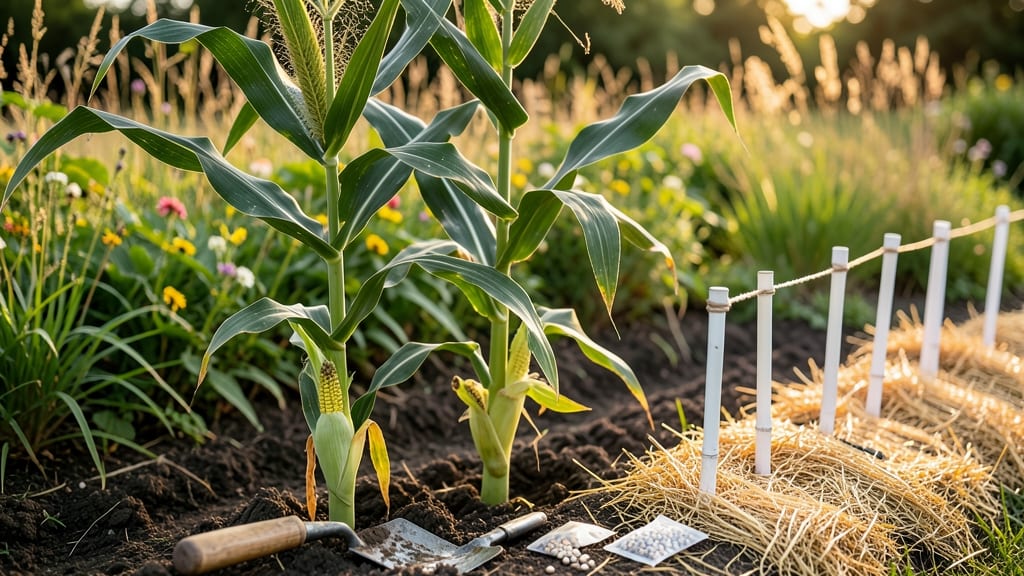
Planting corn in Virginia at the wrong time can turn your 🌽 dreams into a sad, stunted crop—because this heat-loving plant won’t wait for your schedule.
The key to juicy ears and full stalks? Getting those seeds in the ground when soil temps hit 60°F and frost is a distant memory.
Most of Virginia falls in USDA zones 6a-7b, where last frost dates swing wildly—from mid-April in Richmond to late April in the mountains. That means your perfect planting window could be as short as 6 weeks (or as long as 8 weeks if you’re in the cooler highlands).
Miss it, and you’ll either face frost damage or a harvest that’s small, tough, and lacking that sweet corn flavor we all crave.
Here’s the game-changer: I’ll break down the exact weeks before your last frost to plant, plus how to adjust for Virginia’s microclimates—whether you’re in humid coastal zones or the faster-warming Piedmont. No more guessing games, just data-driven timing to ensure your corn thrives from seed to silks.
Ready to go from "hopeful gardener" to "corn-growing pro"? Let’s dive into the ideal planting schedule for your corner of Virginia, plus pro tips to stretch your season like a pro.
Virginia corn planting dates by USDA hardiness zone (with exact weeks before last frost)
Corn thrives in Virginia’s USDA zones 6a-8a, but your exact planting window depends on your zone and last frost date. Most Virginia gardeners fall in zones 6a-7b, where corn needs 60°F+ soil temps and 180-220 frost-free days to mature.
Plant too early, and frost will kill tender seedlings; too late, and you’ll miss the harvest window.
For sweet corn (like 'Silver Queen'), aim for 60-75 days to maturity, while field corn (like 'Peaches and Cream') takes 90-120 days. Below are the exact weeks before last frost to plant in Virginia’s most common zones, plus soil temperature tips to ensure success.
🌱 Pro Tip: Use a soil thermometer—corn won’t germinate below 50°F, and roots struggle under 60°F. Wait until the ground consistently hits 60°F+ for 2-3 days before planting.
If you’re in zone 6a (mountains), stick to short-season varieties like 'Golden Bantam' (60 days) and plant no later than May 1 to avoid early fall frosts. In zone 8a (coastal), you can push planting to early June for late-summer harvests, but prioritize heat-tolerant varieties like 'Ambrosia'.
For transplanting (if starting indoors), move seedlings outdoors 2-3 weeks after last frost when soil is warm. Harden off seedlings first by placing them outside in partial shade for 3-5 days before full sun exposure. Use black plastic mulch to warm soil faster in cooler zones.
⚠️ Warning: Planting corn too late risks ear rot from summer humidity. In zone 7a-8a, avoid planting after June 1 unless using drought-resistant varieties like 'Temptation'.
To check your last frost date, use the Virginia State Climate Office or local Cooperative Extension Service. For example, Richmond (7a) averages its last frost on March 20, while Blacksburg (6a) sees frost until April 15. Adjust your schedule accordingly!
🌽 Remember: Corn is wind-pollinated, so plant blocks of 4+ rows (not single rows) for better pollination. If you’re growing multiple varieties, space them 10+ feet apart to prevent cross-pollination.
How to adjust planting for Virginia’s microclimates (coastal vs. Piedmont vs. mountains)
Virginia’s geography creates dramatic differences in planting success—what works in Tidewater’s humid coastal zone might fail in the Blue Ridge Mountains. Each region has its own frost patterns, soil warmth, and growing season length.
Understanding these microclimates lets you fine-tune your corn schedule for peak yields, whether you’re battling coastal humidity or racing against mountain frost.
For example, Richmond’s Piedmont (Zone 7a) warms up faster than Norfolk’s coastal plain (Zone 8a), meaning you can plant corn 2-3 weeks earlier in the Piedmont.
Meanwhile, Blacksburg’s mountains (Zone 6b) demand a later start to avoid spring frosts. Let’s break down how to adjust your planting window for each Virginia region.
🌽
| Region | USDA Zone | Last Frost | Ideal Planting Window | Key Adjustments |
|---|---|---|---|---|
| Coastal (Norfolk, Hampton) | 8a | March 20 | April 15–May 15 | Plant later to avoid humidity delays; use dwarf varieties for shorter seasons. |
| Piedmont (Richmond, Charlottesville) | 7a–7b | April 1 | April 15–May 30 | Soil warms fastest here—plant early for longer harvests; watch for heat stress in June. |
| Mountains (Roanoke, Blacksburg) | 6a–6b | April 15 | May 1–June 1 | Wait for soil ≥60°F; choose early-maturing varieties (60–75 days). |
If you’re in Zone 8a (coastal), don’t rush planting—humidity slows soil warming, and late frosts can linger. Start with dwarf varieties like ‘Golden Bantam’ (60 days to harvest) to ensure success.
In the Piedmont, where heat arrives earlier, you can stretch your season by planting successive crops every 2 weeks from April to early June.
For mountain gardeners, focus on soil temperature over frost dates. Use a soil thermometer to confirm 60°F+ before planting—cold soil stunts roots. If your last frost is April 15, aim for a May 1 start and prioritize short-season hybrids like ‘Ambrosia’ (72 days).
Pro tip: Check your local Cooperative Extension Service for heat zone maps—they’ll show how your exact neighborhood differs from the broader region. For example, Richmond’s urban heat islands can push planting dates 1 week earlier than rural areas just 10 miles away.
☀️