
Plants
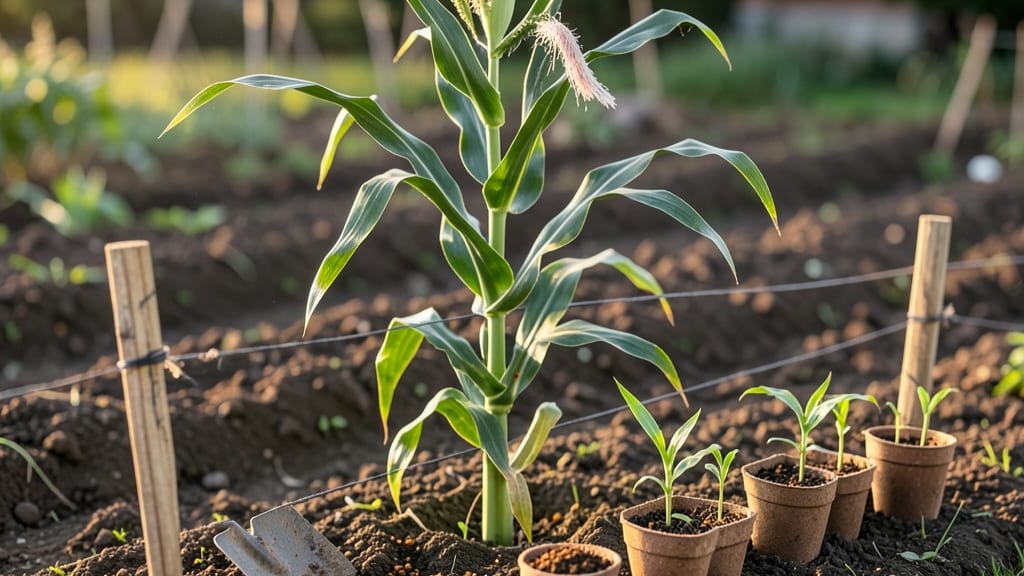
Timing when to plant corn in Portland, Oregon just right can mean the difference between sweet, juicy 🌽 ears and a disappointing harvest. With the city's mix of coastal breezes and inland warmth, getting the schedule wrong might leave your plants struggling against late frosts or summer heat.
Most gardeners in USDA Zone 8a know the general rule—wait until after the last frost—but Portland's microclimates add complexity.
Whether you're in a cooler neighborhood near the Willamette River or a warmer urban pocket, knowing exactly when to plant ensures your corn has enough time to mature before fall sets in.
I'll walk you through the ideal planting window, soil temperature tips, and how to adjust for Portland's unpredictable weather. By the end, you'll have a clear plan to grow corn that thrives from mid-April through early June, giving you a bountiful harvest from late July to October.
Ready to grow corn that rivals your favorite farmers' market finds? Let's dive into the details that make all the difference in Portland's garden beds.
Optimal corn planting dates in Portland’s USDA Zone 8b for maximum yield
Portland’s USDA Zone 8b climate offers a unique window for growing corn (Zea mays), but timing is everything. The last spring frost typically occurs around April 15, while summer heat can stress plants if planted too late.
To avoid stunted growth or poor pollination, aim for a 4-6 week planting window starting in mid-April.
Corn thrives when soil temperatures reach 60°F or higher. In Portland, this usually happens by late April to early May, but cooler coastal areas may need to wait until mid-May. Using a soil thermometer ensures you plant when conditions are ideal for germination.
For direct sowing (the preferred method for corn), plant seeds 1 inch deep and 4-6 inches apart in rows spaced 30-36 inches apart. This spacing allows for proper air circulation and reduces disease risks. Start your first batch around April 20 for an early harvest.
If you’re transplanting seedlings (less common for corn), do so after the last frost date and when seedlings have 3-4 true leaves. However, corn transplants often struggle, so direct sowing is recommended for best results.
Here’s your Portland-specific planting timeline to maximize yield and avoid summer heat stress:
| Stage | Action | Portland Date Range |
|---|---|---|
| Soil Prep | Amend soil with compost; ensure good drainage | Mid-March to early April |
| Direct Sowing | Plant seeds 1" deep, 4-6" apart; wait for 60°F soil | April 20–May 15 |
| Germination | Keep soil moist; expect sprouts in 7-14 days | Late April–early May |
| Thinning | Thin to 12" apart; fertilize lightly with 10-10-10 | May–June |
| Harvest Window | Pick when silks brown and kernels are milky | Late July–early October |
To extend your harvest, consider succession planting every 2 weeks until June 1. This staggered approach ensures a continuous supply of fresh ears and reduces the risk of overproduction before the first frost in October.
For container gardening, choose dwarf varieties like ‘Golden Bantam’ and plant in 5-gallon pots with well-draining soil. Containers warm up faster, so you can plant 1-2 weeks earlier than in-ground gardens. Just ensure pots get full sun (6+ hours) daily.
Monitor your garden closely for late spring frosts, which can occur as late as May 10 in some Portland microclimates. Use row covers or black plastic mulch to protect young plants and warm the soil faster.
Pro tip: Plant a pollination partner like bush beans nearby to improve corn yield. Corn is wind-pollinated, but cross-pollination with other varieties can lead to uneven ear development—so stick to one variety if possible.
How to adjust your corn planting schedule for Portland’s microclimates
Portland’s diverse microclimates—from cooler coastal areas to inland heat islands—can shift your corn planting window by weeks. If you’re in West Portland or near the Willamette River, expect 5-10°F cooler nights, delaying planting until mid-May.
Meanwhile, East Portland or Gresham gardeners can start as early as late April due to faster soil warming.
Urban heat islands (like downtown or industrial areas) warm up 2-3 weeks earlier than residential neighborhoods. Test your soil temperature with a soil thermometer—corn needs 60°F+ for germination. If your yard feels like a different zone, adjust your schedule accordingly!
Late spring frosts (after April 15) are common in higher elevations (e.g., Washington Park or Forest Park). Use row covers or black plastic mulch to warm soil faster and protect young plants.
For container gardening, move pots to sunnier spots during the day and bring them in at night if frost threatens.
⚠️ Late Frost Risk Zones
West Portland: Wait until May 1 for planting.
East Portland: Safe to plant by April 25.
Hills/Forest Park: Delay until May 10.
Extend your growing season with season extenders. Lay down black plastic mulch 2-3 weeks before planting to raise soil temps by 5-10°F. For succession planting, sow a second batch in early June—just ensure you’ll harvest before first frost (Oct 15).
Varieties like ‘Early Sunglow’ mature in 65 days, making them ideal for late starts.
Monitor Portland’s 10-day forecast via the NOAA or Oregon State University Extension. If a cold snap is predicted, cover plants with frost cloth or row covers. Avoid planting near large trees or buildings, which can create microclimates with erratic temps.
For container corn, choose dwarf varieties (e.g., ‘Golden Bantam’) and plant in 5-gallon pots. Place containers in full sun and water daily—they dry out faster than in-ground plants. If your balcony faces north, consider a reflective surface (like white paint) to maximize light.