
Plants
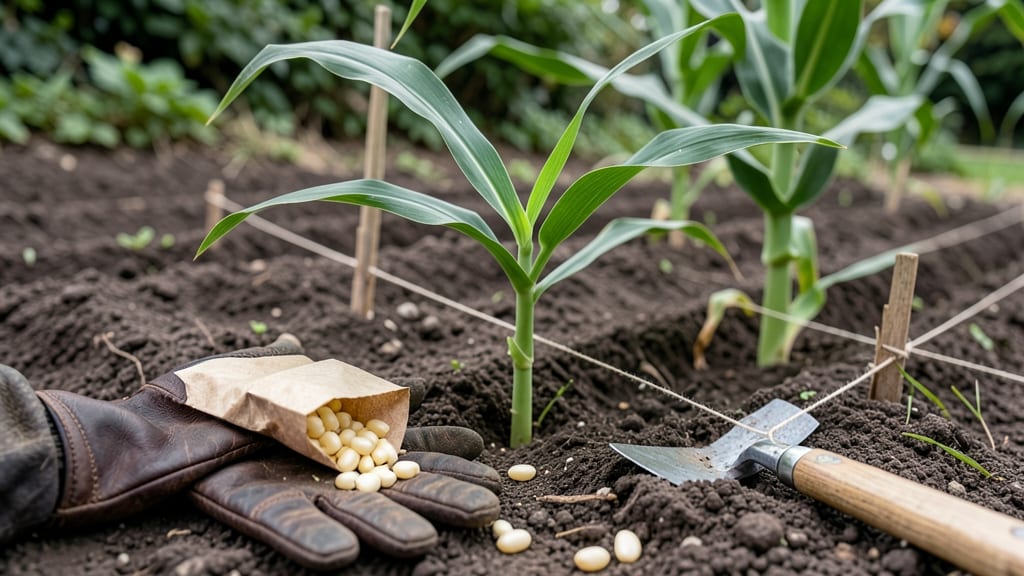
Planting corn in Iowa at the wrong time can turn your 🌽 dreams into a sad, frost-nibbled memory. The difference between a bumper crop and wasted seeds often comes down to those 2-3 critical weeks in spring when the weather plays hide-and-seek with your planting plans.
Iowa's USDA Zones 5a-6b mean you're working with a tight window between last frost (usually around April 15) and soil temperatures hitting that sweet 60°F+ threshold. Get it right, and you're looking at ears of gold by summer.
Miss the mark, and you might be staring at stunted plants or worse—no harvest at all.
What if I told you there's a science to this timing? We're talking about tracking soil temps, adjusting for northern vs. southern Iowa microclimates, and even having backup plans for those late-spring surprises.
Let me walk you through exactly when to plant for maximum yield—and how to handle it when Mother Nature throws you a curveball.
From Iowa State University recommendations to real-world farmer tricks, you'll discover the precise windows that work, plus what to do when your perfect planting date gets pushed back. Your future corn harvest depends on getting this right—and I've got the insider tips to make it happen.
Iowa corn planting calendar: exact dates by USDA Zone 4-5
Corn thrives in Iowa's USDA Zones 4-5, but getting the timing right is critical—late April to mid-May is your ideal window. This period balances soil warmth (50°F+) and frost risk, ensuring strong germination and rapid growth.
Northern Iowa (Zone 4) typically waits until mid-to-late April, while southern regions (Zone 5) can start as early as early April, depending on local microclimates.
Iowa State University Extension recommends using 50°F soil temperature as your baseline—corn seeds need warmth to sprout efficiently.
A soil thermometer is your best tool here; planting too early in cold soil leads to rotten seeds or stunted growth. Last frost dates vary by county, but most of Iowa sees its final freeze around April 15, with northern areas holding off until May 1.
For home gardeners, aim to plant corn 1-2 weeks after your region's average last frost. This buffer accounts for unpredictable late-spring frosts that can devastate young seedlings.
In northern Iowa, where frosts linger longer, consider using black plastic mulch to warm the soil faster and extend your planting window.
Here’s how Iowa’s two distinct regions compare for optimal planting:
| Region | USDA Zone | Optimal Planting Window | Soil Temp Threshold | Last Frost Date (Avg.) |
|---|---|---|---|---|
| Northern Iowa | 4a-4b | Mid-April to early May | 50°F+ | April 25-May 1 |
| Southern Iowa | 5a-5b | Early April to mid-May | 50°F+ | April 10-15 |
| Central Iowa | 5a | Late April to early May | 50°F+ | April 18-22 |
If you’re planting sweet corn varieties, prioritize early-maturing hybrids (maturity group 100-110 days) to ensure harvest before Iowa’s first frost in mid-October. For field corn, later-maturing varieties (110-120 days) can stretch into early fall, but monitor drought stress during summer dry spells.
For urban gardeners with limited space, consider bush corn varieties like 'Golden Bantam,' which mature in 60-70 days and don’t require trellising. These fit well in small plots or containers, though they yield fewer ears per plant.
Always check seed packets for days to maturity and adjust your planting date accordingly.
Pro tip: Use Iowa State University’s Frost Probability Tool to input your ZIP code and get hyper-local frost forecasts. This helps fine-tune your planting schedule beyond generic zone averages.
Pair this with a 30-day weather outlook from the National Weather Service to avoid planting during predicted rainy or windy periods, which can compact soil and delay germination.
Remember, soil preparation is just as critical as timing. Work in compost or aged manure before planting to boost fertility, and ensure your soil has a pH of 6.0-7.0.
Corn is a heavy feeder, so don’t skimp on nutrients—especially nitrogen and phosphorus—to support rapid growth during Iowa’s short growing season.
🌽
How to adjust corn planting for Iowa's unpredictable weather patterns
Iowa’s weather can be as unpredictable as a tornado warning—one day warm and sunny, the next a flash frost that threatens your corn seedlings. The key to success? Flexibility. I’ve learned to plan for delayed springs, sudden cold snaps, and even late-season rain.
Start by monitoring soil temperatures (corn needs at least 50°F to germinate) and adjust your planting window accordingly.
If frost threatens after planting, cover young plants with frost blankets or row covers. These simple tools can protect tender corn seedlings from temperatures as low as 28°F.
I’ve seen gardeners in northern Iowa use this trick to extend their planting window by up to 2 weeks when late frosts hit.
For late springs, consider using black plastic mulch to warm the soil faster. Lay it down 1-2 weeks before planting to create a microclimate that’s 5-10°F warmer than bare soil. This method works especially well in USDA Zone 4a, where cold soils delay germination.
🌱Pro Tip: Plant early-maturing varieties (like Pioneer Brand 33B15) as a backup. These can reach harvest in 85-90 days, giving you a safety net if Mother Nature throws curveballs.
Another strategy? Stagger your planting. Divide seeds into 3 batches and plant them 5-7 days apart. This ensures a steady harvest even if weather disrupts one planting. I’ve used this method in southern Iowa to avoid losing an entire crop to a single hailstorm.
🌿Watch Out: Over-relying on chemical warmers can backfire. While they speed up germination, they also dry out soil. Always pair them with consistent watering to prevent seedling stress.
Finally, keep a backup planting date in mind—usually mid-June for most Iowa regions. If your primary planting fails, this gives you a second chance. Just be prepared for smaller yields, as late-planted corn may not fully mature before frost.