
Plants
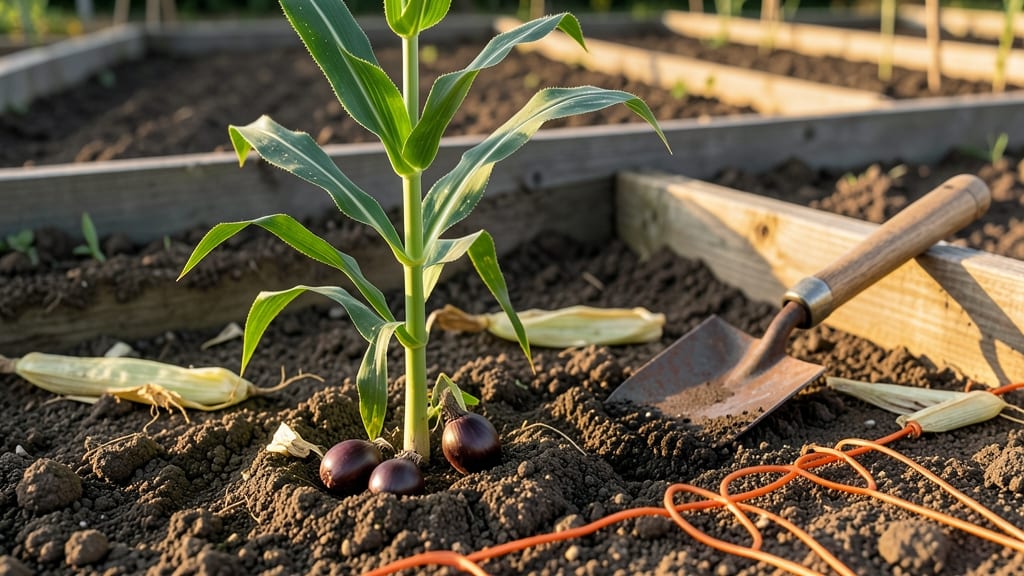
Timing your 🌽 corn planting in Idaho could mean the difference between a bumper crop and a total flop—especially when frost dates vary wildly from Boise’s valleys to the high desert. The wrong move, and you’ll either waste seeds on early frosts or rush a harvest before kernels mature properly.
Most Idaho gardeners swear by planting between mid-April and early June, but that window shifts depending on your USDA zone (5b-7b) and whether you’re growing early, mid, or late varieties.
Skip the guesswork: I’ll break down the exact frost-free periods for your area and how to adjust for microclimates that can add or subtract 2-3 weeks from your planting schedule.
Here’s the kicker: even experienced growers mess up by planting too early (risking frost damage) or ignoring soil temps below 60°F.
I’ll show you how to nail the perfect timing—plus the 3 biggest mistakes Idaho gardeners make and how to avoid them for a harvest that’ll make your neighbors jealous.
Ready to turn your backyard into a cornfield goldmine? Let’s get those seeds in the ground at the right moment—no more wasted effort, just sweet, plump ears by summer’s end.
Idaho corn planting dates by USDA Zone: exact frost-free windows for optimal growth
Timing is everything when growing corn in Idaho, where USDA Zones 4-7 create wildly different growing conditions. Plant too early, and a late frost will kill your seedlings. Plant too late, and your ears won’t mature before fall frost.
Let’s break down the exact frost-free windows for each zone so you can choose the right corn varieties and planting dates.
Idaho’s last frost dates range from mid-April in Zone 7 (southwest valleys) to early June in Zone 4 (northern mountains). Meanwhile, first frost arrives as early as mid-October in high deserts (Zone 6) or as late as early November in river valleys (Zone 7).
These variations mean your 120-day corn might thrive in Boise but fail in Coeur d’Alene.
Before planting, check your soil temperature—corn needs at least 50°F (10°C) for germination, but roots grow best when soil hits 60°F (15°C). Use a soil thermometer to confirm readiness, especially in Zone 5 and cooler, where chilly nights delay warming.
🌽 Idaho Corn Planting Guide by USDA Zone
| Zone | Last Frost Date | Planting Window | Soil Temp. Goal | Recommended Variety |
|---|---|---|---|---|
| Zone 4 (North Idaho) | Early June | Late May–early June | 60°F+ (15°C+) | Early maturing (85–95 days): 'Early Sunglow', 'Golden Bantam' |
| Zone 5 (Central Idaho) | Mid-May | Late April–mid-May | 55°F+ (13°C+) | Medium maturing (95–110 days): 'Silver Queen', 'Country Gentleman' |
| Zone 6 (Snake River Plain) | Early May | Mid-April–early May | 50°F+ (10°C+) | Standard maturing (110–120 days): 'Peaches and Cream', 'Bodacious' |
| Zone 7 (Southwest Idaho) | Mid-April | Late March–mid-April | 50°F+ (10°C+) | Late maturing (120+ days): 'Ambrosia', 'Black Aztec' |
💡 Pro Tip: For Zone 6 and 7, consider succession planting every 2 weeks to extend harvests through September.
For Zone 4 and 5, prioritize short-season varieties (under 100 days) to avoid fall frost. In Zone 6 and 7, you can afford longer-maturing varieties like 'Peaches and Cream', which yields sweet ears even in Idaho’s dry heat.
Always match your corn’s maturity days to your frost-free window—subtract 10 days for safety.
If you’re in a high-desert area (Zone 6+), where nights stay cool, opt for drought-tolerant hybrids like 'Pioneer Brand 39T21'. These varieties handle lower humidity and hot days better than traditional sweet corn.
Test your soil’s moisture retention—corn needs 1-2 inches of water weekly, but sandy soils dry out faster.
One critical mistake is planting based on calendar dates instead of frost data. Check your local Cooperative Extension Service for updated frost maps—Idaho’s microclimates can shift frost dates by weeks. For example, Boise’s urban areas may frost 10 days later than rural areas just 20 miles away.
To stretch your growing season, use black plastic mulch or row covers to warm soil and protect seedlings. In Zone 4, start seeds indoors 4-6 weeks before the last frost and transplant after soil warms.
For Zone 7, you can even plant a late summer crop in August for a fall harvest before frost.
Remember: Corn needs consistent warmth to pollinate. If nights dip below 55°F (13°C) during tasseling (when pollen forms), you’ll get poor ear development. Monitor your plants closely—drought stress or temperature swings can cause barren ears or uneven maturity.
🌱 For maximum yields, aim to plant when your soil is 60°F+
How to adjust corn planting time for Idaho’s microclimates: river valleys vs. high desert
Idaho’s microclimates can shift your corn planting window by weeks. The Snake River Plain bakes under dry heat, while mountain valleys stay cooler longer. Even Boise’s urban heat islands can push planting dates earlier. Understanding these differences ensures your corn thrives—not just survives.
In Zone 5b-6a (northern Idaho), like Coeur d’Alene or Sandpoint, wait until late May to plant. These areas face late spring frosts and cooler soils. Meanwhile, Zone 7b (Boise, Twin Falls) can start as early as mid-April if soil warms quickly. The key? Soil temperature—not just air temperature.
| Microclimate | Planting Window | Soil Prep Tip | Best Varieties |
|---|---|---|---|
| High Desert (Zone 6b-7b) | Mid-April to early May | Use black plastic mulch to warm soil | ‘Golden Bantam’, ‘Silver Queen’ |
| River Valleys (Zone 6a-7a) | Late April to mid-May | Add compost for moisture retention | ‘Peaches and Cream’, ‘Ambrosia’ |
| Mountainous (Zone 5b-6a) | Late May to early June | Plant near south-facing slopes | ‘Early Sunglow’, ‘Country Gentleman’ |
For high desert areas like Twin Falls, use black plastic mulch or row covers to raise soil temps. These tricks let you plant 2 weeks earlier safely. In valleys, focus on water retention—corn needs 1-2 inches of water weekly, but sandy soils dry fast.
If you’re in Zone 7b, opt for early-maturing varieties (60-75 days). ‘Golden Bantam’ (85 days) works in valleys but risks frost in deserts. Always check your last frost date—Idaho’s can vary by 30 days between regions.
Pro tip: Test soil depth with a thermometer. Corn roots need 60°F+ soil for germination. If it’s cooler, delay planting—cold soil stunts growth. Use a soil warming blanket in late spring for a head start.
Adjusting for microclimates isn’t just about dates—it’s about survival strategies. In dry heat, prioritize drought-tolerant varieties like ‘Ambrosia’. In cooler zones, extend the season with row covers or greenhouses. Your corn’s success hinges on these local tweaks.
🌽