
Plants
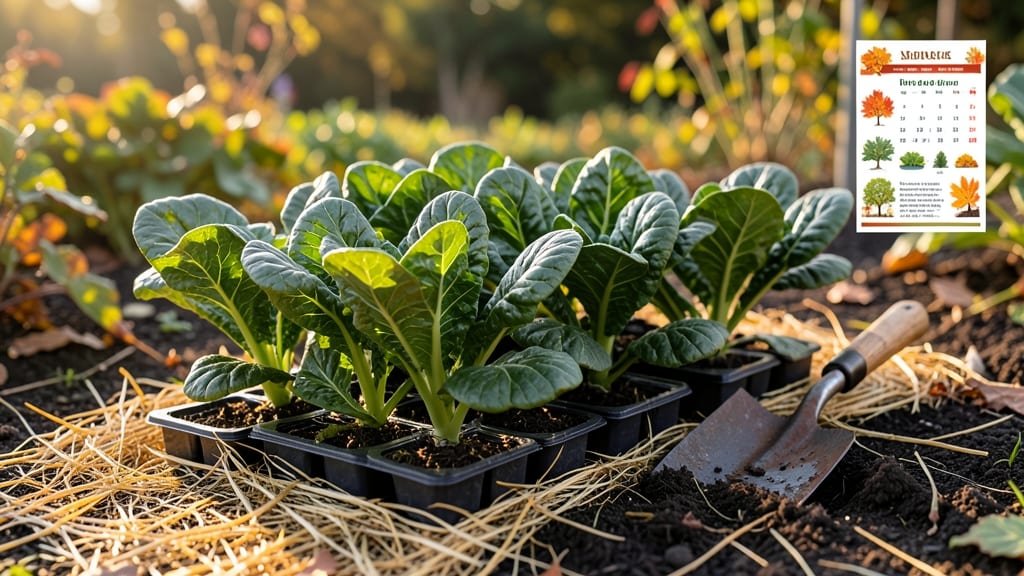
When to plant collards in Mississippi can make or break your harvest—get the timing wrong, and you’ll either lose them to heat or frost before they’re ready. This isn’t just about throwing seeds in the ground and hoping for the best. Mississippi’s 8a climate demands precision: plant too early, and bolting (premature flowering) will ruin your harvest; too late, and summer’s sweltering heat will stunt growth before you even get started.
I’ve grown collards here for years, and the key is knowing exactly when to start—whether you’re aiming for a spring harvest or a fall crop that sweetens with frost.
Let me walk you through the perfect planting windows, soil prep secrets, and how to avoid common mistakes so you end up with a garden full of crisp, flavorful greens.
Ready to stop guessing and start growing? Here’s your step-by-step guide to planting collards in Mississippi for a foolproof harvest.
Mississippi heat zone planting timeline for collards (with frost date adjustments)
Mississippi’s USDA zones 7b-9a create a unique challenge for growing collard greens—too early, and your plants bolt; too late, and summer heat stresses them. The key is planting when soil temps stay below 85°F and frost risks are minimal.
For most of Mississippi, this means two ideal windows: early spring and late summer.
In northern Mississippi (Zone 7b), aim for February 15–March 15 for spring plantings. Southern areas (Zones 8a-9a) can start as early as January 15 but must finish by March 31 to avoid summer heat. The second window—August 1–September 15—ensures fall harvests before frost.
Here’s how Mississippi’s average frost dates shape your timeline: Northern regions face last frosts around March 15, while southern areas see them by February 28. First frosts typically hit November 15 statewide, so late-summer plantings must mature before then.
Pro Tip: Use shade cloth if planting in late summer to protect young seedlings from 90°F+ heat. Varieties like 'Georgia Southern' tolerate heat slightly better than 'Blue Max', which bolts faster in warm soil.
For northern Mississippi gardeners in Zone 7b, March is your last chance for spring plantings. If you miss it, wait until August 15 to avoid summer’s peak heat. Southern gardeners in Zones 8a–9a can push spring plantings to April 15 but must finish by then to prevent bolting.
Mississippi’s humidity and heat demand extra care during late-summer plantings. Use drip irrigation to keep soil moist without wetting leaves, which can trigger fungal diseases like downy mildew. Mulch with straw or pine needles to retain moisture and regulate soil temperature.
If you’re new to collards, start with transplants instead of seeds—they establish faster in Mississippi’s short growing windows. Look for 6–8 week old seedlings at local nurseries, and harden them off for 3–5 days before transplanting to avoid shock.
Remember: Collards taste sweeter after frost, so late-summer plantings reward you with richer flavor in fall. Just ensure they mature before November 15, Mississippi’s average first frost date. For a winter harvest, use row covers to extend the season.
🌱
Mississippi heat zone planting timeline for collards (with frost date adjustments)
Mississippi’s USDA zones 7b-9a create a unique challenge for collard growers—too early, and your plants bolt; too late, and summer heat stunts growth. The ideal planting window depends on whether you're targeting a spring or fall harvest, with soil temperatures playing a critical role.
For most of the state, aim to plant 4-6 weeks before your average last frost date (typically February 15-March 15 for spring crops) or August 1-September 15 for fall harvests.
I’ve found that soil temperature is more important than air temperature—collards thrive when soil stays between 60-75°F. Use a soil thermometer to confirm readiness before planting.
In southern Mississippi (zone 9a), you can push spring planting to March 1-April 1, while northern areas (zone 7b) should start earlier to avoid heat stress. Let’s break down the exact timing for each zone and season.
🌱 Mississippi Collard Planting Timeline
| Season | Planting Window | Soil Temp | Notes |
|---|---|---|---|
| Spring | Feb 15 - Mar 15 | 60-75°F | Zone 7b: Start by Feb 1; Zone 9a: Can push to Mar 31 |
| Late Summer | Aug 1 - Sep 15 | 70-80°F | Succession plant every 2 weeks for fall harvest |
| Fall | Sep 15 - Oct 15 | 65-75°F | Avoid planting after Oct 15 in Zone 7b |
For spring planting, Mississippi’s unpredictable frost dates mean you should have transplants ready by March 1 in most areas. Start seeds indoors 6-8 weeks before your target transplant date if you’re using seedlings.
In my garden, I’ve had success with 'Georgia Southern' variety—it handles Mississippi’s heat better than some others once established.
When aiming for a fall harvest, focus on late summer succession plantings. Plant the first batch around August 1, then add new rows every 2-3 weeks until September 15.
This staggered approach ensures you have fresh collards from October through December, when they develop their signature frost-sweetened flavor. Just be mindful of hurricane season—secure your plants if storms are forecasted.
Mississippi’s heat tolerance threshold for collards is about 85°F. If daytime temperatures consistently exceed this, your plants will struggle. Use shade cloth (30-50%) during peak summer months if you must plant early or late.
I’ve also had success with drip irrigation in the afternoons to keep soil cool and plants hydrated during heatwaves.
Remember, harvest timing is just as critical as planting. Collards take 40-80 days to mature, but you can start harvesting outer leaves as soon as they reach 6-12 inches. This encourages continuous growth—something I learned the hard way by waiting too long and getting bitter leaves!
For Mississippi’s climate, plan to harvest your spring crop by April-May and fall crops from October-November.