
Plants
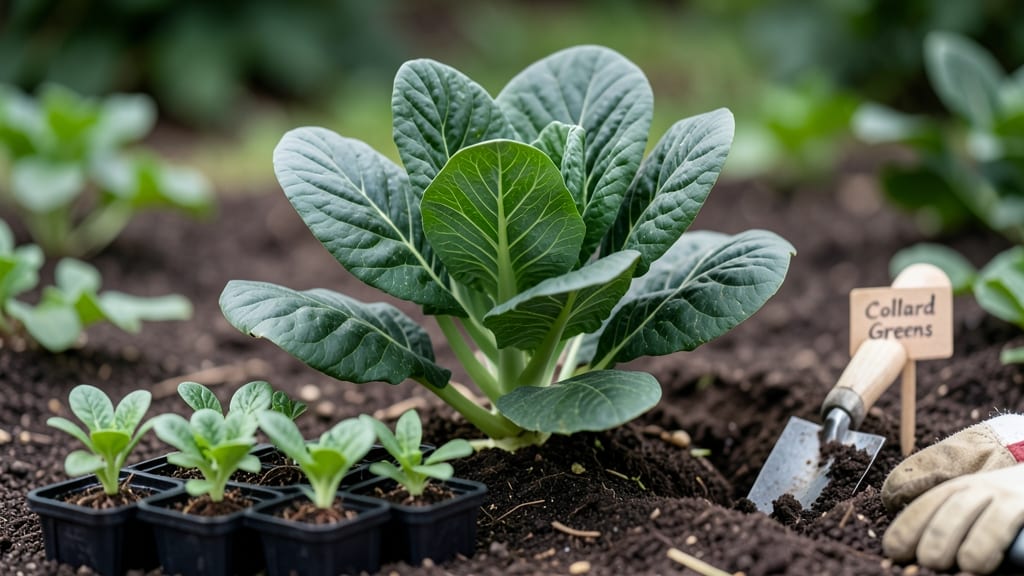
Planting collard greens at the wrong time in North Carolina can turn your garden dreams into a sad, wilted mess—especially when summer heat sends them bolting before you even taste their first harvest.
The key to lush, productive 🌱 collards lies in timing them perfectly with your local heat zone, not just the calendar.
If you’ve ever watched your collards turn bitter or flower too soon, you know how frustrating it can be.
But here’s the good news: with the right planting windows—typically late spring through early summer for coastal areas and early fall for inland zones—you can enjoy fresh greens from summer straight through winter. I’ll show you exactly when to start seeds and transplant based on NC’s unique climate quirks.
What most gardeners miss is how soil temperature and regional microclimates (like Piedmont’s humidity vs. the Mountains’ cooler nights) change the game. Whether you’re in USDA Zone 7 or 8, I’ll break down the optimal planting months and how to stretch your harvest season longer than you thought possible.
Ready to grow collards that thrive all season? Let’s dive into the exact schedule—plus care tips—to keep your greens happy, healthy, and ready to harvest from summer right into winter’s chill.
North Carolina heat-Zone map: best planting months by region
North Carolina’s diverse climate—from the Coastal Plain to the Mountain region—creates distinct planting windows for collard greens. The key is timing your plantings to avoid bolting during summer heat while maximizing cool-season growth. Here’s how to align your schedule with NC’s USDA zones 7b-8a and microclimates.
Collard greens thrive when soil temperatures stay between 45°F and 75°F. In NC, this means focusing on fall and early spring plantings, with adjustments based on your region.
Coastal areas (like Wilmington) can push slightly later due to milder winters, while the Mountains (Asheville) need earlier starts to avoid frost damage.
🌱Pro Tip: Use your last frost date as a guide—plant collards 4-6 weeks before the first frost for a fall harvest, or 2-3 weeks after the last frost in spring.
| Region | USDA Zone | Best Planting Window | Soil Temp Threshold | Notes |
|---|---|---|---|---|
| Coastal Plain (e.g., Wilmington) | 8a | Late July–August (fall) / March–April (spring) | 50°F–65°F | Longer growing season; can extend to early June |
| Piedmont (e.g., Raleigh, Charlotte) | 7b | Mid-August–September (fall) / February–March (spring) | 45°F–60°F | Classic "fall crop" zone; avoid summer heat |
| Mountains (e.g., Asheville, Boone) | 6b | July–early August (fall) / April (spring) | 40°F–55°F | Shorter season; prioritize early fall starts |
For Coastal NC, you can even squeeze in a late-summer planting (June) if you provide shade cloth during peak heat (90°F+). However, the Piedmont and Mountains should avoid summer plantings entirely—they’ll bolt faster than you can harvest.
🌡️Soil Temperature Tip: Use a soil thermometer to confirm readiness. Collards won’t germinate well below 50°F, even if air temps are cool. Wait for consistent 55°F+ soil temps before sowing seeds.
In USDA Zone 7b (most of NC), aim for these two primary windows:
- Fall: August 15–September 15 (harvest before first frost, typically late November).
- Spring: March 1–April 15 (harvest through summer before bolting).
If you’re in a mild microclimate (e.g., near the coast or in a sheltered valley), you might extend your spring window into early May—but monitor temps closely. A single 80°F+ day can trigger bolting within weeks.
💡Advanced Tip: Use black plastic mulch to warm soil faster in spring or straw mulch to insulate roots in fall. This can shift your planting window by 1–2 weeks in either direction.
North Carolina heat-Zone map: best planting months by region
North Carolina’s diverse climate—from the humid Coastal Plain to the cooler Mountain regions—means your collard greens planting schedule must adapt. The USDA zones 7b-8a across the state create microclimates where timing is everything.
Plant too early, and frost zaps tender seedlings; too late, and summer heat triggers bolting (flowering) before harvest.
For zero-bolting success, aim for soil temperatures between 50°F and 85°F. Coastal areas (like Wilmington) can start 6-8 weeks before last frost (mid-March), while Mountain regions (Asheville) should wait until mid-April to May.
The Piedmont (Raleigh/Durham) falls in between, with ideal windows from late March to early April and August for fall crops.
🌱 North Carolina Collard Greens Planting Guide by Region
| Region | USDA Zone | Best Planting Months | Soil Temp Threshold | Key Notes |
|---|---|---|---|---|
| Coastal Plain | 7b-8a | Mid-March–April, August–September | 50°F–65°F | Humidity-friendly; mulch to prevent bolting. |
| Piedmont | 7a-7b | Late March–April, August | 55°F–70°F | Moderate heat; use shade cloth in July. |
| Mountains | 6b-7a | April–May, July–August | 60°F–75°F | Longer growing season; extend with row covers. |
Use your last frost date as a baseline—check the NC State Climate Office for local data. For example, Asheville’s last frost averages April 15, while Wilmington’s is March 1. Plant 4-6 weeks before this date for spring crops, and 8-10 weeks before first frost (mid-October) for fall harvests.
Pro tip: Soil thermometers are your best friend. Collards won’t germinate well below 50°F, and above 85°F, they’ll bolt faster than a rabbit in a garden. In Zone 8a (Coastal), you can even try late-summer plantings (July) for a fall-winter harvest before cold sets in.
For year-round success, pair your planting schedule with succession planting—more on that in the next section! Just remember: Coastal = earlier, Mountains = later, and Piedmont = Goldilocks timing.
🌿