
Plants
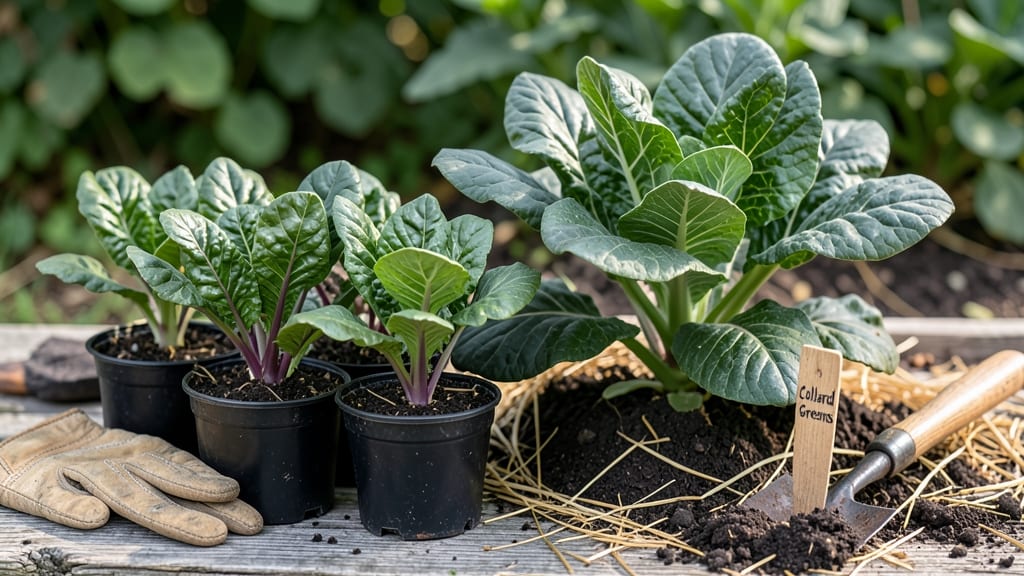
Planting collard greens in Georgia at the wrong time can mean the difference between a bountiful harvest of 🥬 and wilted disappointment. With Georgia's unique climate—where mild winters and scorching summers collide—getting the timing right is key to avoiding bolted plants or frost damage.
Most gardeners in zones 7b-8b know fall is the prime time, but did you know spring planting also works if you start early? The secret lies in understanding your last frost date—typically mid-March—and planning 6-8 weeks before that for a head start.
I'll show you exactly when to plant for both seasons so you can enjoy fresh greens from May through November.
What makes collard greens such a gardener's dream? They thrive in Georgia's heat and cold, giving you two harvest opportunities in one year. Whether you're a beginner or a seasoned pro, these planting windows will help you maximize your garden's potential without the guesswork.
Ready to grow collards that last all season? Let's dive into the best months to plant, soil prep tips, and how to stretch your harvest from spring straight into fall—no matter what Georgia's weather throws your way.
Best planting windows for collard greens in Georgia’s climate zones
Georgia’s USDA zones 7b-8b offer two perfect windows to grow collard greens: spring and fall. Unlike many vegetables, collards thrive in cooler weather, making them ideal for Georgia’s mild winters. The key is planting at the right time to avoid heat stress or early frost damage.
For spring planting, aim for late February to early March. This gives seedlings time to establish roots before Georgia’s average last frost date (mid-March in most areas). Fall planting should occur between August and early September to ensure a harvest before the first frost in mid-November.
Collards are cold-hardy and can even survive light frosts, but they won’t tolerate prolonged freezing temperatures. In Georgia’s warmer southern regions (zone 8b), you can sometimes extend planting into early November for a winter harvest.
Here’s how Georgia’s two main planting windows break down for maximum yield:
| Planting Window | Ideal Months | Key Considerations | Harvest Timeline |
|---|---|---|---|
| Spring Planting | Late February - Early March | Avoid bolting from heat; mulch to retain moisture | May - June |
| Fall Planting | August - Early September | Extend season with row covers; protect from early frost | October - November |
| Winter Planting (Zones 8b) | Early November | Use mulch for insulation; harvest before hard freezes | December - Early January |
Direct sowing is possible, but transplanting seedlings (purchased or homegrown) gives you a head start. For spring, start seeds indoors 6-8 weeks before your last frost date. In Georgia, this typically means mid-January for most regions.
Soil temperature plays a critical role. Collards germinate best in soil that’s 50-70°F. In Georgia’s heat, fall planting often yields better results because summer temperatures can stress young plants. If you plant in late summer, use shade cloth to protect seedlings from intense sun.
For succession planting, sow new seeds every 2-3 weeks during your chosen window to ensure a continuous harvest. This works especially well for fall plantings, where staggered sowings can extend your harvest into late winter.
Always choose cold-hardy varieties like 'Georgia Southern' or 'Top Bunch' for Georgia’s climate. These varieties handle temperature fluctuations better than heat-sensitive types. Pair your planting with well-draining soil (pH 6.0-6.8) and consistent moisture for the best results.
With the right timing, you can enjoy homegrown collards for nearly half the year—from spring through winter. The key is starting early enough to avoid summer’s heat while capturing fall’s cooler temperatures for optimal growth.
Best planting windows for collard greens in Georgia’s climate zones
Georgia’s USDA zones 7b-8b offer two prime planting windows for collard greens: late winter/early spring and summer/early fall. Each season has unique advantages—spring gives you an early harvest, while fall extends your growing season into winter.
The key is planting 6-8 weeks before your last frost date (mid-March) for spring or 6-8 weeks before your first frost (mid-November) for fall.
For most of Georgia, this means starting seeds indoors by late February for spring transplants or sowing directly outdoors in August for fall harvests. Transplanting young seedlings (4-6 weeks old) gives them a head start, especially in Georgia’s heat.
I’ve grown collards in both seasons, and the fall crop always surprises me with its cold hardiness—even through light frosts!
Why timing matters: Planting too early in spring risks bolting (going to seed) from heat stress, while late summer plantings may not mature before frost. Georgia’s hot, humid summers also make direct sowing in June-July risky—collards prefer cooler weather. Let’s break down the best windows by season.
| Season | Planting Window | Transplant vs. Direct Sow | Harvest Window | Key Tip |
|---|---|---|---|---|
| Spring | Late February - Early March | Transplant (4-6 wks old) | May - June | Start indoors to avoid heat stress |
| Fall | August - Early September | Direct sow or transplant | October - November | Use row covers for winter protection |
| Winter (Zone 8b) | October - November | Direct sow after frost | December - February | Mulch heavily for frost tolerance |
In Zone 7b, where frosts are more common, I recommend focusing on fall planting (August-September) for a reliable harvest. The cooler temperatures prevent bolting, and collards actually sweeten in response to frost—a bonus for flavor!
For Zone 8b, you can experiment with winter planting (October-November) if you’re willing to protect your plants with mulch or row covers.
Pro tip: Use ‘Georgia Southern’ or ‘Top Bunch’ varieties—they’re bred for Georgia’s climate and handle both heat and cold better than standard collards. I’ve had success with both, but ‘Georgia Southern’ matures faster in our heat. Always choose healthy, disease-free seedlings from local nurseries to avoid transplant shock.
Remember, collard greens are biennials, meaning they’ll often overwinter and produce again the next year if protected. This makes them a low-maintenance perennial in Georgia’s mild winters—just keep them mulched and watered! 🌱