
Plants
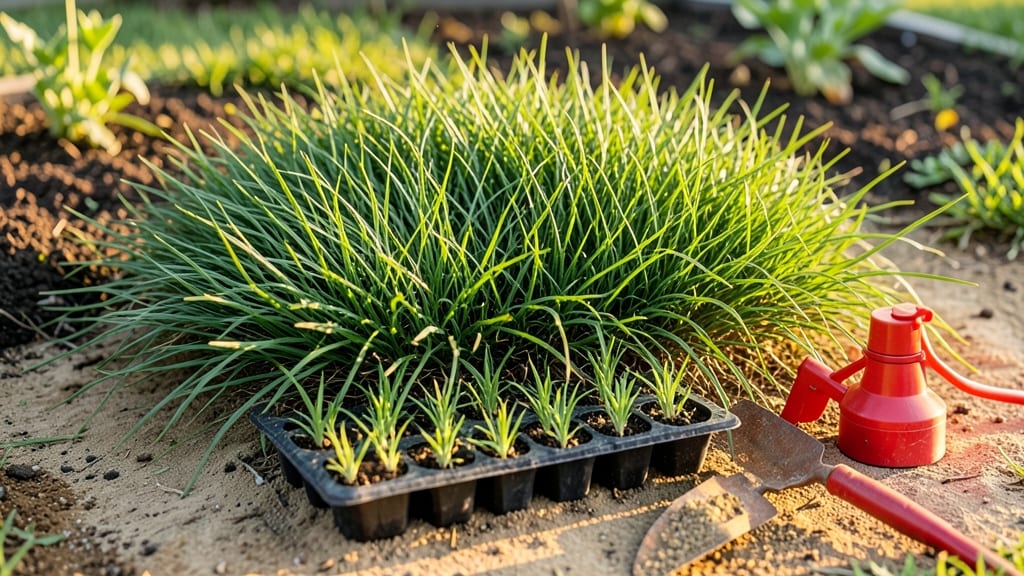
Planting Coastal Bermuda Grass hay in Texas 🌱 at the wrong time can turn your pasture dreams into a sweaty, sun-scorched nightmare—especially when summer hits with its 100°F+ heat.
The difference between lush, drought-resistant forage and struggling seedlings often comes down to those critical planting windows that align with Texas' brutal climate.
I’ve seen firsthand how a few weeks off schedule can mean the difference between thick, healthy grass and patchy, weak growth that struggles to recover.
Whether you’re in the Gulf Coast’s humid heat or Central Texas’ drier climate, timing isn’t just about the calendar—it’s about beating the heat before it beats your plants.
In this guide, I’ll break down the exact deadlines for planting Coastal Bermuda Grass in Texas, so you can establish strong roots before summer’s peak. You’ll also learn how to prep your soil, water smartly, and avoid common mistakes that kill plantings before they even take hold.
Let’s get your pasture thriving—fast—with the right moves for Texas heat.
Texas heat Zone planting deadlines for coastal hay success
Timing your Coastal Bermuda grass planting is critical in Texas, where heat zones dictate success. The Gulf Coast region (Zone 9a-10a) has longer frost-free windows than North Texas, meaning different planting deadlines. Get it wrong, and you risk seedling stress or poor establishment before summer's peak.
Texas stretches across three distinct heat zones, each with unique soil temperature thresholds for germination. Coastal areas like Corpus Christi and Houston can plant earlier in spring than Dallas or Lubbock. The key is planting when soil temps reach 65°F—consistently—for at least 7 days.
For spring plantings, aim for late February to early April in South Texas, but wait until mid-April in North Texas. Fall plantings should happen August to September to allow 4-6 weeks of growth before cool weather slows development.
Here’s how Texas’ three regions differ in planting windows:
| Region | USDA Zone | Spring Planting Window | Fall Planting Window | Soil Temp Threshold |
|---|---|---|---|---|
| South Texas (Gulf Coast) | 9a-10a | Late February–Early April | August–September | 65°F (consistent) |
| Central Texas | 8a-9a | Mid-March–Early April | Late August–Early September | 68°F (consistent) |
| North Texas | 7b-8a | Mid-April–Early May | Late August–Mid-September | 70°F (consistent) |
Miss these windows, and you risk seedling heat stress or dormancy before roots establish. For example, planting in May in South Texas means seedlings face 100°F+ soil temps within weeks, stunting growth. Use a soil thermometer to confirm readiness—65°F+ is non-negotiable for germination.
Coastal Bermuda thrives in full sun and well-drained soil, but timing matters more than anything. Spring plantings should happen 6-8 weeks before summer’s peak (typically mid-June in Texas), while fall plantings need 4-6 weeks before first frost (rare in coastal areas but possible in North Texas).
Pro tip: In North Texas, where first frosts can hit December, aim for late August plantings to ensure roots establish before cool weather slows growth. Coastal areas like Galveston can plant until early October with minimal frost risk.
Don’t overlook microclimates. A shaded area near a building may stay cooler, delaying planting by 1-2 weeks compared to open fields. Use this to your advantage—plant shaded spots last if starting late.
Finally, watering schedules shift with planting time. Newly seeded areas need daily watering for the first 2-3 weeks, but established grass tolerates weekly deep watering. Adjust based on your region’s rainfall patterns—South Texas may need less supplemental water than West Texas.
With the right planting window, your Coastal Bermuda will establish deep roots before summer’s heat peaks, giving you a drought-resistant pasture year-round. 🌱
Texas heat Zone planting deadlines for coastal hay success
Texas' diverse heat zones demand precision when planting Coastal Bermuda grass. The Gulf Coast (Zone 9a-10a) has a longer growing window than North Texas (Zone 8a), so timing varies dramatically.
Plant too early, and seedlings face freeze damage; too late, and summer's 100°F+ heat stalls germination. Let's break down the critical deadlines by region to maximize your pasture's drought resistance.
For North Texas (Amarillo to Dallas), aim for late February to early April when soil temps hit 60°F+. This region's hard freezes (below 20°F) make spring planting riskier. Fall planting (August-September) is safer, letting grass establish before winter.
In Central Texas (Austin to San Antonio), you've got until mid-April for spring, thanks to milder winters, but August remains ideal for fall establishment.
Southern Texas gardeners (Houston to Brownsville) enjoy year-round planting opportunities, but September-October delivers the best results. The Gulf Coast's humidity and warm soils mean faster germination, but hurricane season (June-November) adds a layer of risk. Always plant 4-6 weeks before the first expected frost or storm surge warning.
🌱 Texas Coastal Hay Planting Deadlines by Region
| Region | Spring Window | Fall Window | Soil Temp Requirement | Key Risk |
|---|---|---|---|---|
| North Texas (Zone 8a) | Late Feb - Early Apr | Aug - Early Sep | 60°F+ | Late freezes |
| Central Texas (Zone 8b) | Early Mar - Mid-Apr | Aug - Mid-Sep | 65°F+ | Summer drought |
| South Texas (Zone 9a-10a) | Mar - Early May | Sep - Oct | 70°F+ | Hurricane season |
💡 Pro Tip: Use a soil thermometer to confirm temps before planting—Coastal Bermuda needs consistent warmth to germinate.
Beyond deadlines, microclimates matter. Coastal areas near Galveston Bay stay warmer longer, while Hill Country spots can drop 20°F colder at night. If you're near elevated terrain, plant 2 weeks later than coastal deadlines.
For urban heat islands (like Houston), you can push spring planting 1-2 weeks earlier—just monitor soil temps closely.
Don't overlook moon phases either! Planting during the waxing moon (when roots grow upward) can boost establishment. For Texas, this typically aligns with March-April spring plantings and September fall plantings. Pair this with early morning planting (before 10 AM) to reduce seed desiccation from afternoon heat.
Remember: Coastal Bermuda grass thrives on heat, but seedlings need gentle conditions to start. By following these region-specific deadlines, you'll give your pasture the best shot at outpacing Texas' summer intensity—not fighting it. 🌡️