
Plants
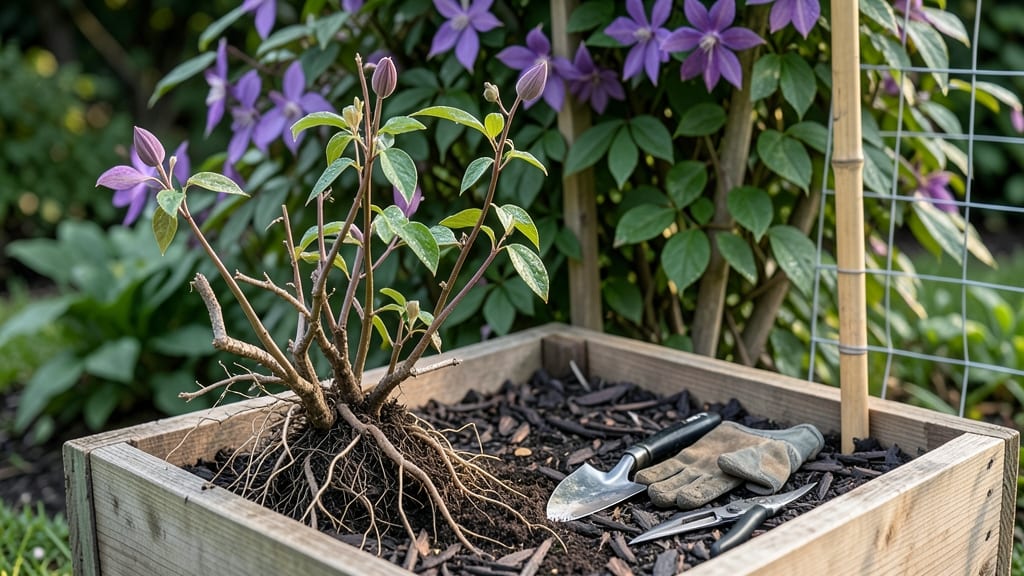
Timing your clematis planting in Zone 8 could mean the difference between vibrant blooms and struggling vines—especially when you’re dealing with late frosts or scorching summers. The perfect window isn’t just about the calendar; it’s about reading your local microclimate, whether you’re near the coast or inland.
Most gardeners in Zone 8a-8b swear by planting their 🌸 clematis in late winter to early spring, but there’s a trickier option: early fall.
I’ll break down why one might work better than the other for your specific variety—and how to avoid the three biggest mistakes that kill clematis before they even take root.
You might think all clematis are the same, but early bloomers like ‘Jackmanii’ need a different approach than late-season stars like ‘Nelly Moser.’
I’ll show you exactly how to adjust your planting strategy based on when your vines will burst into color, so you’re not left with flops instead of flowers.
Ready to plant with confidence? Let’s dive into the science-backed months, soil secrets, and support systems that’ll have your clematis thriving—no guesswork required.
Optimal planting months for clematis in Zone 8: science-backed timing
Timing your clematis planting in Zone 8 requires precision—too early risks frost damage, while waiting too long stunts root growth. The ideal window spans late winter to early spring (February–March) or early fall (September–October), aligning with soil temperatures and dormancy cycles.
For Zone 8a (colder microclimates), aim for March 15 after last frost, while Zone 8b gardeners can plant as early as February 28.
Clematis thrives when planted during dormancy, when roots establish before active growth. In Zone 8, soil temperatures should reach 45–55°F—perfect for root development without premature sprouting.
Fall planting (September–October) offers a second chance, allowing roots to settle before winter. Just avoid planting after November 1, when first frost arrives in most Zone 8 regions.
Your clematis variety also dictates timing. Early bloomers (e.g., 'Jackmanii') need late winter planting to establish roots before spring growth, while late bloomers (e.g., 'Nelly Moser') can tolerate early fall planting. Below, see the science-backed timeline for Zone 8 success.
| Planting Window | Soil Temp | Frost Risk | Best For |
|---|---|---|---|
| Late Winter (Feb 28–Mar 15) | 45–55°F | Low (post-frost) | Early bloomers |
| Early Spring (Mar 15–Apr 15) | 50–60°F | None | All varieties |
| Early Fall (Sep 1–Oct 15) | 55–65°F | Low (pre-frost) | Late bloomers |
For bare-root clematis, plant as soon as roots are pliable (not dry or rotted). Soak roots for 1–2 hours before planting to rehydrate. In containers, transplant anytime roots fill the pot, but prioritize spring or fall to avoid transplant shock during Zone 8’s heat.
Pro tip: Use compost-rich soil and a support trellis before planting—clematis vines grow 6–12 inches per week once established!
Microclimates matter! Coastal Zone 8 areas (e.g., San Diego) have milder winters, allowing November planting, while inland zones (e.g., Phoenix) should plant by October 15 to avoid heat stress. Always check your last frost date—local nurseries or USDA maps are your best tools.
After planting, mulch with 3–4 inches of organic mulch (straw or shredded bark) to retain moisture and regulate soil temperature. Water deeply once weekly for the first month, then taper to bi-weekly once roots establish. Avoid overhead watering to prevent fungal diseases like powdery mildew—critical in Zone 8’s humidity.
Prune dead or crossing stems immediately after planting to encourage strong growth. For early bloomers, prune lightly in early spring; for late bloomers, wait until late winter after flowering. This ensures next year’s blooms aren’t sacrificed for this year’s.
Remember: Clematis in Zone 8 rewards patience. Planting at the right time means vibrant blooms from spring to fall and vines that climb 10–20 feet—turning your garden into a living tapestry. Start with the 4–6 week window, and your clematis will thrive for decades.
Optimal planting months for clematis in Zone 8: science-backed timing
Timing your clematis planting in Zone 8 hinges on two key factors: soil temperature and frost risk.
The ideal window spans late winter to early spring (February through March) when the ground thaws but before the last frost—typically March 1-15 in Zone 8b. This timing ensures roots establish before summer heat arrives, while avoiding frost damage that can kill tender new growth.
For bare-root clematis, aim to plant as soon as soil is workable (around 50°F). Container-grown plants can tolerate slightly cooler soil, giving you a 2-3 week buffer if spring arrives late.
Early fall (September-October) is your second chance, but only if you’re planting dormant bare-root varieties—never container plants after mid-October.
| Season | Best Planting Window | Soil Temp | Key Consideration |
|---|---|---|---|
| Late Winter | February (bare-root only) | 45-50°F | Risk of frost; protect with mulch |
| Early Spring | March (primary window) | 50-60°F | Best for root establishment |
| Early Fall | September-October | 60-65°F | Dormant bare-root only; 6+ weeks before frost |
Zone 8’s microclimates demand adjustments: Coastal areas (like San Francisco) can plant 2-3 weeks earlier thanks to milder winters, while inland zones (like Austin) should delay until mid-March to avoid late frosts.
Always check your local last frost date—planting too soon risks root rot from cold, soggy soil.
Pro tip: Test your soil’s moisture and temperature before planting. Stick a thermometer 6 inches deep—if it’s consistently above 50°F for 3+ days, it’s safe. For container-grown clematis, wait until nighttime temps stay above 45°F to prevent shock.
Your clematis variety also matters: Early bloomers (like 'Jackmanii') need earlier planting to establish roots before summer, while late bloomers (like 'Nelly Moser') can wait until mid-March.
Always pair planting with a support structure—clematis vines grow 3-5 feet per year, and retrofitting trellises later causes stress.
Remember: Fall planting is riskier in Zone 8 due to summer heat and limited root growth before winter. If you choose this route, prioritize drought-tolerant varieties (like 'Multiblue') and deep watering to compensate for the shorter growing season.