
Plants
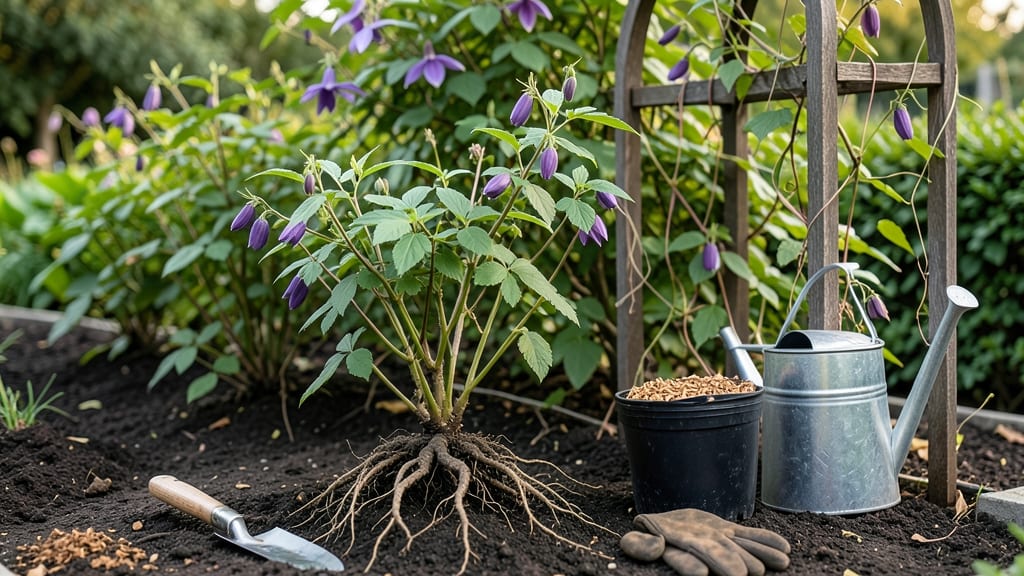
Best planting months for clematis in Texas heat Zones (8a-10a)
Texas's diverse climate—from the cooler North Texas (Zone 8a) to the South Texas heat (Zone 10a)—means clematis planting timing varies dramatically. In North Texas, where last frosts hit around February 15, aim to plant in October-November or February-March.
Meanwhile, Central and South Texas gardeners (Zones 9a-10a) have until December for fall planting, but spring planting should start by February to avoid summer heat stress.
Clematis roots thrive when soil temps are 50-65°F. In Texas, this window opens in late September for fall planting and closes by mid-March for spring. Planting outside these months risks transplant shock or heat stress, especially for young vines struggling to establish roots in 100°F+ Texas summers.
For North Texas, fall planting (October-November) is ideal—cool temps help roots establish before winter. Spring planting (February-March) works too, but avoid late spring (April-May) when heat waves can dry out soil.
In South Texas, extend fall planting to December, but rush to plant by January to avoid summer heat.
Soil temperature is your best guide: Use a soil thermometer to confirm temps are 60°F+ before planting. In East Texas (Zone 8a), this might mean waiting until mid-October, while West Texas (Zone 9a) can plant as late as November.
Microclimates matter too. Urban areas like Houston or San Antonio stay warmer longer, so adjust planting 1-2 weeks later than rural zones. If you're in a valley or near water, expect cooler temps—plant earlier. Conversely, hilltops or paved areas heat up faster, so delay planting until soil cools.
| Texas Zone | Best Planting Window | Soil Temp Goal | Key Consideration |
|---|---|---|---|
| 8a (North Texas) | October 15–November 15 or February 1–March 15 | 50–65°F | Avoid spring planting after March 15 (heat risk) |
| 9a (Central Texas) | September 20–November 30 or February 15–March 15 | 60–70°F | Urban areas may need later dates |
| 10a (South Texas) | October 1–December 15 or January 15–February 28 | 65–75°F | Extend fall window; spring planting must be early |
🌱 Pro Tip: Mulch heavily after planting to retain moisture and regulate soil temps.
If you miss the ideal window, don’t panic—container planting buys you flexibility. Young clematis in pots can handle summer heat better than in-ground plants, but move them to partial shade by June to prevent leaf scorch.
For in-ground plants, shade cloth (30-50%) can protect newly planted vines during peak summer (July-August).
Timing isn’t just about months—it’s about moon phases too. Plant during the waxing moon (root growth phase) for stronger establishment. In Texas, this often aligns with fall planting (October-November), giving roots time to grow before winter dormancy.
For large clematis varieties (e.g., 'Jackmanii'), prioritize fall planting—they need 6-12 months to establish before their first big bloom. Smaller varieties (e.g., 'Niobe') are more forgiving and can handle spring planting, but still avoid late spring heat.
Remember: Texas heat is unforgiving for young clematis. The key is cool soil, consistent moisture, and afternoon shade. With the right timing, your vines will reward you with years of vibrant blooms—from spring's first flowers to fall's last showstopper. 🌸
Best planting months for clematis in Texas heat Zones (8a-10a)
Texas' diverse climate—from North to South—means clematis planting timing varies dramatically. In Zone 8a (North Texas), your last frost typically arrives around February 15, while Zone 10a (South Texas) rarely sees frost. This creates a 6-week window difference for ideal planting.
For North Texas (Zones 8a-9a), aim for early spring (February-March) or fall (October-November). The soil stays cool enough for root establishment, and young vines avoid 90°F+ heat that can scorch tender foliage.
In Central/South Texas (Zones 9b-10a), fall planting is critical—plant by October 15 to let roots grow before summer heat returns.
Why timing matters: Clematis roots need 60-65°F soil temps to thrive. Planting in Texas summers (June-August) risks transplant shock and fungal diseases from overheated soil. Even early spring in South Texas (March-April) can be risky if temperatures spike.
🌱
| Texas Zone | Best Planting Window | Avoid Planting | Soil Temp Goal (°F) |
|---|---|---|---|
| 8a (North TX) | Feb 15 - Mar 15 or Oct 1 - Nov 15 | May - Sep | 60-65°F |
| 9a (Central TX) | Feb 1 - Mar 30 or Sep 15 - Oct 30 | Jun - Aug | 62-68°F |
| 10a (South TX) | Sep 1 - Oct 15 (fall only) | Apr - Sep | 65-70°F |
💡 Pro Tip: Use a soil thermometer to confirm temps before planting—ideal range is 60-70°F.
Spring planting in North/Central Texas gives vines 6-8 weeks of cool weather to establish roots before summer. In South Texas, fall planting avoids 100°F+ soil that can bake roots. If you miss these windows, consider container growing—pots let you move vines to shade during peak heat.
For container clematis, plant anytime soil temps are safe (60°F+). Use 5-gallon pots with moisture-retentive mix (50% potting soil, 30% perlite, 20% compost) to mimic ideal conditions. Water daily until established, then taper to every 2-3 days.
Remember: Texas heat stress is the #1 killer of young clematis. Always plant with afternoon shade (trellis, fence, or patio umbrella) and mulch heavily to keep roots cool. With the right timing, your vines will reward you with summer-blooming beauty—even in the hottest zones! 🌿