
Plants
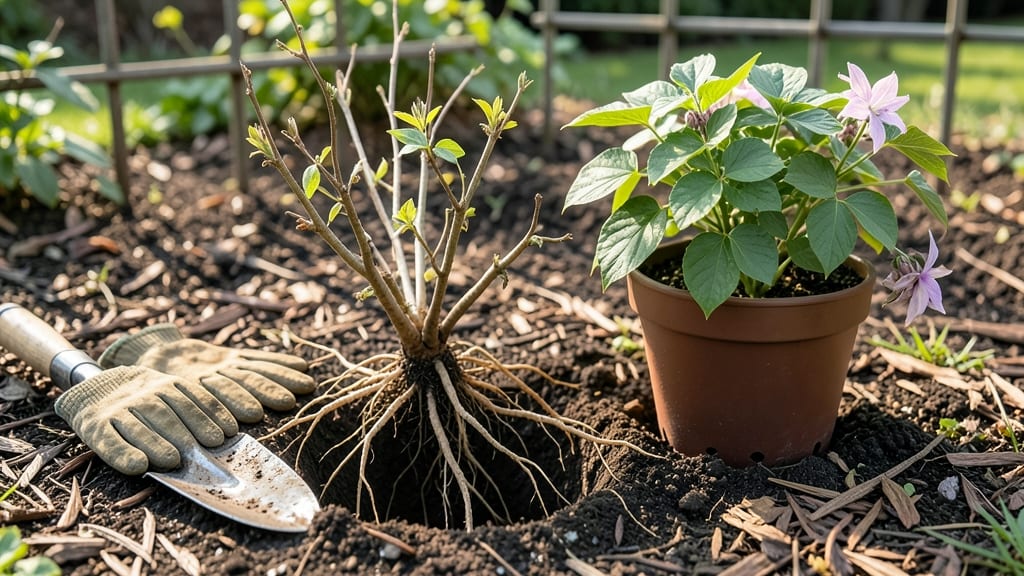
Timing your clematis planting in Indiana could mean the difference between a showstopping 🌸 display and a vine that struggles to take hold. With USDA zones 5b-6b bringing unpredictable frosts, knowing when to plant is the key to success.
Most gardeners swear by early spring planting—after that last frost around mid-April—when soil warms enough for roots to establish before summer heat arrives. But fall planting (September-October) also works if you time it right, giving roots a head start before winter dormancy.
I’ve learned the hard way that rushing too early can leave clematis vulnerable to cold snaps, while waiting too long risks stunted growth. The best approach? Plan ahead for Indiana’s climate—whether you’re digging in spring or fall, preparation makes all the difference.
Ready to get it right? Let’s break down the optimal planting windows, soil prep tricks, and post-planting care to ensure your clematis thrives from the first season onward. Your future blooms will thank you!
Best planting months for clematis in Indiana’s climate zones
Indiana’s USDA hardiness zones 5b-6b create a unique challenge for clematis planting—too early, and frost zaps tender roots; too late, and summer heat stresses young vines. The sweet spot falls in early spring (March-April) or early fall (September-October), when soil temperatures stabilize and frost risks diminish.
These windows align with Indiana’s average last frost date (April 15) and give vines time to establish before summer’s intensity.
For spring planting, aim for mid-March to early April in southern Indiana (zone 6b) or late April in northern areas (zone 5b).
This timing lets roots harden before summer’s peak. Fall planting works best from September 15-October 15, allowing roots to grow before winter dormancy—but only if planted 6-8 weeks before first frost. Northern Indiana’s shorter growing season demands earlier fall planting (early September) to avoid winter stress.
Here’s how Indiana’s microclimates affect timing: In urban heat islands (like Indianapolis), plant 2-3 weeks earlier than rural areas to escape heat stress. Meanwhile, northern Indiana’s cooler temps (e.g., Fort Wayne) may push planting into late April or early May without risking frost damage.
Always check your local Indiana State Climate Office for real-time frost forecasts.
Pro Tip: Use mulch (3-4 inches) after planting to regulate soil temps—critical in Indiana’s volatile spring weather. For container-grown clematis, delay planting until soil temps hit 50°F+ to prevent root shock.
If you miss the ideal windows, container planting extends your flexibility—just move pots to protected spots during late frosts. For bare-root clematis, soak roots for 2-3 hours before planting to compensate for Indiana’s dry springs.
Avoid planting in waterlogged soil, common in Indiana’s clay-heavy areas, by amending with compost or sand.
Timing isn’t just about months—it’s about soil conditions. Test your soil’s pH (6.0-6.5 ideal) and drainage before planting. In northern Indiana’s acidic soils, add lime to raise pH, while southern Indiana’s alkaline soils may need sulfur. A simple soil test kit (available at local nurseries) saves guesswork.
For container-grown clematis, Indiana gardeners can plant 1-2 weeks later than bare-root varieties since pots warm faster. However, avoid planting after June 1—vines struggle to establish before winter.
If you’re in zone 5b, prioritize hardy varieties like ‘Jackmanii’ or ‘Niobe’, which tolerate colder snaps better than tender types.
Remember: Clematis roots need time to establish before summer’s heat hits. In Indiana, that means 6-8 weeks of warm soil before peak temperatures. Use row covers for early spring plantings to protect from late frosts (common until May 10) and windburn.
With the right timing, your clematis will reward you with vibrant blooms by summer’s end.
🌸
Best planting months for clematis in Indiana’s climate zones
Indiana’s USDA hardiness zones 5b-6b create a unique challenge for clematis planting—too early, and frost zaps tender roots; too late, and summer heat stresses young vines. The ideal window spans March through April for spring planting, with September to early October as your fall alternative.
Spring planting gives clematis 6-8 weeks to establish roots before summer’s intensity, while fall planting lets roots grow in cool soil before winter dormancy. Both methods work, but timing depends on your last frost date—typically around April 15 in most of Indiana.
🌸 Key Considerations:
- Northern Indiana (Zone 5b): Aim for late April to early May to avoid late frosts
- Southern Indiana (Zone 6b): March to early April works well
- Fall planting must finish 6 weeks before first frost (usually by October 1)
| Planting Window | Zone 5b (Northern IN) | Zone 6b (Southern IN) | Critical Factor |
|---|---|---|---|
| Spring Planting | Late April - Early May | March - Early April | Soil temp ≥50°F |
| Fall Planting | Early Sept - Oct 1 | Sept - Early Oct | 6 weeks before frost |
| Avoid Planting | Before March 15 | After April 15 | Frost risk |
For spring planting, I recommend waiting until you’ve seen 3 consecutive days above 50°F—this ensures soil warmth encourages root growth. In northern Indiana, this often means waiting until after May 1 to be safe.
Fall planting offers advantages like reduced transplant shock and earlier blooms next year, but requires careful timing. Plant in September when soil temps drop below 70°F—this lets roots establish without summer heat stress.
Pro tip: Use mulch 3-4 inches deep after planting to protect roots from temperature swings, whether you plant in spring or fall. This is especially critical in Indiana’s variable autumn weather.
Remember, clematis vines need strong support from day one—install trellises or arbors before planting to avoid disturbing roots later. The right timing plus proper support equals healthier vines and more dramatic blooms.