
Trees
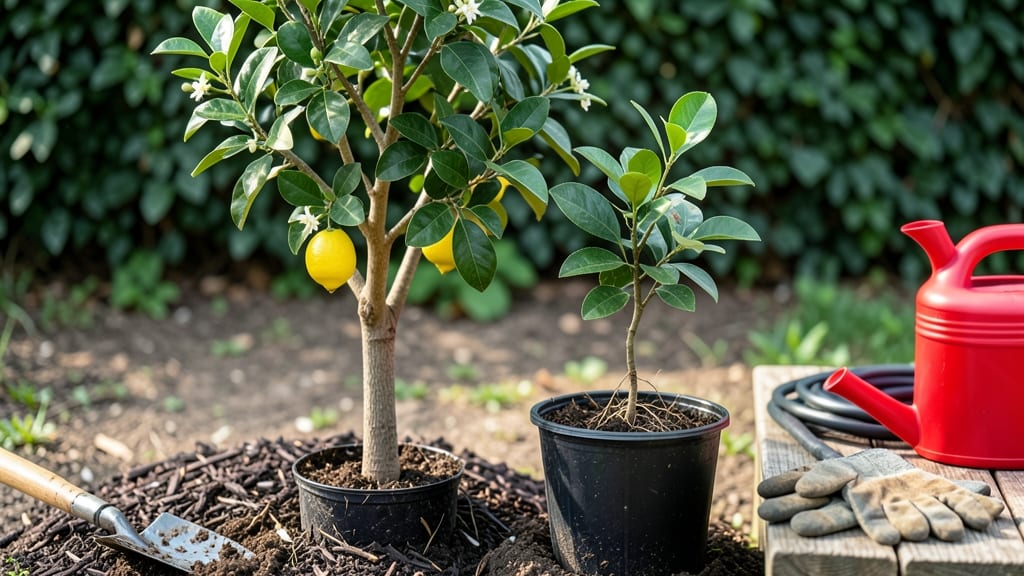
Planting your citrus trees 🍊 at the wrong time in Louisiana can mean the difference between a thriving grove and a sad, frost-nipped failure. The key isn't just picking a random month—it's understanding when your local climate gives your citrus the best shot at survival and sweet success.
If you've ever wondered why some gardeners get luscious oranges while others struggle with stunted growth, timing is the game-changer.
Louisiana's 8a-9b zones offer a narrow window where soil warms enough to support citrus roots while avoiding late frosts that can wipe out young trees in February or March.
I've helped countless Louisiana gardeners get their citrus off to the right start, and the secret isn't complicated—it's about planting when the soil hits 60°F+ and the last frost has passed.
That means waiting until late March or early April in most areas, though coastal regions can sometimes squeeze in earlier plantings.
Ready to turn your citrus dreams into reality? Let me walk you through exactly when to plant in your specific corner of Louisiana, plus the soil prep and variety choices that make all the difference for zero-frost survival.
Optimal planting months for citrus trees in Louisiana’s climate zones
Louisiana’s USDA zones 7a-9a create a delicate balance for citrus growers. The coastal areas (8b-9a) like New Orleans can plant as early as late February, while northern regions (7a-8a) like Shreveport should wait until mid-April to avoid late frosts that average 28°F in March.
Citrus roots need soil temperatures above 60°F (15°C) to establish properly. In most of Louisiana, this happens reliably by late March, but cooler microclimates near lakes or elevations may need to delay until April. Always check your local last frost date—it’s your citrus tree’s best friend.
Here’s how your specific Louisiana region affects planting timing:
For container-grown citrus, you can plant 2-4 weeks earlier since pots warm faster. However, move containers indoors or to a protected location if nighttime temps drop below 40°F (4°C). I’ve seen Meyer lemons thrive in containers in New Orleans with winter protection!
Pro tip: Use a soil thermometer to confirm your soil is 60°F+ before planting. Cold soil slows root growth, making young trees vulnerable to transplant shock and fungal diseases like root rot.
If you’re planting bearing citrus trees, aim for late winter to early spring so they establish roots before their first heavy fruiting cycle. Trees planted in summer struggle to adapt and often drop leaves due to stress.
For grafted citrus (like those from nurseries), the rootstock type matters—trifoliate orange rootstock handles Louisiana’s heat better than sour orange. Always ask your nursery for region-specific recommendations.
Remember: Early planting = frost risk. Late planting = smaller first harvest. The sweet spot is when your local azalea bushes bloom—that’s nature’s signal your soil is ready for citrus!
Critical factors that determine your citrus planting timeline
When planning your citrus tree planting, soil temperature is the single most critical factor. Citrus roots struggle in cold soil, so I always wait until the ground reaches at least 60°F (15°C)—a temperature that typically occurs in late March to early April across most of Louisiana.
You can test this with a soil thermometer or by checking if nearby weeds are actively growing.
Another key consideration is your local frost-free date. While Louisiana’s coastal areas (like New Orleans) often see their last frost by mid-February, inland regions (such as Shreveport) can experience late frosts as late as mid-April.
Planting too early in these areas risks frost damage to young, vulnerable roots.
Citrus varieties also play a role—Meyer lemons and calamondins are more cold-hardy than grapefruit or oranges, so they can sometimes be planted a few weeks earlier. However, even these varieties need soil warmth to thrive, so don’t rush the process.
| Factor | Ideal Condition | Actionable Tip |
|---|---|---|
| Soil Temperature | 60°F+ (15°C+) | Use a soil thermometer or wait for weeds to sprout. |
| Frost-Free Date | After last frost (varies by region) | Check local weather records or plant after March 15th for safety. |
| Citrus Variety | Cold-hardy types first (Meyer lemons) | Plant grapefruit or oranges only after soil is fully warmed. |
| Moon Phase | Rooting phase (dark moon) | Avoid planting during full moon for better root establishment. |
Don’t overlook microclimates—your backyard’s specific conditions matter more than the general zone. A south-facing wall or paved area can create a 5-10°F warmer microclimate, allowing earlier planting. Conversely, low-lying areas may stay colder longer, so adjust your timeline accordingly.
Finally, consider container planting if your yard has unreliable frost patterns. Potted citrus can be moved to sheltered areas during cold snaps, giving you more flexibility with planting timing. Just ensure your containers have drainage holes and use a high-quality potting mix with perlite for optimal root health.
By focusing on these critical factors—soil temperature, frost dates, variety selection, and microclimates—you’ll give your citrus trees the best possible start. The right timing isn’t just about avoiding frost; it’s about setting up your trees for years of lush growth and sweet harvests. 🌿