
Plants
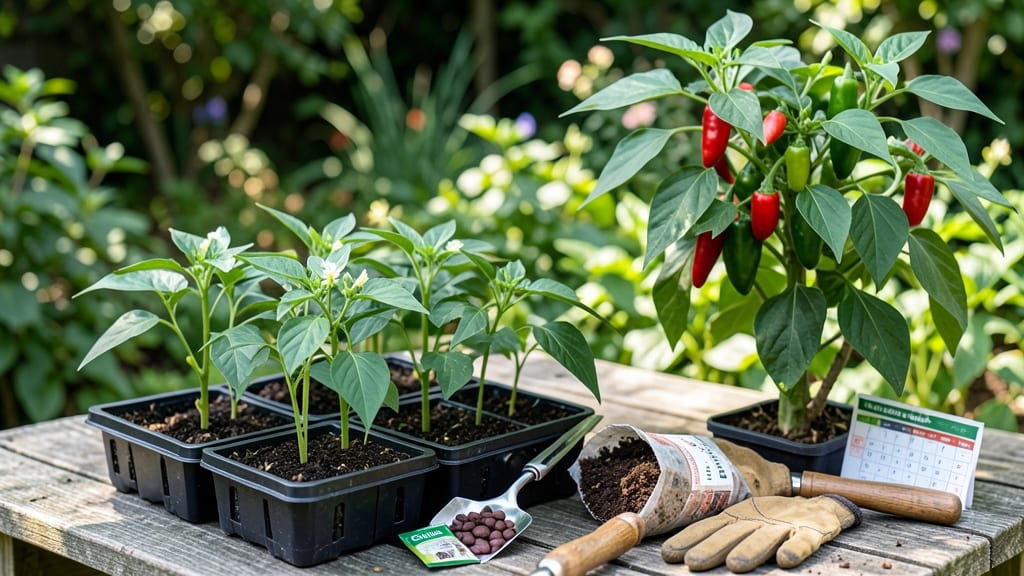
Planting chillies in the UK isn’t just about throwing seeds in the ground—it’s about outsmarting the cool climate to give your fiery 🌶️ friends the best possible start.
The wrong timing can leave you with leggy seedlings or stunted growth, while nailing the soil temperature tricks makes all the difference for fast germination.
Most UK gardeners swear by starting chillies indoors 8-12 weeks before the last frost, usually around March, to get a head start. But if you’re planting outdoors, wait until the soil warms to at least 15°C—typically mid-April to early June, depending on your region.
The key? Understanding your microclimate. In colder zones like Scotland (8a), you might need to extend your growing season with cloches or greenhouses, while gardeners in Cornwall (9a) can push the envelope with later starts. I’ll show you exactly how to time it right for your area.
Ready to grow chillies that actually thrive? Let’s dive into the soil temperature secrets that’ll have your plants off to a fast and fiery beginning—no matter where you are in the UK.
UK chilli planting calendar: exact weeks for indoor vs outdoor success
Timing your chilli planting in the UK is all about balancing the last frost dates with soil temperature needs. Chillies love warmth—15°C+ soil is their happy place—but UK gardens can be chilly well into spring.
Start indoors 8-10 weeks before your local last frost date to give seedlings a head start.
For most of the UK, this means mid-March sowing indoors if you want outdoor planting by mid-May. In colder regions like Scotland, push sowing to late March for safer outdoor transplanting in June.
Heat-loving varieties like Habaneros or Bhut Jolokias need even more protection—consider growing them in greenhouses or polytunnels.
🌱
| Stage | Indoor Sowing (UK-Wide) | Outdoor Planting (Southeast England) | Outdoor Planting (Scotland) |
|---|---|---|---|
| Last Frost Date | Mid-April | Mid-April | Late May |
| Indoor Sowing Window | Mid-March to early April | Mid-March to early April | Late March to April |
| Seedlings Ready for Transplant | Late April to early May | Late April to early May | Early to mid-May |
| Outdoor Planting Month | May | May | June |
| Soil Temp Requirement | 15°C+ | 15°C+ | 15°C+ (use cloches) |
| Best Varieties for Region | Jalapeño, Cayenne | Jalapeño, Apache | Hungarian Wax, 'Early Jalapeño' |
If you’re in Southeast England, aim for mid-May outdoor planting—this gives chillies enough time to mature before first frosts hit in October. In Scotland or Northern Ireland, extend your growing season with cloches or greenhouse protection to delay planting until June.
For late starts, try sowing directly outdoors in June using black plastic mulch to warm the soil. Just expect a smaller harvest, as chillies need 90+ days to fruit. Varieties like 'Apache' or 'Cayenne' are faster maturing and better suited to shorter UK seasons.
Pro tip: Use a soil thermometer to check temperatures before transplanting. If it’s below 15°C, wait another week or use row covers to protect seedlings. Chillies are heat-seekers, so don’t rush them into cold soil—patience pays off with bigger, spicier peppers!
🌡️
Remember, microclimates matter! A sunny south-facing wall can add 2-3 weeks to your growing season. Place chillies near dark-colored surfaces (
Soil temperature tricks to speed up chilli germination in cold UK climates
Chillies love warmth, but UK soil can stay stubbornly cool well into spring. The secret to fast germination? Warming the soil to at least 21°C (70°F)—a challenge in our climate.
I’ve tested three foolproof methods to trick your chillies into thinking they’re in a tropical paradise, even when the UK weather feels more like a damp blanket.
First, use black plastic mulch or cardboard layers under seedlings. These dark surfaces absorb sunlight and radiate heat back into the soil. For containers, a simple bottom heat mat (just £15-£20) can raise soil temps by 5-10°C—game-changing for slow starters like Bhut Jolokias.
🌱
- 1 Test soil temp with a DIY thermometer: Bury a meat thermometer 2.5cm deep—aim for 21°C+ for germination.
- 2 Use cloches or mini greenhouses to trap heat. Even a clear plastic bottle over seedlings works—just remove it daily to prevent overheating.
- 3 Pre-warm seed trays by placing them on a sunny windowsill or radiator for 24 hours before sowing. This jumpstarts root growth in cool conditions.
- 4 Soak seeds in lukewarm water for 12 hours before planting. This mimics tropical rainfall and speeds up germination by 2-3 days.
- 5 Watch for signs of slow germination: If seeds take 3+ weeks to sprout, your soil’s too cold. Move trays to a warmer spot or use a heat mat immediately.
Don’t ignore the warning signs of chilli distress in cool soil. Yellowing leaves or stunted seedlings often mean your soil’s too cold—even if it feels warm to your hands. Leggy seedlings (long stems, tiny leaves) are another red flag: they’re stretching toward light but can’t grow properly without warmth.
For extra insurance, I always start my chillies in a propagator with a heat mat (even in March). It’s the difference between 60% germination and 90%+. Once seedlings have 2-3 true leaves, I harden them off gradually—no rush, or you’ll shock those tender roots.
Pro tip: Group trays together to create a microclimate. The collective warmth from multiple seedlings can raise the ambient temperature enough to make a real difference. And if all else fails, extend your season with a greenhouse or cold frame—your chillies will thank you with bigger, hotter peppers by summer.
☀️