
How To
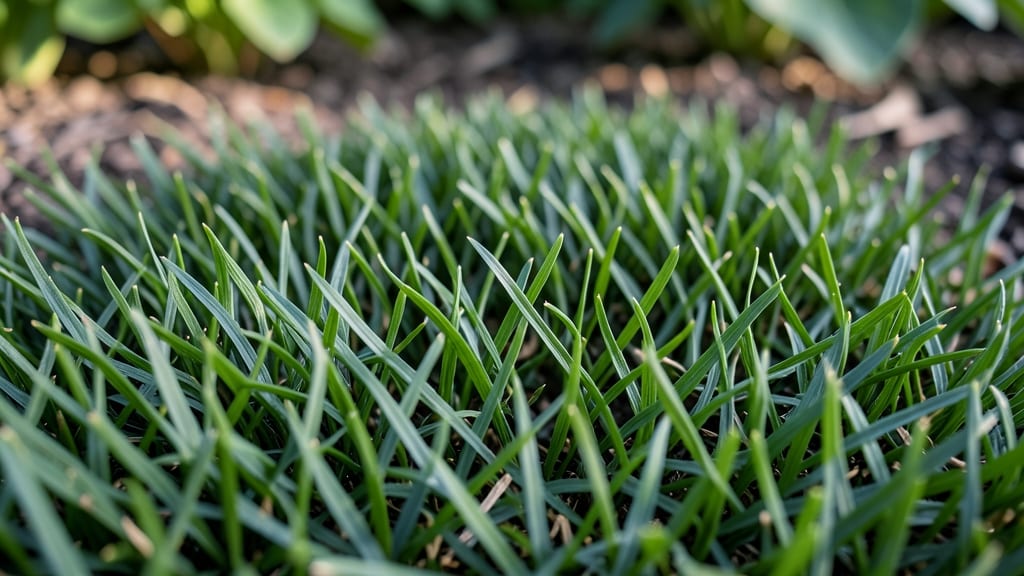
Planting centipede grass in Georgia isn’t just about timing—it’s about outsmarting the state’s unpredictable weather to get that lush, low-maintenance lawn you crave.
The perfect window opens after the last frost when soil temperatures hit 65°F, usually between late April and early June, but one wrong move could leave your 🌱 struggling through summer heat or winter chill.
Most Georgia gardeners swear by late spring planting because it aligns with natural rainfall and avoids the brutal summer droughts that can stress young grass.
But if you’re in USDA zones 7b-8b, you’ve got a second chance in early fall—just don’t wait too late, or your grass might not establish before the first frost.
Here’s the game-changer: I’ll break down exactly how to prep your soil, choose between seed or sod, and keep your centipede grass thriving through Georgia’s humid summers and mild winters. Skip the guesswork and let’s get your lawn on the right track.
Whether you’re a first-time planter or a seasoned gardener, these tips will help you avoid common mistakes and keep your grass green year-round. Let’s dive into the ideal schedule and care routine tailored just for Georgia’s climate.
Best planting months for centipede grass in Georgia’s climate zones
Georgia’s humid subtropical climate creates unique challenges for planting centipede grass. Unlike cooler regions, timing must align with soil warmth, rainfall patterns, and avoiding summer heat stress. The ideal window spans late spring to early summer, but exact months vary by Georgia’s 8 climate zones (7a-8b).
Let’s break down the perfect schedule for your location.
For northern Georgia (zones 7a-7b), aim for mid-April to early June when soil temps consistently reach 65°F.
Southern regions (zones 8a-8b) can start as early as late March but must finish by mid-July to avoid summer drought. Mississippi River Valley areas often have a slightly extended window due to higher humidity.
Here’s how Georgia’s climate zones impact your planting schedule:
Planting centipede grass seeds requires slightly earlier timing than sod installation. Seeds need 6-8 weeks to establish, so start them in March-April for a June lawn. Sod, however, can be laid until mid-July in most zones, giving you more flexibility.
In northern Georgia (zones 7a-7b), I recommend testing soil moisture in early April. If it’s dry, delay planting until after Georgia’s typical April showers kick in. For southern zones (8a-8b), late February plantings are possible if you use row covers to protect against 30°F night temps.
One common mistake is planting too late in summer. By August, Georgia’s heat and humidity create ideal conditions for fungal diseases like brown patch. If you must plant late, choose shaded areas or use disease-resistant varieties like ‘TifBlair’.
For coastal Georgia (zone 8b), hurricane season (June-November) adds complexity. Plant sod in May to give roots time to establish before storms. Avoid planting seeds after June 15, as tropical downpours can wash them away.
Always check your local USDA frost map and historical rainfall data. Georgia’s Peach State Climate Office offers free zone-specific reports. Pair this with a soil thermometer to confirm 65°F+ soil temps before planting.
Pro tip: Mark your calendar for May 15 as the absolute latest date for seed planting in most of Georgia. After this, switch to sod for faster establishment.
How to time your planting for Georgia’s rainy vs. dry seasons
Georgia’s weather swings from soaking spring rains to sweltering summer droughts, making timing everything for your centipede grass. The key is planting when nature’s watering schedule aligns with your grass’s needs—April through early July offers the perfect balance of moisture and warmth.
Spring’s steady rainfall (March-May) gives seedlings a head start, while summer’s intense heat demands extra care. If you’re planting sod, aim for late April to June when roots can establish before drought hits. For seed, wait until May or June when soil temps consistently stay above 65°F.
Here’s how Georgia’s rainfall patterns influence your planting strategy—with actionable adjustments for each season:
🌧️ Georgia’s Rainy vs. Dry Seasons: Planting Adjustments
- 1. Spring (March-May): Leverage natural rainfall—ideal for seed planting or sod lay. Water lightly if rains skip weeks.
- 2. Summer (June-August): Plant sod only—seeds struggle with heat stress. Deep water 2x weekly to combat drought.
- 3. Fall (September-October): Avoid planting—cooler temps slow growth. Use this time to aerate or fertilize existing lawns.
- 4. Winter (November-February): Grass is dormant. Focus on soil prep—test pH and add compost for spring planting.
For sod, the 60-day window from late April to June is critical—roots need time to knit before summer’s intense heat kicks in. If you’re using seed, wait until May or June when soil temps are consistently warm and rains taper off slightly.
Pro tip: Use a soil thermometer to confirm temps hit 65°F+ before planting—centipede grass won’t germinate in cooler soil. In northern Georgia (Zone 7a), delay until mid-May to avoid late spring frosts.
Remember, overwatering in summer can drown roots, while underwatering in drought turns grass brown. Adjust your irrigation schedule weekly based on rainfall—1 inch per week is the golden rule for established lawns.