
Plants
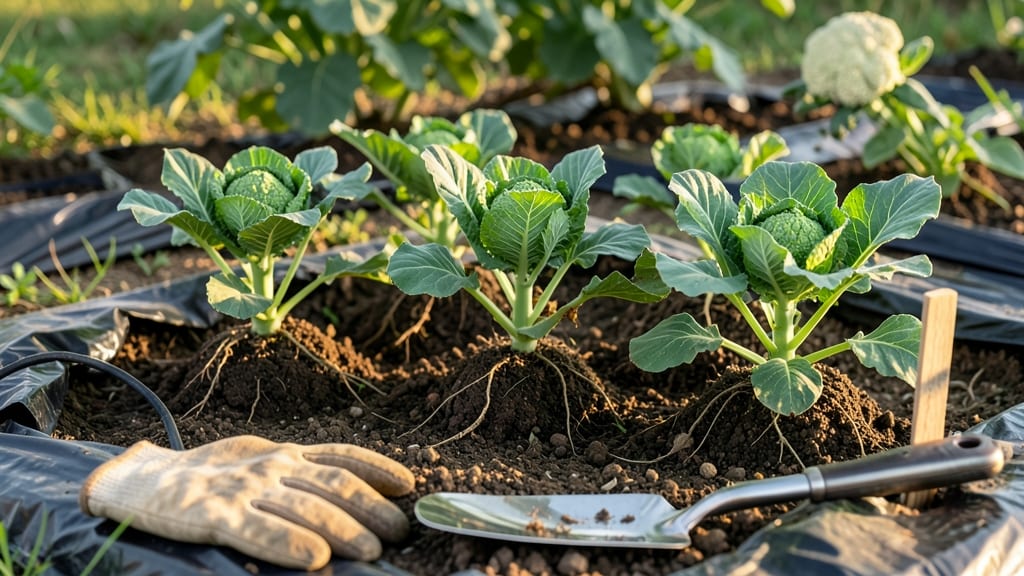
Planting cauliflower 🥬 in Florida isn’t just about the right season—it’s about outsmarting the heat and humidity that can turn your crop into a sad, bolted mess. If you’ve ever watched your carefully nurtured plants send up flowers instead of forming those perfect heads, you know timing is everything.
Most Florida gardeners assume cooler months mean instant success, but the truth is more nuanced.
The key window for planting cauliflower in Florida’s 9a-11 zones runs from September to October and again from January to February, when temperatures are just right—not too hot to stress the plants, but not so cold they stall growth.
Here’s the game-changer: heat-tolerant varieties like ‘Cheddar’ or ‘Snowball Y Improved’ can stretch your planting window slightly, but even they need shade and consistent moisture to avoid bolting. I’ll show you exactly how to time your plantings for crisp, flavorful heads—no guesswork, just science-backed strategies tailored to Florida’s climate.
Ready to grow cauliflower that actually thrives? Let’s dive into the exact months, soil prep, and tricks to keep your plants happy—even when Florida’s summer heat tries to sabotage your harvest.
Best planting months for cauliflower in Florida’s climate zones
Florida’s climate zones (8A-10A) create unique challenges for growing cauliflower. Unlike northern states, we don’t have to worry about frost damage, but summer heat and humidity can trigger early flowering. The key is planting during cooler months when soil temperatures stay between 60-75°F—ideal for head formation.
For most of Florida, the best planting window is September through October for a fall harvest and January through February for a winter harvest. This timing ensures your plants mature before summer’s extreme heat sets in.
In North Florida (zones 8A-8B), you can even squeeze in an early spring planting around February.
Direct sowing is possible, but transplants (purchased from nurseries) give you a head start. Start seeds indoors 4-6 weeks before your target outdoor planting date, then transplant seedlings when they’re 3-4 inches tall.
This method helps avoid the heat stress that young plants experience when sown directly in Florida’s summer soil.
Here’s a quick breakdown of what to expect in each Florida climate zone:
| Zone | Best Planting Months | Harvest Window | Key Consideration |
|---|---|---|---|
| 8A (North FL: Jacksonville, Gainesville) | September-October & January-February | December-January & March-April | Milder winters; can plant slightly earlier |
| 9A (Central FL: Orlando, Tampa) | September-October & January | December-January & March | Higher heat risk; avoid summer planting |
| 10A (South FL: Miami, Fort Lauderdale) | October-November & January | December-February & March | Year-round growing possible with shade |
In South Florida (zones 10A-11), you can push the envelope slightly by planting in late October or November for a winter harvest. The mild winters here allow for a longer growing season, but avoid planting after February—the rising temperatures will cause your plants to bolt prematurely.
For North Florida (zones 8A-8B), focus on September and January plantings to maximize your harvest window before summer arrives.
One critical mistake Florida gardeners make is planting too late in the fall. If you wait until November, your cauliflower may start forming heads in December, but the winter chill can stress the plants.
Aim to have your heads ready to harvest by late January at the latest, before the spring heat ramps up.
For succession planting, stagger your plantings every 2-3 weeks during the September-October window. This ensures a continuous harvest and reduces the risk of losing your entire crop to heat stress or pests.
In South Florida, you can even try a small winter crop under shade cloth for a spring harvest.
Always check your local frost dates, even in Florida. While frost is rare, microclimates in North Florida can experience light frosts in December or January. Protect young plants with row covers or move containers indoors if a frost warning is issued.
The goal is to keep your plants growing steadily without temperature shocks.
Finally, pay attention to soil temperature. Cauliflower roots thrive when soil temps are between 60-75°F. Use a soil thermometer to monitor conditions. If your soil is warmer than 80°F, your plants will struggle to form heads. In summer, let the soil cool naturally before planting.
With the right timing, you can enjoy crisp, flavorful cauliflower straight from your Florida garden—without the headaches of bolting or heat stress. 🥬
Heat-tolerant cauliflower varieties that thrive in Florida’s heat
Florida’s summer heat can turn cauliflower into a bolting nightmare—but the right varieties make all the difference. Look for heat-tolerant types that resist premature flowering. My top picks for Florida gardens include 'Cheddar' (a hybrid with creamy heads) and 'Purple of Sicily' (vibrant purple curds that love warmth).
These varieties thrive in USDA zones 9-11 and handle Florida’s humidity better than standard types.
Another standout is 'Snowball Y Improved', a classic that performs well in Florida’s fall and winter seasons. For summer planting (risky but possible with shade), try 'Graffiti' or 'Romanesco'—both tolerate higher temps.
The key is choosing slow-bolting varieties with 70-90 days to maturity to align with Florida’s shorter cooler seasons.
| Variety | Heat Tolerance | Days to Maturity | Best Season |
|---|---|---|---|
| Cheddar | High | 70-80 | Fall/Winter |
| Purple of Sicily | Very High | 80-90 | Summer/Fall |
| Snowball Y Improved | Moderate | 60-70 | Fall/Winter |
| Graffiti | Very High | 70-80 | Summer |
Hybrid varieties like 'Cheddar' and 'Graffiti' often outperform heirlooms in Florida’s heat, thanks to bolting resistance bred into their genetics. However, open-pollinated types like 'Purple of Sicily' offer unique flavors and colors. For organic gardens, prioritize slow-bolting heirlooms and use shade cloth to extend their season.
Pro tip: Start seeds indoors 6-8 weeks before your target transplant date (e.g., July for fall planting) to give seedlings a head start. Harden them off gradually to avoid transplant shock—a common issue in Florida’s humid climate.
Use grow lights if starting seeds in summer to prevent leggy, weak seedlings.
If you’re experimenting with summer planting, focus on late afternoon shade and daily watering to keep soil temps cool. Even heat-tolerant varieties will struggle if soil temps exceed 85°F. Mulch with straw or wood chips to insulate roots and retain moisture during Florida’s dry spells.
For year-round harvests, succession plant every 3-4 weeks from September to January. This staggered approach ensures a steady supply of fresh cauliflower while minimizing risks from Florida’s unpredictable weather patterns. Pair heat-tolerant varieties with companion plants like bush beans or lettuce to improve soil health and deter pests.