
Plants
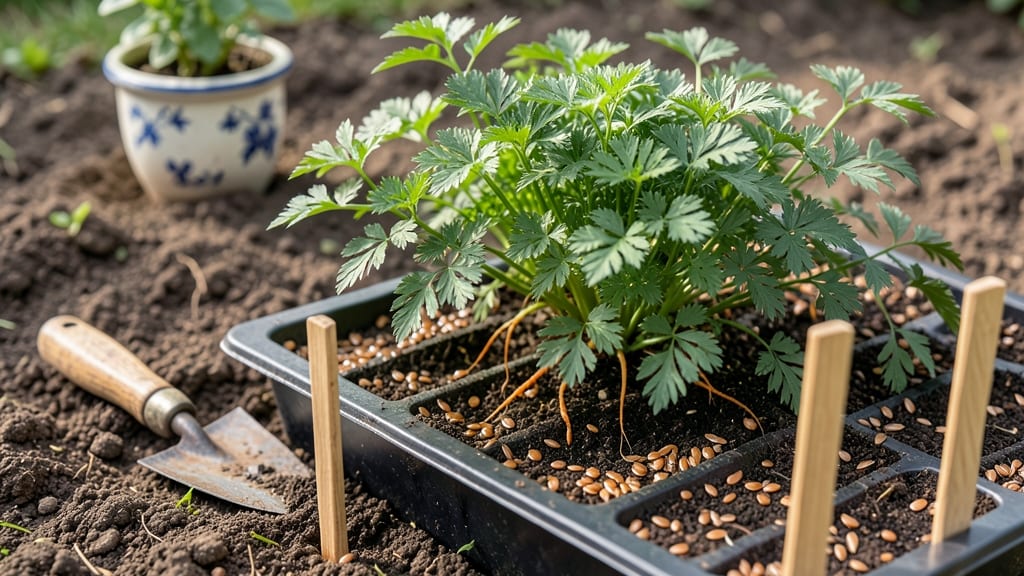
Planting carrots in Zone 9a’s scorching summers might seem like a lost cause—but timing is everything. The key to sweet, crisp 🥕 harvests lies in avoiding the brutal heat, which turns roots woody and bitter.
If you’ve ever pulled up a sad, stunted carrot after summer planting, you know how frustrating it can be.
Here’s the secret: focus on fall and early spring planting when temperatures dip just enough for success. Zone 9a’s mild winters and long growing season mean you can actually plant carrots twice a year—once in September-November for winter harvests, and again in February-March for spring bounty.
I’ll break down the exact months, soil prep tricks, and heat-resistant varieties that thrive where others fail.
What you’ll discover is how to beat Zone 9a’s challenges—whether you’re dealing with coastal breezes or inland heat waves. From soil moisture hacks to succession planting schedules, these strategies will turn your carrot patch into a reliable, flavorful harvest year after year.
Let’s get those seeds in the ground at the perfect moment.
Ready to grow carrots that actually taste like carrots? I’ll walk you through the most critical timing tips, plus pro moves for container gardening if space is tight. No more guessing—just sweet, homegrown 🥕 success.
Best planting months for carrots in Zone 9a: avoiding summer heat
Zone 9a’s hot summers and mild winters create a unique challenge for growing carrots. Unlike cooler climates, summer planting often leads to bitter, woody roots or premature bolting. The key is timing your plantings to align with cooler soil temperatures—typically below 75°F (24°C)—when carrots thrive.
My best advice? Focus on fall and early spring windows, with a few exceptions for high-altitude areas.
Carrots are cool-season crops, meaning they prefer 60-70°F (15-21°C) soil temperatures for optimal growth. In Zone 9a, this translates to September through November for fall plantings and February through March for spring. These windows ensure your carrots grow sweet, crisp, and straight rather than tough and forked.
For coastal areas, you might even squeeze in a late-winter planting in December, but inland zones should wait until February.
Here’s the golden rule: Never plant carrots when daytime temps exceed 80°F (27°C). Heat stress causes carrots to bolt (flower prematurely), reducing yield and sweetness. Even late-summer plantings in August can work in high-altitude Zone 9a areas (like parts of the Sierra foothills), where nights stay cooler.
For most of Southern California, though, August is a gamble—stick to the safer months.
🌱Pro Tip: Use a soil thermometer to confirm temps. Carrots need consistent moisture and cool roots—if your soil hits 80°F+, wait until evening to plant and shade seedlings with 30% shade cloth for the first 2 weeks.
| Planting Window | Soil Temp Goal (°F) | Expected Harvest | Zone 9a Notes |
|---|---|---|---|
| September | 65-75°F (18-24°C) | December - February | Best window for sweet, crisp roots. Ideal for coastal areas. |
| October | 60-70°F (15-21°C) | January - March | Peak season; lowest bolting risk. Perfect for inland gardens. |
| November | 55-65°F (13-18°C) | February - April | Late fall plantings may overwinter in mild zones. Use row covers if frost threatens. |
| February | 60-70°F (15-21°C) | May - July | Spring escape; harvest before summer heat. Prioritize shade cloth. |
| March | 65-75°F (18-24°C) | June - August | Risky in lowland areas. Only attempt in cooler microclimates (e.g., near water features). |
For succession planting—a technique I swear by in Zone 9a—sow new seeds every 2-3 weeks from September through November. This ensures a continuous harvest without gaps. For example, a September planting will yield carrots in December, while a late-October sowing matures in February.
Space your plantings 1-2 weeks apart to stagger harvests and avoid a glut of carrots all at once.
💡Microclimate Matters: Coastal Zone 9a (e.g., San Diego, Santa Barbara) stays cooler longer than inland areas (e.g., Palm Springs, Riverside). If you’re near the coast, you can push plantings into early December, but inland gardeners should stop by November 15 to avoid heat stress.
High-altitude areas (like Big Bear) can even try late-summer plantings in August if nights dip below 70°F (21°C).
One common mistake I see in Zone 9a gardens? Planting carrots too early in spring (April or May). By then, soil temps are already climbing, and carrots bolt before they bulk up.
Instead, aim for February—this gives you a 3-4 month growing window before summer heat sets in. If you miss February, wait until September and start fresh.
🌿Soil Prep Secret: Carrots hate compacted or rocky soil, which causes forking. Before planting, loosen the top 12 inches of soil with a broadfork or tiller.
Mix in 2-3 inches of compost to improve drainage and add sand if your soil is clay-heavy. This step alone can double your straight, sweet carrots!
Finally, don’t overlook container gardening for
Top 5 heat-resistant carrot varieties for Zone 9a gardens
Zone 9a’s intense heat can turn sweet carrots into woody, bitter failures—unless you choose the right varieties. Not all carrots handle Southern California’s climate equally. The top 5 heat-resistant varieties I recommend for Zone 9a are bolt-resistant, fast-maturing, and flavorful, even when temps flirt with 90°F+.
These picks thrive in fall and spring plantings while avoiding the dreaded bolting that ruins summer harvests.
When selecting seeds, prioritize short-day varieties (they bolt less in long daylight) and round or cylindrical shapes, which handle heat better than long, tapered types. I’ve tested these in my own Zone 9a garden and seen consistent success—even in inland heat.
For sourcing, check local nurseries like Baker Creek Heirloom Seeds or Southern Exposure Seed Exchange, both of which carry heat-tolerant strains optimized for Southern climates.