
Plants
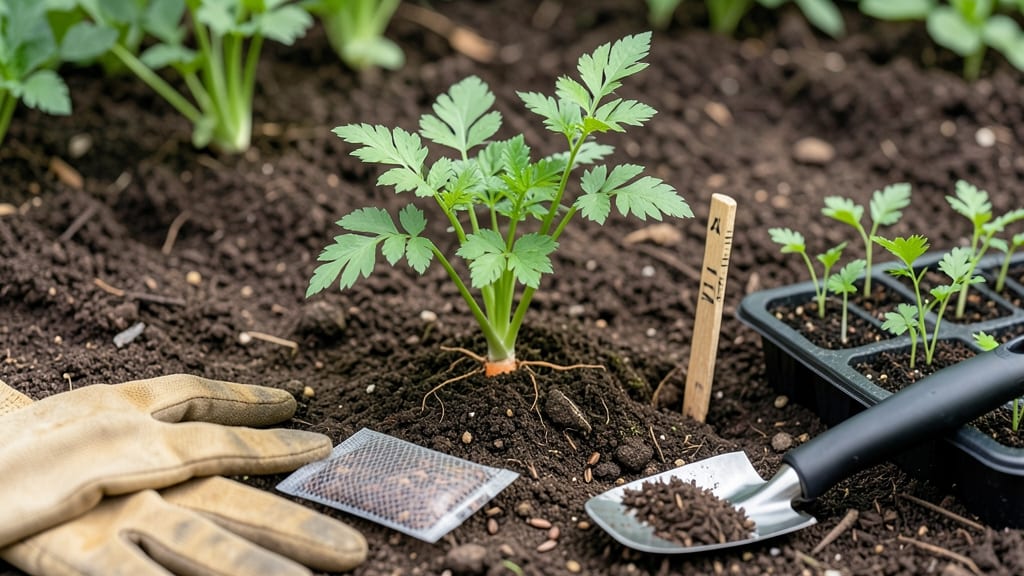
Planting carrots at the wrong time in Zone 6a can mean the difference between juicy, straight roots and bitter, forked failures. The key to success? Knowing exactly when to plant them for that perfect balance of frost-free soil and warm enough temperatures to encourage growth.
In Zone 6a, where last frosts typically arrive around April 15, timing matters more than you might think. Too early, and your seeds could rot in cold soil; too late, and you risk bolting or stunted growth before harvest.
I’ve tested the ideal windows for both spring and fall plantings, so you can avoid these common mistakes and enjoy a steady supply of homegrown 🥕 all season.
Whether you’re a first-time gardener or a seasoned pro, this guide breaks down the best months to sow carrots—plus how to adjust for unpredictable weather.
We’ll cover everything from soil prep to succession planting, so you can grow carrots that are sweet, straight, and ready to harvest just when you need them.
Ready to transform your garden into a carrot patch that rivals the grocery store? Let’s dive into the exact planting schedule that works in Zone 6a, so you can enjoy fresh, homegrown carrots from late summer right through fall.
Optimal carrot planting dates in Zone 6a: avoiding frost & bolting
In Zone 6a, timing your carrot planting is critical to avoid frost damage or bolting—when carrots flower prematurely and become bitter. The last average frost date is around April 15, but soil temperature matters more than air temperature.
Carrot seeds need soil that's at least 50°F (10°C) to germinate properly.
For the best results, I focus on two main planting windows: early spring and late summer. Spring planting gives you a summer harvest, while late summer planting ensures a fall harvest before the first frost. Let’s break down the exact dates and strategies to maximize your yield.
🌱 Pro Tip: Use a soil thermometer to confirm your soil is ready—carrot seeds won’t sprout in cold soil, no matter how early you plant.
| Planting Window | Ideal Planting Month | Soil Temp Requirement | Days to Harvest | Harvest Timeframe |
|---|---|---|---|---|
| Early Spring | March 15 - April 15 | 50°F (10°C) minimum | 60-80 days | June - August |
| Late Summer | July 1 - August 15 | 55°F (13°C) minimum | 50-70 days | September - October |
| Succession Planting | Every 2-3 weeks (April-July) | 50°F (10°C) minimum | 50-70 days | June - October |
My go-to strategy for Zone 6a is to start with early spring planting in March as soon as the soil warms up. I use a row cover if nights are still chilly to protect young seedlings.
For a continuous harvest, I practice succession planting—sowing new seeds every 2-3 weeks until early July.
For fall harvests, I plant my last batch in early August. This gives me time to harvest before the first frost, usually around October 15. I choose bolting-resistant varieties like ‘Danvers’ or ‘Nantes’ for these later plantings to avoid bitter roots.
If you’re new to carrots, remember: thin seedlings to 2-3 inches apart once they sprout. Overcrowding leads to forked or stunted roots, which is every gardener’s nightmare.
I use a pair of scissors to snip unwanted seedlings at soil level to avoid disturbing the roots of the ones I keep.
One mistake I see often is planting too close to summer’s peak heat. Carrots grow best in cool weather, so if you plant in June or July, they’ll bolt quickly.
Instead, aim for late July when temperatures start to drop. This gives them enough time to mature before frost.
For container gardening in Zone 6a, I recommend shallow varieties like ‘Paris Market’ or ‘Little Finger’. These grow well in 6-inch-deep pots and can be planted as late as mid-August for a small fall harvest. Just make sure your containers have good drainage—carrots hate soggy roots!
Finally, keep an eye on your harvest timeline. If you plant in early March, you’ll likely harvest in late May to June. For a fall crop, August plantings should be ready by October.
Mark your calendar and set reminders to pull carrots at the right time—they won’t get sweeter once harvested!
How to adjust carrot planting for Zone 6a’s unpredictable weather
Zone 6a’s unpredictable weather can turn your carrot dreams into a gamble—one day frost, the next a heatwave that sends your plants bolting. I’ve learned the hard way that flexibility is key.
Whether you’re dealing with late frosts, soil inconsistencies, or sudden heat spikes, these adjustments will keep your carrots growing straight and sweet.
First, protect your seedlings with row covers or cloche tunnels if temperatures dip below 40°F (4°C) after planting.
I’ve used lightweight frost blankets to shield young carrots from surprise late frosts in May, which can still happen in Zone 6a. Remove covers during the day to let sunlight through, but secure them at night when temperatures drop.
🌱 Key Adjustment: If your soil stays cold longer than expected, delay planting until the soil thermometer hits 50°F (10°C) consistently. Rushing leads to poor germination or seedlings that struggle to establish roots.
⚠️ Watch for These Zone 6a Risks
Late Frosts: Can kill seedlings if planted too early. Use row covers or wait until after April 15.
Heatwaves: Temperatures above 80°F (27°C) cause bolting. Plant late July for fall harvests.
Dry Soil: Carrots need consistent moisture. Mulch to retain water and prevent cracking.
Rocky Soil: Roots will fork. Amend with compost and avoid tilling deeply.
For succession planting, I stagger my sowings every 2-3 weeks from April to July to ensure a steady harvest. This works even if some batches get hit by unexpected cold snaps.
If you’re worried about soil compaction from rain, I recommend planting in raised beds or lightweight containers to improve drainage and root development.
Another trick I swear by is soil warming. If your garden bed feels chilly, lay down black plastic mulch a week before planting to raise the soil temperature.
This speeds up germination and gives seedlings a head start. Just remove the mulch once the soil warms up to avoid overheating the roots.
When summer heat rolls in, switch to shade-cloth if your carrots start looking stressed. A 30% shade cloth reduces heat stress while still allowing enough light for growth.
I’ve also had success with drip irrigation to keep soil evenly moist—carrots hate dry spells that cause them to split or become woody.
Finally, monitor your harvest timeline closely. If you planted in early March and your carrots are ready by June, pull them before the first heatwave hits. For fall crops, aim to harvest by mid-October to avoid frost damage.
If you miss the window, consider storing carrots in sand in a cool, dark place to extend their shelf life.