
Plants
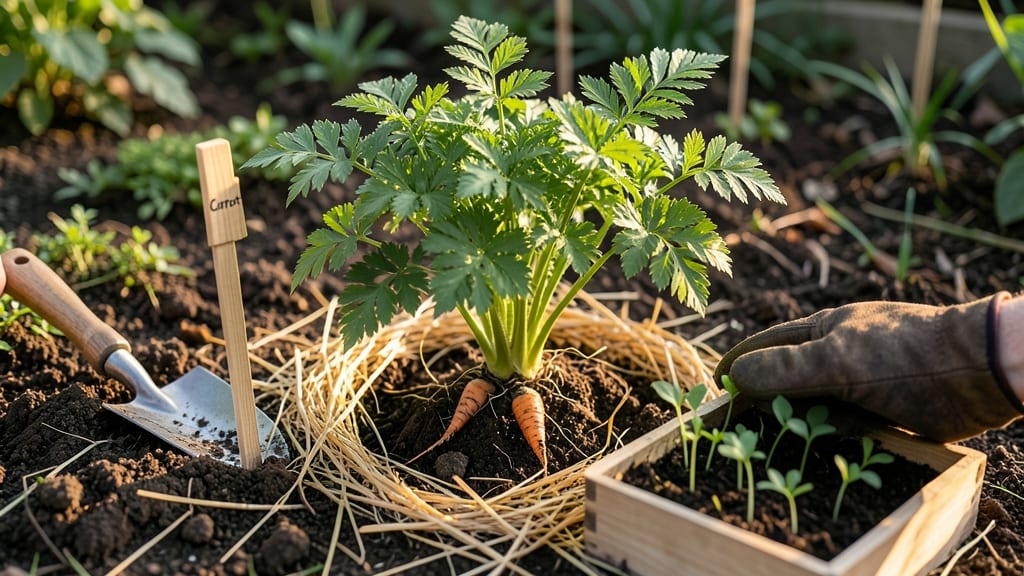
Timing your fall carrot planting just right means the difference between sweet, crisp roots and tough, bitter failures. With 8-12 weeks until frost, you've got a narrow window to get it perfect—and missing it could leave you with carrots that bolt or never fully develop.
I've learned the hard way that planting too early risks bolting, while waiting too long means small, stunted roots. The key is starting 4-6 weeks before your first frost date, when soil temps stay above 50°F but nights begin to cool.
This balance is what transforms your garden into a sweet, harvest-ready carrot patch by winter.
Whether you're in USDA Zone 6a or further south, the principles stay the same: loosen that soil, space seeds properly, and keep them consistently moist.
I'll walk you through the exact schedule, regional adjustments, and pro tips to avoid common pitfalls—so you can pull perfect 🥕 straight from the ground when frost arrives.
Ready to grow carrots that taste like summer even in winter? Let's get your planting calendar locked in for a harvest that'll make your fall meals unforgettable.
Fall carrot planting timeline: exact weeks before first frost
Timing is everything when it comes to growing fall carrots. The ideal window is 8-12 weeks before your first frost date, giving roots enough time to mature before winter sets in.
For example, if your frost date is November 15, aim to plant between September 1 and October 1. This schedule ensures you’ll harvest crisp, sweet carrots before the ground freezes.
Carrots thrive in cooler temperatures, which is why fall planting often yields better results than spring. The 60-70°F soil temperature in early fall is perfect for germination and root development.
If your soil is still warm (above 75°F), wait a few weeks or use shade cloth to cool it down before planting.
Here’s the key: plant too early, and your carrots may bolt (flower prematurely) before frost. Plant too late, and they’ll stay small and tough. The 8-week rule balances these risks, giving you a reliable harvest window.
🥕 Fall Carrot Planting & Harvest Schedule
| Stage | Action | Notes |
|---|---|---|
| 8-12 Weeks Before Frost | Sow seeds ¼ inch deep | Use fine, loose soil; avoid clods |
| 4-6 Weeks After Sprouting | Thin seedlings to 2-3 inches apart | Harvest thinnings for baby carrots |
| 60-70 Days After Planting | Harvest before hard frost | Pull gently to avoid breaking roots |
| Soil Temperature | Ideal: 60-70°F | Use shade cloth if soil is too warm |
For straight, uniform carrots, prepare your soil meticulously. Remove all rocks, clods, and debris—carrots need a loose, stone-free bed to grow properly. Mix in compost or aged manure before planting to enrich the soil with nutrients.
This step is non-negotiable; rocky soil leads to forked or stunted roots, which is especially frustrating in fall plantings.
Spacing is another critical factor. Sow seeds ¼ inch deep and 1 inch apart in rows spaced 12-15 inches apart. As seedlings emerge, thin them to 2-3 inches apart to prevent competition. You can harvest these thinnings as baby carrots for salads or snacks.
Watering plays a huge role in fall carrot success. Keep the soil consistently moist but not soggy—1 inch of water per week is ideal. Water deeply in the morning to reduce evaporation and fungal risks.
As temperatures drop in late fall, reduce watering slightly to prevent rot, but don’t let the soil dry out completely.
If you’re in a warmer climate (USDA zones 8-10), you can extend your fall planting window. Start seeds as late as October and use row covers or mulch to protect them from early frosts.
In colder zones (3-6), plant earlier—late July to early August—to ensure harvest before the ground freezes.
Pro tip: Use cold-hardy varieties like 'Danvers Half Long' or 'Nantes' for fall planting. These varieties tolerate cooler temperatures and produce sweeter roots when grown in the fall. Avoid long-day varieties like 'Imperator', which are better suited for summer.
Finally, mark your calendar for harvest day. Carrots are ready when their shoulders are visible above the soil and their tops are 3-4 inches wide. Pull them gently by the greens to avoid breaking the roots.
Store harvested carrots in the refrigerator for up to 3 weeks, or preserve them by canning, freezing, or fermenting.
How to adjust your fall carrot schedule for your climate zone
Your USDA zone dictates the exact timing for fall carrot planting. In cool northern zones (3-6), you can start as early as late July for an 8-week harvest before frost.
Meanwhile, warmer southern zones (7-10) may need to wait until mid-September to avoid summer heat stress. Always check your average first frost date—this is your anchor for scheduling.
For zone 3-6 gardeners, aim to plant 4-6 weeks before frost. In my zone 5 garden, that means sowing seeds by mid-August for a late October harvest.
Use cold-hardy varieties like 'Danvers Half Long' to handle early frosts. In zones 7-10, wait until late August to September—heat-loving varieties like 'Nantes' thrive in these milder climates.
🌱
In mountainous regions, where nights cool rapidly, plant 2-3 weeks earlier than flatland zones. For example, a zone 6 mountain garden might start seeds in late July while nearby valleys wait until early August. Always account for microclimates—south-facing beds warm faster and can support later plantings.
Protect your fall crop with floating row covers if frost threatens early. I’ve used these in zone 5 to push harvests into December**—just remove covers during the day to prevent overheating.
For extreme cold zones (1-2), opt for storage varieties like 'Chantenay' and harvest before hard frost, then store roots in sand or sawdust.
🌿
Remember: Soil preparation matters more than timing in fall. Loosen soil to 12 inches deep and mix in compost—this prevents forked roots and ensures sweetness. In my zone 6 garden, I’ve seen 30% larger roots when soil is prepped this way.
Pair carrots with companion plants like leeks or rosemary to deter pests and improve flavor.