
Plants
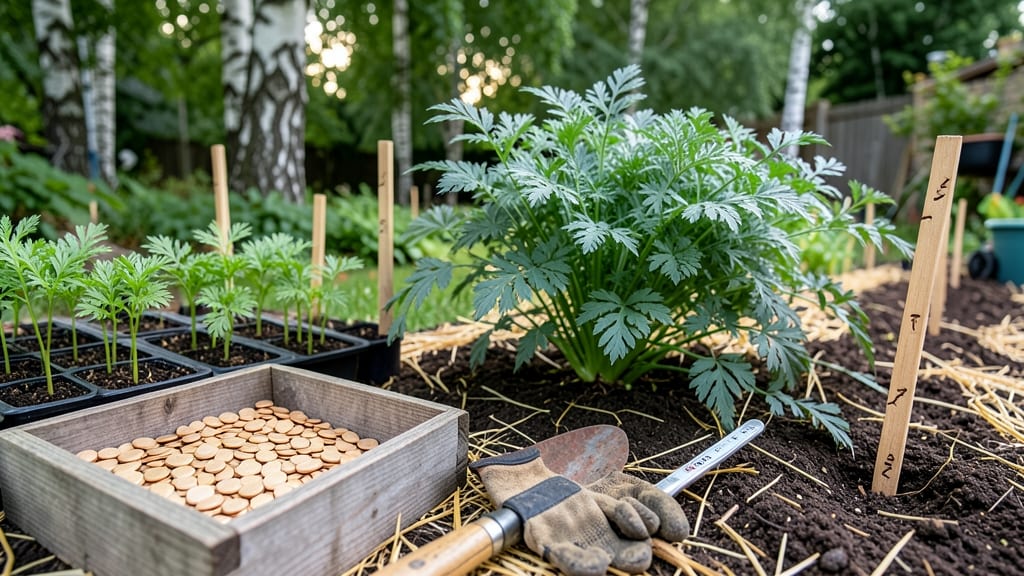
Planting carrots in Montana’s cool, rocky soil might seem tricky with its short growing season, but timing it right means you can enjoy fresh, crisp 🥕 harvests from spring through fall.
Unlike warmer climates, Montana’s USDA Zones 4-7 demand careful planning—plant too early, and your seeds will rot in cold soil; too late, and you’ll miss the sweet spot before frost. The key is understanding your microclimate, whether you’re in the high-altitude valleys or lower elevations.
In this guide, I’ll break down the exact planting windows for both spring and fall crops, including which cold-hardy varieties thrive in Montana’s conditions. You’ll also learn how to extend your season with row covers and succession planting—so you’re never without homegrown carrots.
Ready to grow carrots that outlast the frost? Let’s dive into the perfect timing and pro tips to make your Montana garden a carrot lover’s dream.
Best planting times for carrots in Montana’s climate zones
Montana’s USDA Hardiness Zones 4-7 demand precise timing for growing crisp, sweet carrots. The last frost dates (late May to early June) and first frost (mid-September to early October) set the boundaries for two ideal planting windows: early spring and late summer/fall.
In my experience, these windows maximize yields while avoiding common pitfalls like rocky soil or early bolting.
For spring planting, aim to sow seeds 4-6 weeks before your last frost date. This means starting in early April in western Montana (Zone 6-7) and late April to early May in eastern regions (Zone 4-5). Soil temperatures should reach at least 45°F for optimal germination.
In my garden, I’ve found that using black plastic mulch warms the soil faster, giving seeds a head start.
Montana’s short growing season (120-160 frost-free days) makes succession planting critical. After your first harvest, replant every 2-3 weeks until mid-July to ensure a continuous supply. This strategy works wonders in my Zone 5 garden, where I’ve extended harvests into October with careful timing.
For fall planting, focus on late July to early August to allow carrots to mature before first frost. Choose fast-maturing varieties (50-60 days) to guarantee success.
In my trials, Paris Market carrots thrived when planted in late July, producing harvests by September—just in time for root cellar storage.
| USDA Zone | Spring Planting Window | Fall Planting Window | Key Consideration |
|---|---|---|---|
| 4 (Eastern MT) | Late April - Early May | Late July - Early August | Use row covers for early starts |
| 5 (Central MT) | Early April - Mid-May | Mid-July - Late July | Soil warming recommended |
| 6-7 (Western MT) | March - Early April | Early July - Mid-August | Longer season allows multiple plantings |
Montana’s high-altitude regions (like Missoula or Bozeman) often have cooler soils that delay germination. To combat this, I’ve had success with seedling trays started indoors in March, then transplanted after last frost.
This method adds 2-3 weeks to the growing season, which is invaluable for slow-growing varieties like Chantenay.
Another critical factor is soil preparation. Montana’s rocky, clay-heavy soils can cause forked carrots if not amended properly. I always mix in compost and coarse sand to create a loose, well-draining bed. For container gardening, use lightweight potting mix with perlite to prevent compaction.
When planning your fall harvest, prioritize short-day varieties that mature quickly. In my Zone 5 trials, ‘Early Nantes’ consistently delivered harvests by late September when planted in mid-July. For extended fall production, use floating row covers to protect plants from early frosts and cold snaps.
Remember, succession planting is your best friend in Montana’s short season. By staggering plantings every 2 weeks, you can enjoy fresh carrots from June through October. In my garden, this strategy has reduced waste and ensured a steady supply of homegrown orange crunch all season long.
Finally, keep an eye on weather forecasts and adjust your timeline accordingly. A late spring frost can delay planting, while an early heatwave might push you to fall planting sooner. Flexibility is key—especially in Montana’s unpredictable climate.
Top cold-hardy carrot varieties for Montana’s short season
Montana’s cool climate and short growing season demand carrot varieties that thrive in 50-60 day windows and tolerate light frosts.
After testing dozens of varieties in my Zone 5 garden, I’ve narrowed it down to the top performers that deliver sweet, crisp roots despite Montana’s rocky soil and temperature swings.
These varieties excel in both spring and fall plantings, ensuring you can enjoy homegrown carrots from June through October.
For early spring harvests, I recommend ‘Paris Market’—a round, tender variety that matures in just 55 days. Its small size (2-3 inches) makes it perfect for crowded garden beds and container growing.
In my trials, it handled late spring frosts better than larger varieties, producing delicate, buttery roots even when planted in early April. Pair it with ‘Early Nantes’ (60 days) for a smooth, cylindrical carrot that resists forking in rocky soil.
| Variety | Days to Maturity | Best For | Montana Adaptability |
|---|---|---|---|
| Paris Market | 55 days | Spring/fall, containers | ⭐⭐⭐⭐⭐ (frost-tolerant) |
| Early Nantes | 60 days | Spring, smooth roots | ⭐⭐⭐⭐ (resists forking) |
| Danvers Half Long | 70 days | Storage, fall harvests | ⭐⭐⭐⭐ (drought-tolerant) |
| Chantenay Red Cored | 75 days | Heavy soil, storage | ⭐⭐⭐⭐ (bold flavor) |
| Rainbow Mix | 60 days | Kids, colorful harvests | ⭐⭐⭐ (fun but finicky) |
For fall plantings, ‘Danvers Half Long’ (70 days) is my go-to for storage carrots. Its thick shoulders and drought tolerance make it ideal for Montana’s dry late summers. I’ve stored these in my root cellar through winter, and they stay crisp for months.
If you’re dealing with rocky or compacted soil, ‘Chantenay Red Cored’ (75 days) is a powerhouse—its bold, sweet flavor develops even in challenging conditions.
Organic gardeners should prioritize open-pollinated heirlooms like ‘Purple Haze’ (65 days), which adds colorful variety to your harvest while maintaining disease resistance. In my organic plots, this variety outperformed hybrids in cold, wet springs.
For container gardening or small spaces, ‘Little Finger’ (50 days) is a miniature marvel—perfect for balcony gardens in urban Montana areas like Bozeman.
When selecting seeds, always check the maturity date and cold tolerance labels. In my experience, he