
Plants
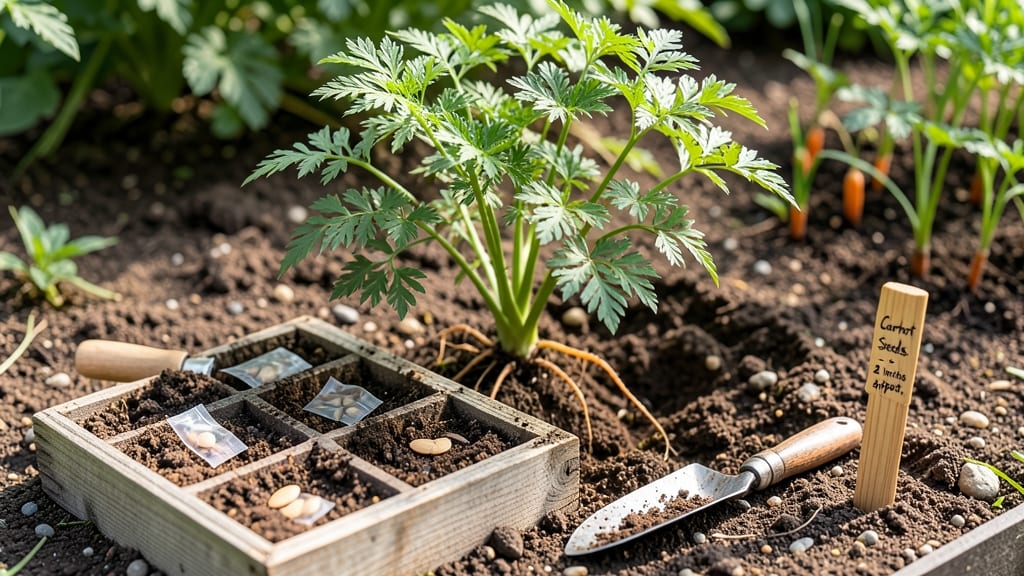
Planting carrots in Idaho’s cool mountain climate can feel like a guessing game—too early, and frost will turn your seeds to mush; too late, and summer heat makes them tough and bitter.
But timing isn’t just about the calendar—it’s about understanding your USDA Zone (5b-7b), soil temperatures, and Idaho’s unique frost patterns.
Most gardeners in Idaho get it wrong by focusing only on the last frost date, but soil temperature is the real game-changer. Carrots need the ground to warm to at least 45°F before planting, which usually means waiting until late April or early May for spring crops.
Meanwhile, fall plantings should go in by early August to avoid bolting before winter.
I’ve tested these strategies in Idaho’s high desert and valley regions, and the results speak for themselves: succession planting in spring and fall can give you fresh 🥕 from July through November. The key? Loose, rocky-free soil, consistent watering, and knowing when to pull them before they get woody.
Ready to grow the sweetest, crispest carrots Idaho has to offer? Let’s break down the exact planting windows, soil prep secrets, and common mistakes to avoid—so you can enjoy a harvest that rivals the farmers’ market.
Idaho carrot planting calendar by USDA Zone (5-7B) with frost dates
Idaho’s diverse climate—from the high desert of Zone 5 to the warmer valleys of Zone 7B—means your carrot planting schedule should match your local frost dates. In Zone 5, last frosts arrive May 1-15, while Zone 7B sees them April 15-May 1.
First frosts hit Zone 5 by October 15 and Zone 7B by November 1. These dates define your 120-180 frost-free days window.
For spring plantings, aim to sow seeds 2-4 weeks before your last frost. In Zone 5, that’s late April to early May, while Zone 7B gardeners can start early April. Fall plantings should begin July-August, giving carrots 60-80 days to mature before winter.
Soil temperature must stay above 45°F for germination.
Here’s your zone-specific planting timeline, including ideal windows and soil prep tips:
| Zone | Last Frost | First Frost | Spring Planting | Fall Planting | Soil Prep |
|---|---|---|---|---|---|
| 5 (North Idaho) | May 1-15 | Oct 15-Nov 1 | Late April-Early May | July-August | Loosen soil, remove rocks |
| 6 (Central Idaho) | April 20-May 5 | Oct 1-Nov 10 | Early April-Mid May | Late June-Sept 1 | Add compost, test pH (6.0-7.0) |
| 7B (South Idaho) | April 15-May 1 | Nov 1-15 | Early April-Mid May | July-Sept 15 | Mulch after planting |
Idaho’s high desert soils often need extra prep. Before planting, remove rocks and debris—carrots hate obstructions—and mix in 2-3 inches of compost to improve drainage. Test your soil pH (aim for 6.0-7.0), as alkaline soils can cause bitter carrots.
In Zone 5, use row covers for early plantings to protect against late frosts.
For succession planting, sow new seeds every 2-3 weeks until July 1. This ensures a steady harvest from July through October. In Zone 7B, you can even try a fall crop of short-day varieties like ‘Paris Market’ for a winter harvest under row covers.
Pro tip: Plant carrot seeds thinly—crowding leads to forked roots. Use a seed spacing guide (1/4 inch apart) and thin seedlings to 2-3 inches apart. In Idaho’s dry summers, drip irrigation keeps soil consistently moist without stressing the plants.
Remember: Soil temperature matters. Carrot seeds won’t germinate below 45°F or above 85°F. Use a soil thermometer to check before planting. In Zone 5, wait until soil warms to
How to extend Idaho’s carrot growing season for year-round harvests
Idaho’s short growing season doesn’t mean you’re limited to a single carrot harvest. With the right techniques, you can enjoy fresh, homegrown carrots from early summer through late fall—and even into winter with protection.
The key is succession planting, season extenders, and choosing the right varieties for Idaho’s climate. Let’s break down how to maximize your carrot yield without bolting or frost damage.
Start by selecting short-day varieties like ‘Danvers Half Long’ or ‘Nantes’ for spring plantings, as they mature faster in cooler weather. For fall, opt for cold-hardy types such as ‘Chantenay’ or ‘Paris Market,’ which can tolerate light frosts.
These varieties are less likely to bolt in Idaho’s unpredictable summer heat, giving you a reliable harvest window.
Here are my top strategies for extending your carrot season in Idaho:
- 🌱 Succession Planting: Sow seeds every 2-3 weeks from April through July. This staggered approach ensures a continuous harvest from July to October, avoiding the rush of a single planting.
- 🌡️ Use Row Covers: Protect early spring and late fall plantings with floating row covers. These create a 5-8°F warmer microclimate, extending your growing season by 2-3 weeks on either end.
- 🏡 Cold Frames or Low Tunnels: For a winter harvest, build a simple cold frame or use a low tunnel over your fall-planted carrots. This can push your harvest into November or December in Zone 7B.
- 🌿 Companion Planting: Pair carrots with onions, leeks, or rosemary to deter pests like carrot flies. Avoid planting near dill or fennel, which attract the same pests and can ruin your crop.
- 💧 Consistent Watering: Idaho’s dry summers can cause carrots to bolt or split. Use drip irrigation to deliver 1/2 inch of water weekly, keeping soil evenly moist without stressing the plants.
For a year-round strategy, plan your plantings in three phases: early spring (April), mid-summer (June-July), and late summer (August). In Zone 5, focus on short-season varieties like ‘Early Nantes’ for spring, while Zone 7B can handle longer varieties like ‘Imperator’ in fall.
Always harvest before first frost or use protection to extend the season.
One common mistake is planting too densely for succession harvests. Space seeds 1/4 inch apart and thin seedlings to 2-3 inches to prevent overcrowding, which leads to forked or stunted roots.
In Idaho’s rocky soil, consider growing short, stubby varieties like ‘Paris Market’ in containers if your garden beds have too many obstacles.
Pro tip: Keep a planting journal to track which varieties thrive in your microclimate. Note when you sow seeds, when they germinate, and when you harvest.
This helps you fine-tune your schedule for next year’s even better yields. With these techniques, you’ll enjoy homegrown carrots for half the year—or longer!