
Plants
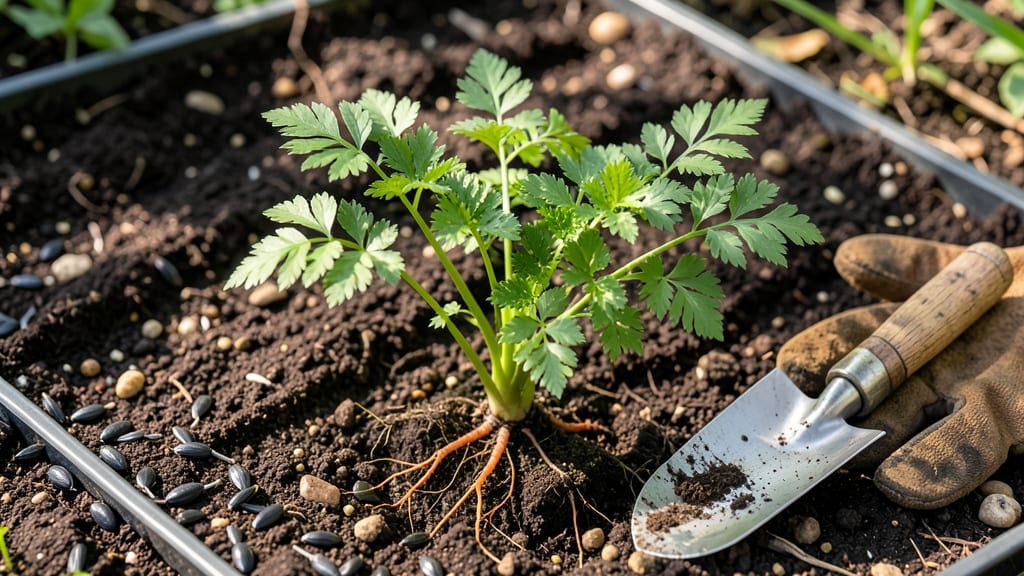
Planting carrot seeds at the wrong time in Michigan can mean the difference between a bumper crop of sweet, crisp 🥕 and a sad, woody disappointment. The key to success lies in understanding your local frost dates and soil conditions—because those 50-day varieties won’t wait forever for warm earth.
Most Michigan gardeners in zones 5b-6b have a narrow window to get seeds in the ground: between April 15 and June 15 for spring plantings, or July 1 to August 15 for fall harvests.
But timing isn’t just about dates—it’s about soil temperature, too. Cold soil slows germination, while summer heat can make carrots bolt or turn bitter.
In this guide, I’ll break down exactly when to plant for your specific zone, which varieties thrive in Michigan’s short season, and how to avoid common mistakes that waste your effort.
Whether you’re a first-time gardener or a seasoned pro, these tips will help you grow the best carrots your backyard has ever seen.
Ready to dig in? Let’s get those seeds in the soil at the perfect moment—because patience and preparation are the secrets to a harvest that’ll make your taste buds dance.
Michigan carrot planting calendar: frost dates by hardiness Zone (4-6)
Michigan’s hardiness zones 4-6 create unique challenges for carrot growers, where frost dates shift dramatically between northern and southern regions.
In Zone 4 (Upper Peninsula, northern Lower Peninsula), the average last frost date hovers around May 15, while Zone 6 (southern Michigan) typically sees frost-free conditions by April 20. These differences mean your planting window could vary by 3 weeks depending on where you live.
For spring planting, aim to sow seeds 2-3 weeks before your last frost date—this gives seedlings time to establish roots before soil temperatures hit 50°F (10°C), their ideal germination threshold.
In Zone 5 (central Michigan), that’s usually mid-April, but always check your local Michigan State University Extension frost maps for precision.
Fall planting offers a second harvest opportunity in Michigan, but timing is critical. Sow seeds 8-10 weeks before your first frost (typically early July in Zone 4 and late July in Zone 6) to ensure carrots mature before ground freezes.
Late-summer heat can also cause bolting, so choose shade-tolerant varieties like ‘Paris Market’ for August sowings.
| Zone | Last Frost Date | Spring Planting Window | Fall Planting Window | Soil Temp for Germination |
|---|---|---|---|---|
| 4 (Upper Peninsula) | May 15 | April 20 - May 5 | July 1 - July 15 | 50°F (10°C) |
| 5 (Central MI) | April 25 | April 1 - April 15 | July 15 - July 30 | 50°F (10°C) |
| 6 (Southern MI) | April 20 | March 25 - April 10 | July 30 - August 15 | 50°F (10°C) |
🌱 Pro Tip: Use row covers to extend spring planting by 2-3 weeks in cold zones!
Michigan’s unpredictable weather can throw off even the best-laid plans. If you’re in Zone 4 or 5, consider staggered sowings every 2 weeks from April through June to ensure a continuous harvest.
For example, plant half your seeds in early April and the rest in mid-May—this spreads out maturity and reduces the risk of bolting from heat stress.
Don’t forget to monitor soil temperature with a soil thermometer—carrot seeds won’t germinate below 50°F (10°C), even if frost isn’t a threat.
In northern Michigan, wait until soil warms to this threshold before planting, even if air temperatures seem mild. Cold, wet soil can lead to rotten seeds or poor germination, wasting your time and resources.
For fall carrots, prioritize early-maturing varieties like ‘Early Nantes’ (50 days) to harvest before frost. If you’re in Zone 6, you might even squeeze in a late August planting for a fall harvest—just use row covers to protect tender seedlings from early autumn chills.
In Zone 4, stick to July sowings to avoid overwintering risks.
Local microclimates also play a role. Gardens near large bodies of water (like the Great Lakes) or in urban heat islands may experience earlier frost-free dates than rural areas. Use neighborhood gardening groups or local extension offices to fine-t
Best carrot varieties for Michigan’s short season & how to time them
Michigan’s short growing season demands carrot varieties that mature quickly and tolerate cool temperatures. The right choice can mean the difference between a sweet harvest and a bitter disappointment. For spring plantings, I recommend Danvers and Nantes varieties—they thrive in cool soil and resist bolting when summer heat arrives.
Fall plantings? Opt for Chantenay or Paris Market—both handle Michigan’s unpredictable autumn weather better than longer-season types. These varieties also store well, so you can enjoy homegrown carrots through winter if you harvest before hard frost hits.
🥕 Variety Matchmaker for Michigan
🌱 Danvers Half Long
⏱️ 65-70 days
💡 Ideal for cool soil
🥕 Chantenay Red Cored
⏱️ 70-80 days
💡 Stores well in cold
🌿 Little Finger
⏱️ 50-60 days
💡 Perfect for succession
🌞 Rainbow
⏱️ 75-80 days
💡 Colorful, slow to bolt
To maximize your harvest, I swear by succession planting—sow seeds every 2-3 weeks from April through June. This ensures a steady supply of fresh carrots instead of one overwhelming harvest. For example, plant Little Finger every 14 days in May for baby carrots all summer long.
If you’re worried about late summer heat causing bolting, use shade cloth or plant near taller crops like corn or beans to provide afternoon shade. I’ve also had great success with row covers—they keep soil cooler and protect seedlings from sudden temperature swings.
For fall plantings, aim to get seeds in the ground by August 1 so they mature before frost. Chantenay varieties, in particular, handle Michigan’s cool autumn nights beautifully. Just remember: thin seedlings promptly to avoid overcrowding, which leads to stunted, forked roots.
Pro tip: Save seeds from your best-performing varieties! Michigan’s climate can be harsh, so selecting seeds from plants that thrive in your garden ensures next year’s crop will be even better.
Just let a few of your healthiest carrots bolt and go to seed—it’s like getting a free upgrade for next season.