
Companion Plants
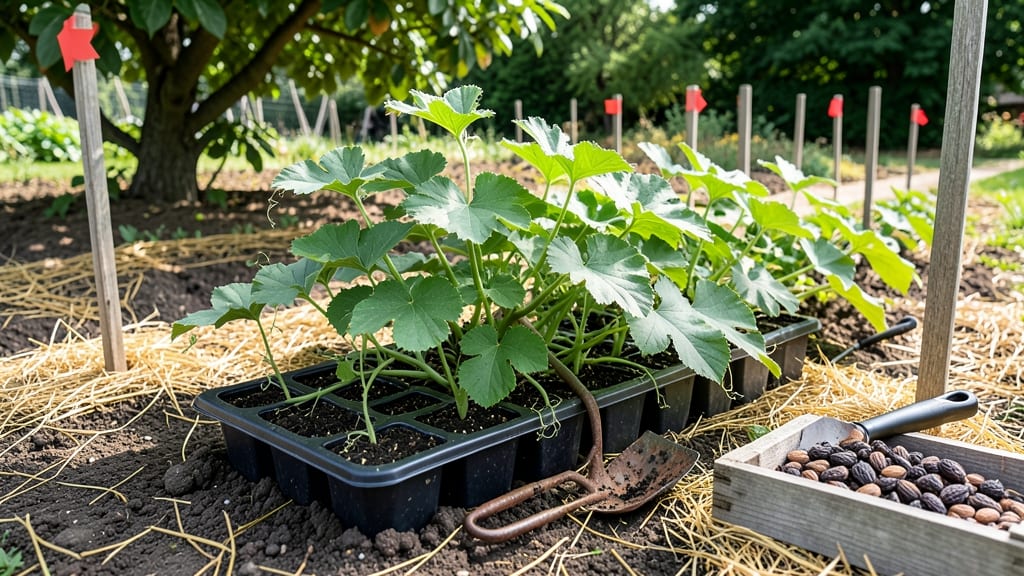
Planting cantaloupe in Pennsylvania isn’t just about dropping seeds in the dirt—it’s about waiting for the perfect heat wave to kick in, because this melon 🍈 refuses to play nice with cool soil or chilly nights.
If you’ve ever watched your seedlings wilt or your vines struggle, you know timing is everything, and getting it wrong means missing out on sweet, ripe fruit by summer’s end.
Here’s the truth: cantaloupe needs soil that’s at least 70°F and nights that stay above 55°F—conditions that usually arrive in late April or early May, depending on where you are in the state.
That’s why knowing your last frost date (typically around April 15 in most of PA) is just the first step. The real magic happens when you pair that with the right variety and a few pro tips to protect your plants from late frosts or unexpected cool snaps.
I’ve grown cantaloupe in zones 5-7 for years, and I’ll show you exactly how to time your planting—whether you’re starting seeds indoors or sowing directly—so you can enjoy that first ripe slice by July or August.
No more guessing, no more wasted effort. Just a foolproof plan to turn your garden into a cantaloupe oasis.
Ready to ditch the trial-and-error? Let’s break down the exact dates, soil secrets, and variety picks that’ll have your vines thriving and your kitchen stocked with homegrown sweetness. Your future self will thank you.
Optimal planting dates for cantaloupe in Pennsylvania (by region)
Pennsylvania’s diverse climate means your cantaloupe planting window depends heavily on your region. The Southeast enjoys warmer springs, while the Northwest faces cooler soils and later last frost dates.
For all areas, the key rule is: wait until soil temperatures reach 70°F+ and nighttime temps stay above 55°F—cantaloupes are heat-loving annuals that won’t thrive in cool conditions.
Most PA gardeners should aim to plant between late April and mid-May, but timing varies by USDA zones 5-7. In Zone 5 (Northwest PA), frost lingers until May 15, while Zone 7 (Southeast PA) can start as early as April 15.
Using row covers or black plastic mulch can help warm the soil faster in cooler regions.
Here’s how to align your planting with Pennsylvania’s microclimates:
| Region | Last Frost Date | Optimal Planting Window | Soil Temp Requirement | Best Method |
|---|---|---|---|---|
| Southeast PA (Zones 6-7) | April 15 | April 20 - May 10 | 70°F+ | Direct sow or transplant |
| Central PA (Zone 6) | April 25 | May 1 - May 15 | 70°F+ | Transplant seedlings |
| Northwest PA (Zone 5) | May 15 | May 20 - June 1 | 70°F+ (use mulch) | Start indoors, transplant |
For direct sowing, plant seeds ½ inch deep in hills spaced 3-4 feet apart. This method works best in warmer regions (Zones 6-7), where soil warms quickly. In cooler areas, transplanting seedlings (start indoors 4-6 weeks before last frost) gives cantaloupes a head start.
If you’re in Zone 5 or 6, consider using black plastic mulch to raise soil temperatures by 5-10°F. This trick extends your planting window by 1-2 weeks and speeds up germination. Just remove the mulch once vines start running to prevent overheating.
Pro tip: Succession planting every 2 weeks after your initial date ensures a staggered harvest. Since cantaloupes mature in 75-90 days, this method maximizes your yield before Pennsylvania’s first frost (typically mid-October).
One common mistake is planting too early—cantaloupes won’t germinate below 60°F, and seedlings will rot in cold, wet soil. Use a soil thermometer to confirm readiness; if temps dip below 70°F at night, delay planting until conditions stabilize.
For container growing, choose large pots (at least 15 gallons) and plant after May 15 in all but the warmest regions. Containers warm up faster than garden soil, but they also dry out quicker—so monitor moisture closely during Pennsylvania’s hot, humid summers.
Remember: Cantaloupes need heat to set fruit. If daytime temps stay below 80°F for extended periods, you may see poor pollination or blossom-end rot. Choose a sunny, sheltered spot to give your vines the best chance at success.
Best cantaloupe varieties for Pennsylvania gardens (heat-tolerant & fast-maturing)
Choosing the right cantaloupe variety can make all the difference in Pennsylvania’s variable climate. You’ll want varieties that thrive in USDA zones 5-7, tolerate cooler nights, and mature quickly before fall frost.
My top picks balance heat tolerance, disease resistance, and fast maturation—perfect for PA gardeners.
For cooler regions like northwestern PA, prioritize compact varieties with 60-70 day maturity. In southeastern PA, where summers last longer, you can opt for slightly larger varieties with 75-85 day maturity.
Always check seed packets for cold tolerance ratings—some varieties handle 50°F nighttime temps better than others.
Top Cantaloupe Varieties for PA
'Athena' is my go-to for northern PA gardens because it matures in just 65-70 days and handles cooler nights better than most. Its disease-resistant skin also means fewer issues with powdery mildew, a common problem in humid PA summers.
For southern PA, 'Hale's Best' delivers sweeter fruit with its 75-85 day maturity and larger vines.
'Minnesota Midget' is a hidden gem for short-season areas. This 60-65 day variety produces small but intensely sweet fruit perfect for container growing or small spaces. If you're in a warmer microclimate, 'Ambrosia' offers a balance with its 70-80 day maturity and excellent flavor.
Save 'Tasty Jewel' for experienced growers—it needs longer summers but rewards with exceptional size.
Pro tip: Always start seeds indoors 3-4 weeks before your last frost date for a head start. Use biodegradable pots to avoid transplant shock when moving seedlings outdoors. And remember—black plastic mulch can raise soil temps by 10°F+, helping varieties like 'Athena' thrive even in cooler PA zones.