
Plants
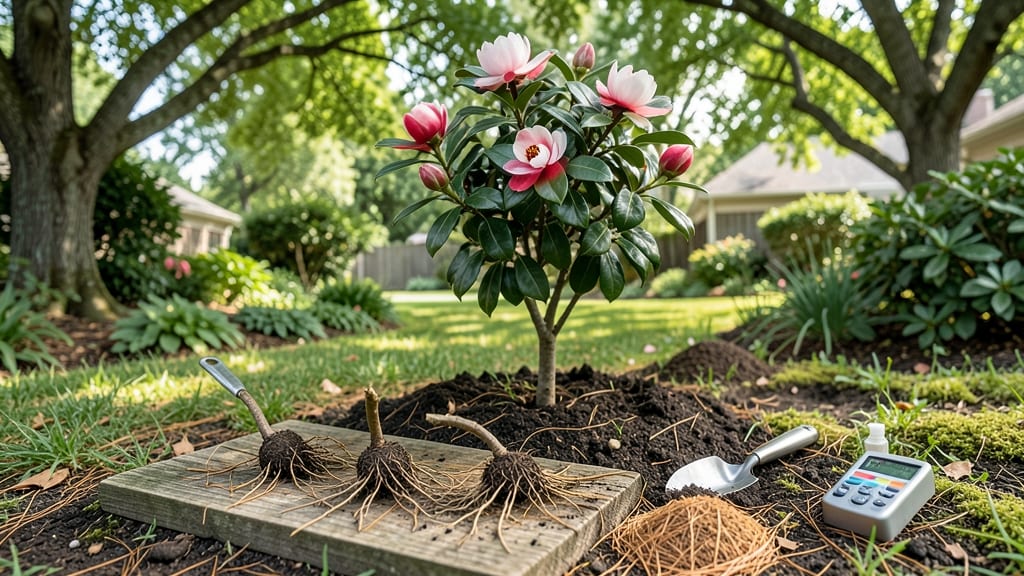
Planting your camellias at the right time in North Carolina isn’t just about throwing them in the ground—it’s the difference between a thriving 🌸 shrub that blooms year-round and one that struggles to take hold. With NC’s diverse zones (6b-8a) and unpredictable weather, timing matters more than you might think.
Most gardeners swear by fall planting—between October and November—when soil stays warm but temperatures cool, giving roots time to establish before winter. But if you’re in the cooler mountain regions (Zone 6b), early spring (February-March) might be your best bet to avoid early frosts.
The key? Understanding how your microclimate plays into the equation.
Whether you’re working with container-grown camellias or bare-root plants, getting the timing right sets the stage for healthier growth and bigger blooms. I’ll break down exactly when to plant in your specific zone, plus pro tips to keep your camellias flourishing once they’re in the ground.
Ready to transform your garden into a camellia paradise? Let’s dive into the best months to plant—and why they make all the difference for NC’s climate.
Best planting months for camellias in NC by hardiness Zone
North Carolina’s diverse climate—from the coastal plains to the mountain regions—means camellia planting timing varies by USDA Zone. Most of NC falls under Zones 7-8, but microclimates create nuanced differences. For Zone 7 (western NC), aim for October to November or February to early March.
In Zone 8 (coastal and piedmont), you can extend planting into December or even January for bare-root plants.
Coastal areas like Wilmington (Zone 8a) enjoy milder winters, allowing fall planting until December. Meanwhile, Asheville (Zone 7b) demands earlier fall planting by mid-October to avoid winter stress.
Always check your last frost date—most NC regions see frost by mid-November, but mountains can freeze earlier.
🌱
For container-grown camellias, timing is slightly more flexible. You can plant them anytime the ground isn’t frozen, but spring planting (March) gives roots time to establish before summer heat. Bare-root plants, however, must go in during their dormant season—fall or early spring—to minimize transplant shock.
If you’re in Zone 7 and planting in spring, rush to get them in the ground by late March to avoid the peak bloom period (fall/winter). In Zone 8, you can push spring planting to April, but fall remains superior for root establishment.
🌿
One critical factor across all zones is soil temperature. Camellias thrive when soil temps are between 50°F–65°F. Use a soil thermometer to check—if temps drop below 40°F, delay planting until spring.
In coastal areas, soil stays warmer longer, while mountain regions may need row covers for early fall plantings.
Pro tip: Acid-loving camellias hate alkaline soil. Test your soil’s pH (5.0–6.0 ideal) before planting. If your yard is too alkaline, amend with peat moss or sulfur 2–3 weeks before planting. This prep step makes all the difference in NC’s varied soils.
🪴
For landscape integration, plant camellias where they’ll receive morning sun and afternoon shade. In Zone 7, this might mean east-facing slopes; in Zone 8, partial shade under tall trees works well. Pair them with rhododendrons or azaleas for a NC-native garden that thrives year-round.
Remember: Fall planting gives camellias 6–8 weeks to establish roots before winter, while spring planting risks summer drought stress. Choose your timing based on your zone, microclimate, and plant type—and your garden will reward you with stunning blooms from fall to spring.
Fall planting vs. spring planting: which works better in NC?
North Carolina’s mild winters and humid summers make both fall and spring viable seasons for planting camellias—but timing matters more than you think. I’ve planted dozens of camellias in NC, and I’ve learned that each season offers unique advantages (and pitfalls) for root establishment and bloom success.
Fall planting, specifically October through November, gives camellias a head start on root growth before winter dormancy. The cooler soil temperatures reduce transplant shock, while consistent moisture helps roots spread.
In Zone 7, this is my preferred method—especially for bare-root plants—because the ground stays warm enough for root development but cools before frost sets in.
Spring planting, ideally February to early March, aligns with the plant’s natural growth cycle but requires more vigilance against late frosts.
In Zone 8 and 9, where winters are milder, spring planting can work well, but you’ll need to protect young plants if a hard freeze sneaks in. Container-grown camellias handle spring planting better than bare-root, as their roots are less stressed.
Fall Planting
- Cooler soil reduces shock
- Established roots before winter
- Less competition from weeds
- Limited time before frost
- Dormancy delays spring blooms
- Fungal risks if planted too late
Spring Planting
- Full growing season ahead
- Earlier blooms next year
- Easier to monitor for pests
- Late frost risks in Zone 7
- Drought stress in summer
- Higher transplant shock in heat
For coastal NC (Zone 8-9), spring planting often yields better bloom times because the milder winters mean less dormancy stress. But in the Piedmont (Zone 7), fall planting gives roots a critical advantage—they’ll be ready to burst into growth as soon as temperatures rise.
I’ve seen fall-planted camellias in Zone 7 bloom earlier than spring-planted ones because their root systems are already established.
One non-negotiable for both seasons: soil temperature. Camellias thrive when soil temps are between 60°F and 70°F. In spring, wait until the ground warms up—stick your finger in the soil; if it’s too cold, roots won’t grow.
In fall, plant at least 6-8 weeks before the first frost to allow roots to settle in.
Pro tip: If you’re on the fence, container-grown camellias are more forgiving—they adapt better to both seasons. But for bare-root plants, fall is your best bet in Zone 7. Either way, mulch heavily after planting to retain moisture and regulate soil temperature. 🌿