
Plants
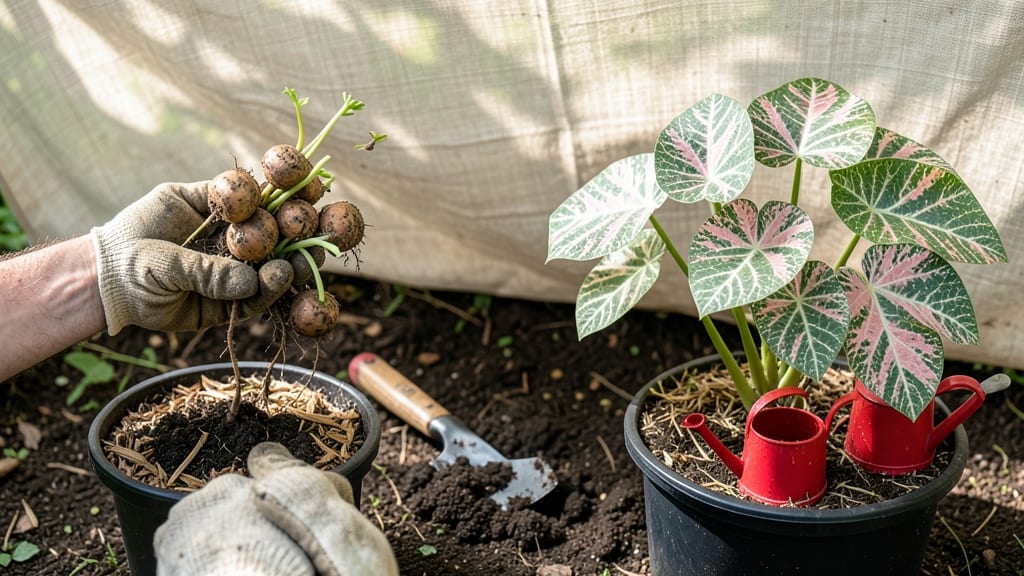
Planting caladium bulbs at the wrong time in Houston means wilting leaves and lost color before summer even hits. The key to vibrant 🌿 foliage that thrives in Zone 9a’s heat is knowing exactly when to get them in the ground—before the soil heats up but after the last frost.
Most gardeners in Houston rush to plant too early, only to watch their caladiums struggle in cool soil. But timing it right—between March and April—gives these shade-loving plants the perfect head start.
That’s when soil temperatures finally hit that sweet spot of 60°F+, signaling it’s go-time for your bulbs.
What happens if you miss this window? You’ll either have stunted growth from cool soil or burned leaves from planting too late. I’ll show you how to read your Houston garden’s cues—like soil warmth and humidity—to lock in the best planting dates for maximum impact.
Ready to transform your shady spots into a summer-long foliage display? Let’s break down the exact steps to plant caladiums for bold, heat-resistant color that lasts all season.
Houston’s ideal caladium planting timeline by heat Zone
Houston’s USDA Zone 9a climate gives caladium bulbs a narrow but critical planting window—typically between mid-March and early April. This aligns with when soil temperatures consistently hit 60°F+, signaling it’s safe from lingering frost while avoiding summer’s brutal heat.
Planting too early risks cold soil stress, while waiting too long may leave your bulbs struggling in Houston’s 90°F+ afternoons.
For urban gardeners, microclimates matter. Areas near concrete or pavement may warm faster than rural spots, allowing a 2-week earlier planting window. Always test soil temperature with a thermometer—60°F is your magic number for root initiation.
In Houston’s heat, this usually means waiting until after March 15 unless you’re in a cooler microclimate.
🌱 Did You Know? Caladiums thrive in Houston’s summer heat because they’re dormant in winter. Their bulbs naturally store energy for spring blooms, making them perfect for our long, hot growing season.
| Planting Stage | Houston Timeline | Key Action | Soil Temp |
|---|---|---|---|
| Prep Soil | Late February | Amend with compost | 55°F+ |
| Plant Bulbs | Mid-March to Early April | 4-6" deep, 6-8" apart | 60°F+ |
| Fertilize | Early April | Balanced 10-10-10 | 65°F+ |
| Mulch | April | 2" organic mulch | 70°F+ |
| Bloom Period | May–September | Enjoy foliage! | 80°F+ |
Houston’s second planting window opens in late August for a fall display. This works because caladiums tolerate heat better than cold—they’ll sprout in Houston’s 90°F soil but need afternoon shade to prevent leaf scorch.
For this window, choose heat-tolerant varieties like ‘White Queen’ or ‘Flamingo Pink’, which handle our humidity better than delicate types.
Pro tip: Container growing extends your options. Plant in black pots (absorbs heat) and place them on elevated stands to improve drainage—a must in Houston’s heavy clay soil. Use a moisture meter to avoid overwatering, which causes bulb rot in our sticky summers.
If you’re in Zone 8b (northern Houston), aim for April 1–15 planting. The 10-day rule applies here: wait until the average low temperature stays above 55°F nightly. Check the National Weather Service Houston forecast for your exact neighborhood trends.
For urban gardeners, shade is your ally. Caladiums need partial shade—think dappled sunlight under trees or a 30% shade cloth during peak afternoon heat (12–4 PM). Without this, their leaves will bleach out in Houston’s UV intensity, ruining their vibrant patterns.
Remember: No frost protection is needed in Houston, but mulching early (by April 1) helps regulate soil temperature. Use straw or pine needles—they break down slowly and add organic matter. Avoid plastic mulch; it traps too much heat for caladiums’ delicate roots.
🌿 Key Takeaway: Houston’s 60°F soil trigger is non-negotiable. Plant too early, and your bulbs rot; too late, and they’ll struggle in summer heat. Use a soil thermometer—it’s your best friend for perfect timing!
Signs your Houston garden is ready for caladium bulbs (and what to avoid)
Houston’s humidity and heat create the perfect stage for caladiums—but only if you plant at the right time. The key is watching for soil temperature and environmental cues that signal your garden is ready.
Plant too early, and your bulbs may rot in cool soil; too late, and you’ll miss peak foliage.
First, check your soil temperature with a thermometer. Caladium bulbs need soil that’s warmed to at least 60°F. In Houston, this typically happens by mid-March, but rural areas may lag behind urban spots due to heat island effects. Pro tip: Use a soil thermometer for accuracy—don’t guess!
Next, look for new growth on your bulbs if you’ve pre-sprouted them indoors. If you see tender green shoots peeking through, your soil is likely warm enough.
However, if your bulbs are still dormant, wait another week or two. Patience here prevents fungal diseases like root rot, which thrive in Houston’s damp spring air.
⚠️ Houston-Specific Warning
Avoid planting when:
- Soil is below 60°F – Bulbs won’t sprout, risking rot.
- Heavy rains are forecasted – Excess moisture drowns bulbs.
- Afternoon sun is intense – New shoots can scorch.
Houston’s spring showers can delay planting—always check the 7-day forecast before digging.
Pay attention to pest activity, too. Slugs and snails love young caladium shoots, and Houston’s high humidity makes them more active in spring. Set out beer traps or diatomaceous earth a few days before planting to deter them.
Also, watch for aphids on nearby plants—they’ll target caladiums if given the chance.
Finally, observe your garden’s microclimate. Shady spots under trees or near buildings may stay cooler longer, while south-facing beds warm up faster. If your yard has varied sun exposure, plant heat-loving varieties like ‘White Queen’ in sunnier areas and ‘Flamingo Pink’ in partial shade.
This tweak ensures your entire display thrives.
Once you’ve confirmed the soil is warm, pests are managed, and your caladium bulbs are ready to grow, it’s time to plant. But remember: consistent moisture is critical in Houston’s sweltering summers. Mulch heavily to retain moisture and protect roots from temperature swings.