
Plants
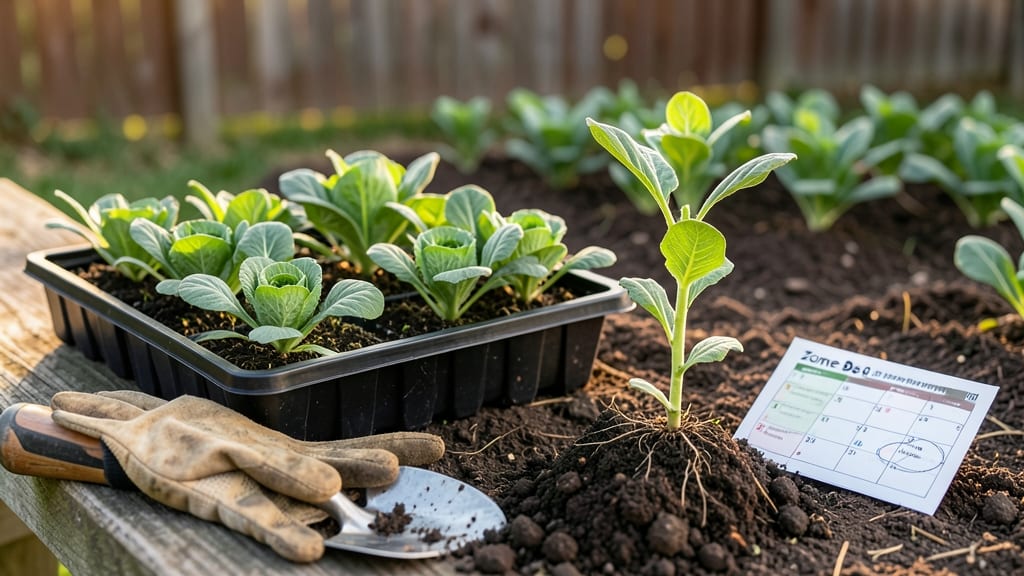
Planting cabbage in Zone 8a at the wrong time can mean the difference between a bumper crop of crisp 🥬 and a sad, bolted mess.
The key is knowing exactly when to start seeds or transplant seedlings to avoid frost damage or summer heat stress—because cabbage isn’t picky, but it is particular about timing.
In Zone 8a, where last frosts linger around mid-February and first frosts arrive by mid-November, your best bets are early spring (February–March) or late summer (August–September). These windows give your cabbage the 60–70 days it needs to mature before heat or cold ruins your harvest.
But here’s the catch: not all cabbage varieties handle Zone 8a’s mild winters the same way. Some cold-resistant types thrive when planted in January, while others bolt if temperatures dip too low.
I’ll break down the exact dates and varieties that work best in your region—so you can stop guessing and start growing.
Ready to master the art of cabbage timing? Let’s dive into the perfect planting schedule for Zone 8a, plus pro tips to stretch your growing season and keep pests at bay. Your garden (and taste buds) will thank you.
Optimal planting dates for cabbage in Zone 8a: fall vs spring strategies
In Zone 8a, cabbage thrives when planted at precise times to avoid frost damage or heat stress. The key is timing your seedlings or transplants to align with the 210 frost-free days this zone offers.
Spring and fall planting windows differ drastically, so let’s break down the exact dates for success.
For spring cabbage, aim to plant 4-6 weeks before your last frost date—typically mid-February to early March in Zone 8a. This gives seedlings enough time to mature before summer heat sets in. If you’re starting from seeds, begin indoors 6-8 weeks earlier to ensure robust transplants.
Fall cabbage, however, requires a later start. Plant 8-10 weeks before your first frost, usually late August to early September. This timing ensures heads mature before winter chill arrives. Coastal areas in Zone 8a may extend this window slightly due to milder microclimates.
| Planting Window | Zone 8a Dates | Key Considerations |
|---|---|---|
| Spring Planting | Mid-February to Early March | Avoid late frosts; use row covers if needed. |
| Fall Planting | Late August to Early September | Extend season with cold frames or mulch. |
| Late Summer Succession | July (for fall harvest) | Choose heat-tolerant varieties like ‘Golden Acre’. 🥬 |
Zone 8a’s microclimates play a huge role in success. Inland areas may experience earlier frosts than coastal regions, so adjust your planting dates accordingly. For example, San Diego’s coastal Zone 8a can support year-round cabbage growth with proper protection, while inland Phoenix requires stricter timing.
If you’re unsure about your local frost dates, check your USDA Plant Hardiness Zone Map or use a frost calendar from your local Cooperative Extension Service.
These resources provide hyper-local insights that generic guides miss. Pro tip: Mark your calendar for February 15 (last frost) and November 15 (first frost) as your anchors.
For direct sowing, plant seeds 1/4 inch deep and 12 inches apart in well-draining soil with a pH of 6.5-7.0. If transplanting, space plants 18-24 inches apart to allow airflow and reduce disease risk. Mulch with straw or shredded leaves to retain moisture and suppress weeds.
Heat stress is your biggest enemy in Zone 8a’s summer. Cabbage bolts (prematurely flowers) when temperatures exceed 80°F (27°C) for prolonged periods. To mitigate this, opt for shade cloth during peak heat or grow bolt-resistant varieties like ‘Red Express’ or ‘January King’.
These varieties stay crisp even when temperatures flirt with 90°F (32°C).
Finally, don’t overlook succession planting. In Zone 8a, you can squeeze in two harvests per year by staggering plantings every 2-3 weeks during the optimal windows.
This ensures a steady supply of fresh cabbage without overwhelming your garden at once. Start with a small batch to test your timing before scaling up.
With these Zone 8a-specific dates and strategies, you’ll avoid the common pitfalls of frost damage and bolting while maximizing your harvest. Soon, you’ll be enjoying homegrown cabbage from spring through fall—no bitter surprises here! 🌱
Optimal planting dates for cabbage in Zone 8a: fall vs spring strategies
In Zone 8a, cabbage thrives with precise timing—too early and frost zaps seedlings, too late and summer heat triggers bolting. My strategy? Plant twice: early spring for spring harvests and late summer for fall yields.
The key is working within your 210 frost-free days, with last frost around February 15 and first frost near November 15.
For spring cabbage, start seeds indoors 6-8 weeks before last frost (mid-December to early January) or direct-sow 4-6 weeks before (late January to early February). Transplant seedlings when soil hits 45°F—cooler temps slow growth but prevent bolting.
Fall plantings require even more precision: direct-sow seeds 8-10 weeks before first frost (mid-September to early October) for mature heads by harvest.
| Planting Window | Action | Soil Temp | Harvest Time |
|---|---|---|---|
| Early Spring (Jan-Feb) | Direct-sow seeds or transplant seedlings | 45-55°F | May-July |
| Late Summer (Aug-Sept) | Direct-sow seeds for fall heads | 60-70°F | Oct-Dec |
| Winter (Dec) | Start seeds indoors for spring | 65-75°F (indoors) | May-July |
Microclimates matter in Zone 8a! Coastal areas stay milder—extend fall plantings by 2-3 weeks—while inland zones may need row covers to protect seedlings. Always check your local frost dates; even Zone 8a can surprise you with late frosts.
I’ve had January King cabbage survive 28°F with mulch, but young seedlings? They’re frost’s favorite snack.
Pro tip: Use succession planting every 2 weeks in spring/fall to stagger harvests. Sow a few seeds, then repeat—this ensures a steady supply instead of one big harvest. Pair fast-maturing varieties like ‘Golden Acre’ (50 days) with slower growers like ‘Red Express’ (70 days) for a balanced timeline.
Overcrowding? Thin seedlings to 12-18 inches apart—crowded plants yield small, misshapen heads.
Heat stress is your biggest enemy in Zone 8a summers. If temps hit 85°F+, cabbage bolts faster than a rabbit in a garden. To beat the heat, use shade cloth (30-50%) or plant in partial shade during peak afternoons.
My late August plantings always do best with afternoon shade—crisp heads by November, no bitter surprises.
Remember: Soil prep is non-negotiable. Cabbage craves rich, slightly acidic soil (pH 6.0-7.0). Amend with compost and a balanced fertilizer (5-10-10) before planting.
Mulch with straw to retain moisture and deter weeds—Zone 8a’s dry spells can turn your cabbage into crunchy disappointment faster than you can say “pest attack.”