
Plants
Planting cabbage in Oklahoma isn’t just about timing—it’s about outsmarting the state’s wild swings from frost to scorching heat. Miss the window, and you’ll either lose tender seedlings to late freezes or watch your heads turn bitter under summer’s glare.
The key to success? Knowing exactly when to get those seeds in the ground for crisp, sweet harvests—whether you’re aiming for spring or fall crops.
With Oklahoma’s 6a-8a zones, your planting schedule shifts depending on whether you’re in the cooler northern reaches or the warmer southern plains.
I’ll break down the best months to start seeds indoors or transplant seedlings, so you can avoid common mistakes that leave gardeners pulling out their hair in May or September. Trust me, getting this right means fewer headaches and more homegrown 🥬 on your table.
You might think all cabbage is created equal, but Oklahoma’s climate demands the right varieties—some bolt in heat, others wilt in humidity. I’ll share which types thrive here and how to adjust your planting timeline based on your specific zone.
Whether you’re a first-time gardener or a seasoned green thumb, these insights will help you grow cabbage that’s faster, more reliable, and way more delicious than store-bought.
Ready to ditch the guesswork? Let’s dive into the exact dates, soil prep tricks, and protective measures that’ll keep your cabbage thriving—no matter what Oklahoma throws your way. Your future crisp salads (and braised cabbage rolls) will thank you.
Oklahoma cabbage planting calendar by heat Zone: exact dates for fall and spring success
Oklahoma’s diverse USDA Hardiness Zones 6b-8a create unique challenges for cabbage growers. The key to success lies in timing your planting windows precisely to avoid frost damage in spring and heat stress in summer.
In northern Oklahoma (Zone 6b), your last frost typically arrives around March 15, while southern regions (Zone 8a) can plant as early as February 20. This variation means your planting schedule must adapt based on your exact location.
For spring cabbage, aim to plant seeds indoors 6-8 weeks before your last frost date or transplant hardened-off seedlings 2-3 weeks before the final frost. In Oklahoma, this translates to early March for northern areas and late February for southern regions.
Fall cabbage requires even more precision—start seeds indoors 100-120 days before your first frost (typically mid-July for northern Oklahoma and early August for southern areas).
| Zone | Spring Planting | Fall Planting | Harvest Window |
|---|---|---|---|
| 6b (Northern OK) | Indoors: Feb 15-March 1 Outdoors: March 15-April 15 |
Indoors: July 1-August 1 Outdoors: August 15-Sept 15 |
May-June & Sept-Oct |
| 7a (Central OK) | Indoors: Feb 1-March 1 Outdoors: March 1-April 10 |
Indoors: June 30-July 31 Outdoors: August 1-August 20 |
April-June & Sept-Oct |
| 8a (Southern OK) | Indoors: Jan 20-Feb 15 Outdoors: Feb 20-March 10 |
Indoors: July 1-July 15 Outdoors: July 20-August 10 |
March-April & Sept-Nov |
Soil temperature plays a critical role in cabbage germination. Seeds won’t sprout reliably below 40°F (4°C), and ideal soil temps for planting range between 50-75°F (10-24°C). In Oklahoma’s spring, this means waiting until late March for direct sowing in most zones.
For fall crops, soil should stay above 50°F (10°C) for at least 8 hours daily—a challenge in Oklahoma’s hot summers, which is why shade cloth becomes essential.
Don’t overlook microclimates in Oklahoma. Urban areas like Oklahoma City (Zone 7a) often experience 5-10°F warmer nights than rural areas, allowing for slightly earlier spring plantings. Conversely, high-elevation areas like the Wichita Mountains (Zone 6b) may need to wait an extra week before transplanting.
Always check local frost dates from the Oklahoma State University Extension for precision adjustments.
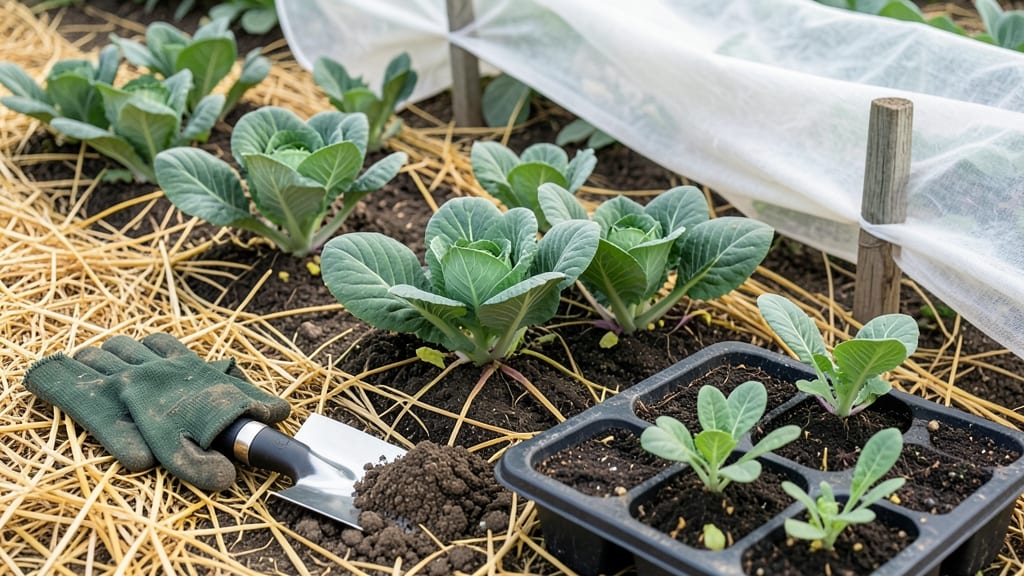
For successful transplants, harden off seedlings for 7-10 days before moving them outdoors. In Oklahoma’s dry climate, mulch heavily with straw or grass clippings to retain moisture and regulate soil temperature. This is especially important during April’s unpredictable rain and September’s scorching heat before the first frost.
Pro tip: Use biodegradable pots when transplanting to avoid root disturbance. In Oklahoma’s clay-heavy soils, amend beds with compost or aged manure to improve drainage and fertility.
Cabbage thrives in slightly acidic soil (pH 6.0-6.8), so test your soil in early spring and adjust with lime or sulfur as needed.
Timing your harvest is just as crucial as planting. Spring cabbage should be ready by late May to June, while fall crops mature between September and October. In southern Oklahoma (Zone 8a), you can even extend harvests into November with row covers protecting against early frosts.
Always harvest when heads are firm and compact—waiting too long risks bolting or split heads.
How to adjust cabbage planting for Oklahoma’s unpredictable weather patterns
Oklahoma’s weather is famously mercurial—one week you’re shivering through frost, the next you’re sweating under 100°F heat. For cabbage, this means late frosts can kill seedlings, while early heat waves trigger bolting (those bitter, flowery stalks you definitely don’t want).
The trick? Proactive adjustments like staggered planting, protective covers, and smart watering to keep your crop on track.
I’ve learned the hard way that planting all your cabbage seeds at once is a gamble in Oklahoma. Instead, use a staggered approach: Sow seeds every 2-3 weeks from March through April for spring crops, and again in July for fall.
This ensures a continuous harvest window and spreads risk if one batch gets zapped by frost or heat. For example, if your last frost date is March 15, start your first batch indoors in early February and transplant in late March—then follow up with another batch 2 weeks later.
Another critical move? Row covers and shade cloth are your best friends. Lightweight frost blankets (like Agribon) can raise soil temps by 5-8°F, protecting seedlings from late frosts. For summer heat, use 30-50% shade cloth to block intense sun while still allowing airflow.
I’ve seen cabbage heads bolt in 90°F heat—shade cloth buys you 2-3 extra weeks of sweet, crisp harvests.
Watch for Oklahoma’s "False Springs"
Oklahoma’s false springs (warm spells in winter) can fool you into planting too early. If temps dip below 25°F, even hardened seedlings will die. Always check the 10-day forecast before transplanting outdoors. For extra safety, use black plastic mulch to warm soil faster and protect roots from cold snaps.
Pro Tip: Plant cabbage near corn or tomatoes—their taller stalks create microclimates that shield cabbage from wind and frost.
Watering is where most Oklahoma gardeners trip up. Cabbage needs consistent moisture, but soggy soil leads to rot. Aim for 1-2 inches per week, delivered in the morning to let foliage dry before nightfall (preventing fungal diseases like downy mildew).
During Oklahoma’s dry spells, mulch with straw or grass clippings to retain moisture. I’ve seen cabbage heads split from uneven watering—keep soil evenly damp, not drenched.
For fall crops, time your planting so heads mature 100-120 days before the first frost (typically mid-November in most of Oklahoma).
If you’re in Zone 8a (like Oklahoma City), you might squeeze in a late fall harvest, but Zone 6a gardeners (northwest OK) should plan for earlier maturing varieties like ‘Golden Acre’ to avoid winter’s chill.
Finally, don’t ignore soil temperature. Cabbage seeds won’t germinate well below 45°F. Use a soil thermometer to check—if it’s cooler, wait or start seeds indoors under grow lights.
In my garden, I’ve had better luck with electric heating mats for early starts, especially in cooler microclimates like the Arbuckle Mountains region.