
Plants
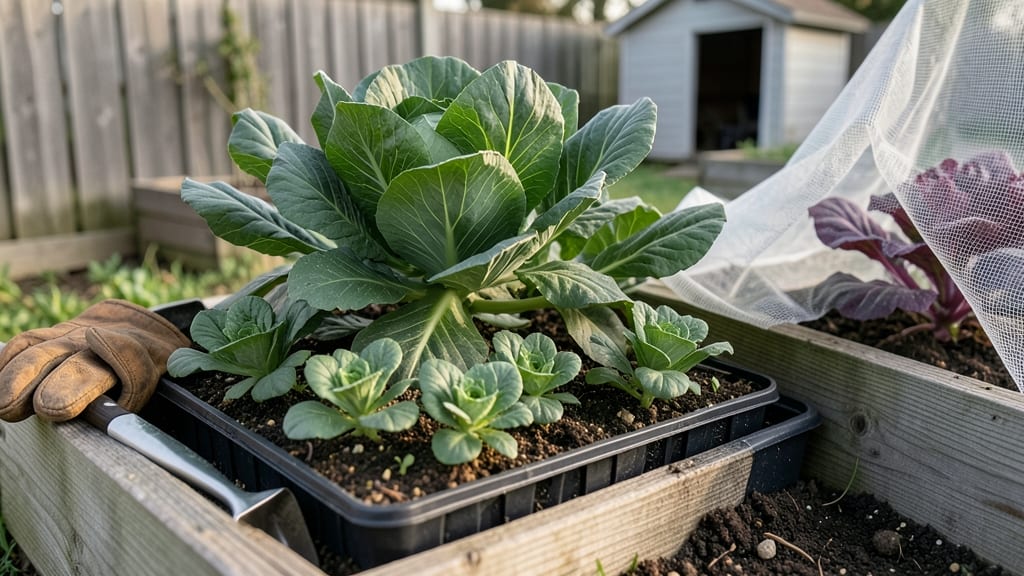
Timing your cabbage 🥬 planting in Colorado isn't just about the calendar—it's about beating the unpredictable mountain frost that can turn your crop into a sad, stunted mess. Whether you're a seasoned gardener or just starting, getting this right means the difference between a heady harvest and a bolted disappointment.
Colorado's USDA zones 5-7 and high-altitude swings make the spring and fall windows critical. Plant too early, and your cabbage will bolt from the cold; too late, and you’ll miss the sweet spot before summer heat sets in.
I’ve tested the best strategies for both direct sowing and starting seeds indoors to help you nail those March-April and August-September deadlines—no guesswork needed.
Let’s break down exactly when to plant for your specific region—whether you’re on the Front Range, the Western Slope, or the Eastern Plains—plus the cold-hardy varieties that thrive here.
You’ll also discover how to stretch your growing season with simple tricks like row covers and succession planting, so you can enjoy fresh cabbage from May to November.
Ready to grow cabbage that’s bold, crisp, and ready to harvest? By the end of this guide, you’ll know the exact dates, soil prep secrets, and variety picks to make your Colorado garden a cabbage powerhouse.
Colorado cabbage planting calendar: frost dates by elevation zone
Colorado’s diverse elevation zones create wildly different frost timelines—what works in Denver (5,280 ft) may fail in Grand Junction (4,430 ft) or Aspen (7,800 ft). Understanding these patterns is key to avoiding bolted cabbage or frost-damaged seedlings.
Below, I’ve broken down the last frost dates by region, so you can plan your spring and fall planting windows with confidence.
For Front Range gardens (Denver, Boulder, Fort Collins), aim to plant 4-6 weeks before your average last frost date. The Western Slope (Grand Junction, Colorado Springs) enjoys 10-14 days earlier last frosts, while high-elevation areas (above 7,000 ft) may face frosts until mid-June.
Fall planting? Start 8-10 weeks before your first frost to ensure maturity before winter sets in.
Here’s the frost-free timeline you need to know for each zone:
Pro tip: Use row covers to extend your spring planting window by 2-3 weeks in colder zones. For example, in Aspen, you can start transplanting as early as April 1 with protection. Just remove covers when heads form to prevent overheating.
If you’re direct sowing (not transplanting), add 2 extra weeks to these timelines. Seeds need consistent soil temps above 40°F to germinate, so wait until mid-April in Denver or late March in Grand Junction for best results.
For fall cabbage, prioritize fast-maturing varieties (like ‘Early Jersey Wakefield’) to beat the first frost. In Colorado Springs, you can push it until September 15 for a harvest by November 1, but Denver’s shorter season limits you to August 15 for a late-October harvest.
Remember: Cabbage hates heat. Planting in late May or June will trigger bolting (premature flowering). Stick to the early spring or late summer windows above for the best results.
🌱
Best cabbage varieties for Colorado’s climate and their ideal planting times
Colorado’s diverse climate demands cabbage varieties that thrive in both cool springs and warm summers. Choosing the right type ensures successful growth and avoids bolting or stunted heads. Heat-tolerant varieties like ‘Golden Acre’ excel in summer, while cold-hardy options like ‘January King’ survive late falls. Understanding each variety’s days-to-maturity helps you plan planting windows for a continuous harvest. For Colorado’s shorter growing season, transplanting seedlings is often better than direct sowing. Start seeds indoors 4-6 weeks before your last frost date (typically March 15–April 1 for most regions). Fast-maturing varieties like ‘Early Jersey Wakefield’ (58 days) work well for early spring, while slower varieties like ‘Red Express’ (80 days) need a longer season.| Variety | Days to Maturity | Best Planting Window | Colorado Adaptability |
|---|---|---|---|
| Golden Acre | 60-70 days | Late May–June (transplant) | Heat-tolerant; ideal for summer |
| January King | 90-100 days | July–August (transplant) | Cold-hardy; stores well for winter |
| Early Jersey Wakefield | 58-65 days | March–April (transplant) | Fast-growing; spring favorite |
| Red Express | 80-90 days | May–June (direct sow) | Colorful; needs longer season |
For high-altitude areas (above 7,000 ft), extend your season with cold frames or low tunnels. These methods add 2–4 weeks to your growing window, allowing you to plant earlier in spring or later in fall. Always monitor soil temperatures—cabbage prefers 50–75°F for optimal growth.
My top recommendation for Colorado gardeners? ‘Golden Acre’ for summer and ‘January King’ for winter storage. These varieties balance heat tolerance and cold hardiness, making them ideal for Colorado’s unpredictable weather. Pair them with succession planting every 2–3 weeks for a continuous harvest from spring to fall 🥬.