
Companion Plants
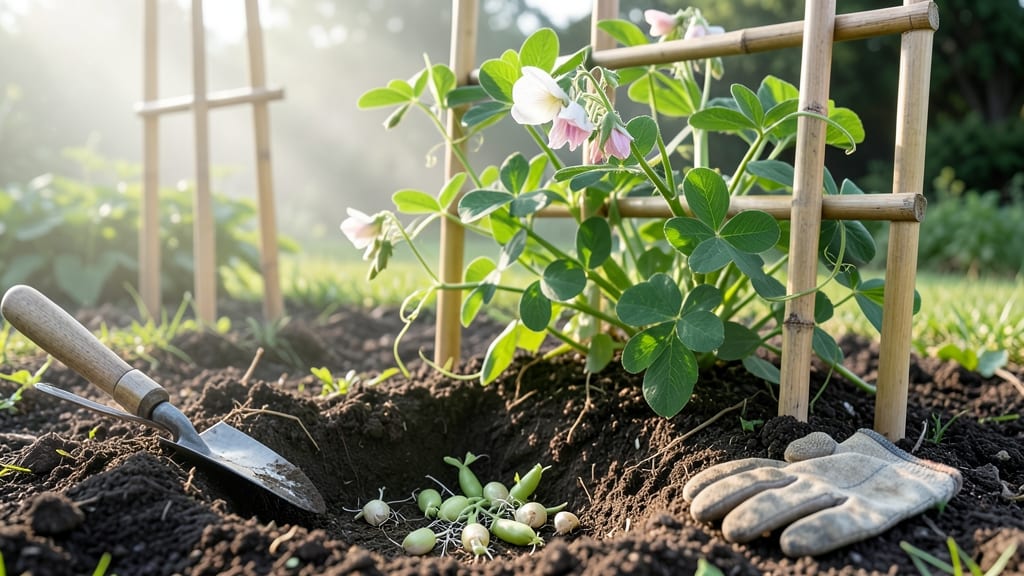
If you’ve ever stared at a packet of pea seeds wondering, "When can I plant peas in Zone 6?"—you’re not alone. The answer isn’t just about the calendar; it’s about catching that sweet spot between frost and heat where your 🌱 thrives.
Zone 6 gardeners have two prime windows: early spring (March–April) or late summer (July–August) for a fall harvest. Plant too early, and frost zaps your seedlings. Too late, and summer’s heat stunts growth.
The key? Timing it right for your variety—whether shelling, snap, or snow peas—and knowing when to shield them from cold snaps.
I’ll break down the exact frost-free timeline, soil prep tricks, and how to stretch your growing season. No more guessing—just a foolproof plan to turn your garden into a pea-producing powerhouse.
Ready to skip the trial-and-error? Let’s dive into the best dates, varieties, and strategies to maximize your harvest—without wasting a single seed.
Zone 6 pea planting calendar: exact dates by variety type
Peas thrive in Zone 6’s cool climate, but planting them at the wrong time can lead to poor germination or bolting. The key is understanding your last frost date (typically April 15) and temperature thresholds—peas germinate best between 35°F and 50°F.
For a successful harvest, aim to plant peas 4-6 weeks before your last frost or 2-3 months before your first frost for fall crops.
Zone 6 gardeners have two main planting windows: early spring (February–April) and late summer (July–August). Spring-planted peas yield in June–July, while fall-planted varieties mature by October–November. The difference? Fall peas need cold-hardy varieties and protection from early frosts.
Peas are categorized into three types: shelling peas, snap peas, and snow peas, each with slightly different planting windows. Shelling peas, like 'Green Arrow', are the most cold-tolerant and can handle light frosts after sprouting.
Snap peas, such as 'Sugar Snap', prefer slightly warmer soil but still thrive in early spring. Snow peas, like 'Oregon Sugar Pod', need consistent warmth and are best planted in late spring or summer.
Here’s a quick reference for your Zone 6 pea planting schedule:
| Variety Type | Spring Planting Window | Fall Planting Window | Days to Maturity | Notes |
|---|---|---|---|---|
| Shelling Peas | February 15–March 31 | July 15–August 15 | 55–70 days | Most cold-hardy; plant as soon as soil is workable. |
| Snap Peas | March 15–April 15 | July 1–August 10 | 50–65 days | Prefer slightly warmer soil; avoid late spring plantings. |
| Snow Peas | April 15–May 15 | July 20–August 20 | 60–75 days | Need consistent warmth; best for late-season harvests. |
For spring plantings, start seeds indoors 4–6 weeks before your last frost to get a head start. Direct-sow outdoors as soon as the soil reaches 40°F, even if light frosts are still expected.
Use row covers or cold frames to protect young plants from hard frosts (below 25°F), which can kill emerging seedlings.
Fall plantings require careful timing. Aim to sow seeds 80–100 days before your first frost (typically by July 15 in Zone 6). Choose fast-maturing varieties like 'Little Marvel' (55 days) to ensure pods mature before cold weather sets in.
Avoid planting too late—peas won’t tolerate soil temperatures above 80°F, which can cause poor germination or bolting.
Succession planting is a game-changer for Zone 6 gardeners. Instead of sowing all your peas at once, plant every 2–3 weeks from February to April for a continuous harvest. This method also reduces the risk of pea moth infestations, which thrive in dense plantings.
For fall crops, stagger plantings in July and August to extend your harvest window.
Always test your soil’s pH (6.0–7.0) and amend with compost or aged manure before planting. Peas are nitrogen-fixing plants, meaning they improve soil health, but they still benefit from phosphorus-rich fertilizer at planting time. Avoid over-fertilizing with nitrogen, which can reduce pod production.
Pro tip: Mark your planting dates on a garden calendar and set reminders for harvesting every 2–3 days once pods appear. Peas are ready to pick when they’re plump, bright green, and snap easily. Waiting too long turns sweet pods into tough, stringy messes.
Zone 6 pea planting calendar: exact dates by variety type
Peas are cool-season champions in Zone 6, but their planting window is narrower than you might think. The ideal soil temperature for germination is between 40°F and 70°F, with 50°F being perfect.
Plant too early, and frost will kill tender seedlings; too late, and summer heat stunts growth. Let’s break down the exact frost-free planting windows for each pea type.
For spring planting, aim for 4-6 weeks before your last frost date (typically March 15–April 15 in Zone 6). For fall planting, sow seeds 80–100 days before your first frost (usually July 15–August 15).
Timing varies slightly by pea type—shelling, snap, and snow peas each have their own sweet spot.
Here’s your Zone 6 pea planting timeline by variety, including soil prep tips and frost protection strategies:
Pro tip: If your soil temperature dips below 40°F, wait until it warms up—even if the calendar says it’s time. Use a soil thermometer to check; peas won’t germinate in cold soil. For fall planting, prioritize fast-maturing varieties (under 60 days) to beat frost.
Once you’ve nailed the planting window, the next step is protecting your peas from late frosts or early heat waves. I’ll cover row covers, succession planting, and other tricks to stretch your harvest in the next section. Stay tuned!
🌱