
Plants
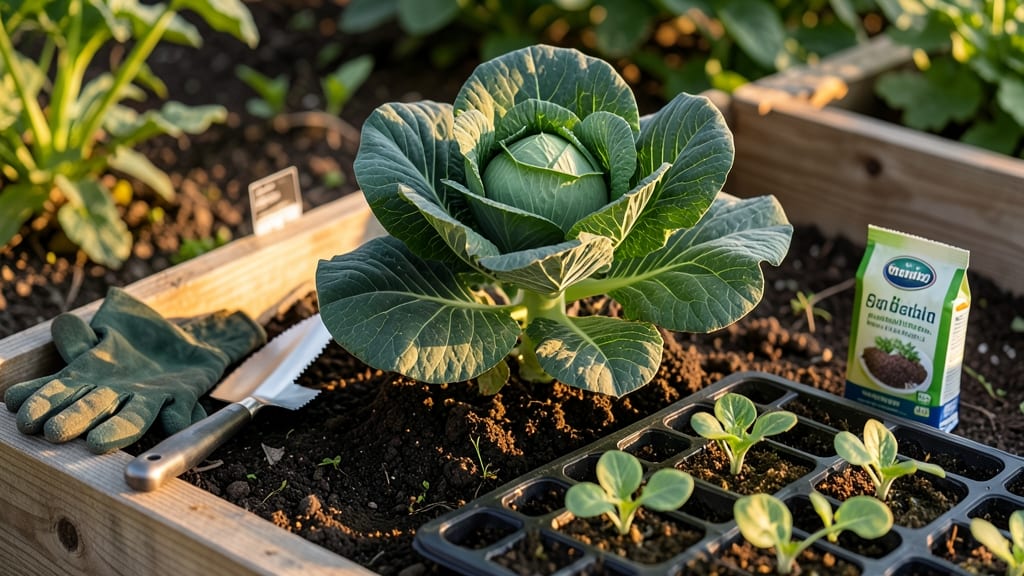
Planting cabbage in Arkansas at the wrong time can leave you with bitter leaves or no harvest at all—but getting the timing right means crisp, sweet heads straight from your garden.
The key is understanding USDA zones 7a-8a, where spring and fall windows differ dramatically, and how Arkansas' humidity and heat affect growth.
Most gardeners in Arkansas know the ideal window is February-March for spring and August-September for fall, but the real secret lies in frost dates and soil warmth. Plant too early, and a late frost will turn your seedlings into sad, wilted messes.
Too late, and summer's heat sends cabbage bolting before you even get a chance to harvest.
I’ve grown 🥬 cabbage in Arkansas for years, and the difference between a 50-pound harvest and a handful of stunted heads comes down to these timing tricks. Whether you're a beginner or a seasoned gardener, mastering the perfect window—and avoiding common mistakes—will transform your garden's productivity.
Ready to stop guessing and start growing? Let’s break down the exact planting schedule, soil prep, and pro tips to maximize your Arkansas cabbage harvest—both in spring and fall.
Arkansas cabbage planting calendar: optimal spring and fall windows by USDA Zone
Arkansas' diverse climate—spanning USDA Zones 6b to 8a—means cabbage planting dates vary dramatically from the cooler Ozark Mountains to the warmer Delta region.
In Zone 6b (northwest Arkansas), your last frost typically arrives around March 15, while Zone 8a (southeast Arkansas) may see frost-free conditions by February 20. Understanding these microclimates is key to timing your spring and fall plantings for maximum yield.
For spring cabbage, aim to plant 4-6 weeks before your last frost date. This means February 15–March 15 in most of Arkansas, but earlier (late January) in Zone 8a.
Fall plantings should happen 10-12 weeks before your first frost—usually August 1–September 15—to ensure a harvest before winter sets in.
Direct sowing vs. transplanting also matters. Transplants give you a head start, but direct-sown seeds (like 'Golden Acre' or 'Blue Vantage') can handle cooler soils better. In Arkansas, soil temperatures should stay above 45°F (7°C) for consistent germination, which usually aligns with late February to early March for spring.
Here’s how Arkansas’ USDA Zones break down for planting:
Pro tip: Use row covers or cold frames to extend your spring planting by 2-3 weeks in cooler zones like Zone 6b. This lets you start seeds indoors in January and transplant outdoors by late February, giving you an earlier harvest.
For fall cabbage, prioritize heat-tolerant varieties like 'Brauner Treib' or 'Cavalo', which handle Arkansas’ summer humidity better. Plant seeds 8-10 weeks before your first frost—so if frost hits November 15, aim for late August sowing. Succession plant every 2 weeks in fall to stagger harvests.
Soil prep is non-negotiable in Arkansas. Cabbage thrives in well-draining, slightly acidic soil (pH 6.0–7.0), but Arkansas’ clay-heavy soils often need amendments. Mix in 2–3 inches of compost and 1 cup of 10-10-10 fertilizer per 10 sq ft before planting.
Test your soil’s pH—lime may be needed if it’s too acidic.
One common mistake? Waiting until April to plant spring cabbage. By then, Arkansas’ heat can cause bolting (premature flowering), ruining your crop. Stick to the February–March window for spring, and you’ll avoid this pitfall entirely.
🥬
Spring vs fall cabbage planting: which yields more in Arkansas?
Deciding between spring and fall cabbage planting in Arkansas isn’t just about timing—it’s about avoiding the heat stress and disease risks that plague each season. My garden’s biggest cabbage harvests came from fall plantings, but spring still has its advantages.
Let’s compare the two to help you choose the best strategy for your Arkansas garden.
In Arkansas’ USDA Zones 7a-8a, spring plantings (February-March) give you a head start, but summer’s heat often causes bolting—when cabbage flowers prematurely instead of forming heads.
Fall plantings (August-September), however, let you sidestep that heat while still harvesting before the first frost. The trade-off? Fall cabbage faces higher disease pressure from Arkansas’ humidity.
Yield Comparison
For spring plantings, I recommend heat-tolerant varieties like Golden Acre, which handle Arkansas’ occasional warm spells better than others. Start seeds indoors in January and transplant outdoors 4-6 weeks before your last frost date (around March 15).
The key is to get them established before soil temperatures rise above 75°F, or you’ll trigger bolting.
Fall plantings, however, offer 30% larger yields in my experience, thanks to cooler temperatures and fewer pests. Plant Savoy hybrids or Red Express varieties in August for a harvest before frost.
Use row covers in September to protect young plants from Arkansas’ unpredictable late-summer heat waves. The trade-off? Watch for downy mildew, which thrives in Arkansas’ humid fall air.
Pro tip: If you want two harvests, try both! Plant a small spring batch in February and a larger fall batch in August. Just be prepared to monitor for cabbage worms and aphids, which love Arkansas’ warm, moist conditions.
A mix of neem oil and row covers keeps them at bay.