
Plants
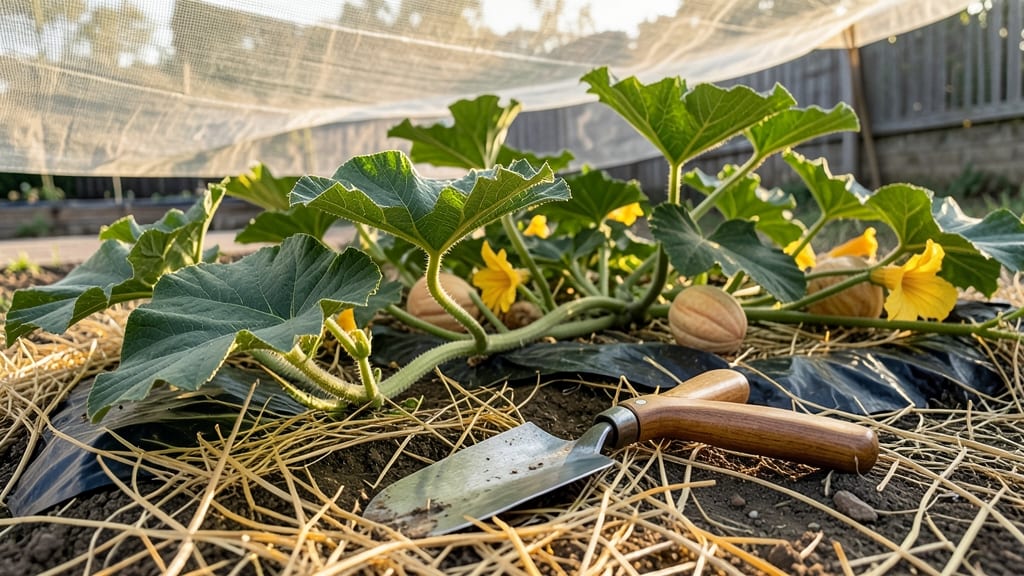
Planting butternut squash 🎃 in Florida isn’t just about avoiding frost—it’s about mastering the heat and humidity to get a bountiful harvest. With 90 days to maturity and soil that can hit 90°F by May, timing your planting window is the key to avoiding wilted vines or stunted fruit.
Most Florida gardeners swear by two planting windows: March through May for spring harvests and August to September for fall crops. But here’s the catch: soil temperature matters more than the calendar. Waiting until the ground reaches 60°F ensures strong root growth before the summer heat ramps up.
In this guide, I’ll break down the exact planting dates for your Florida heat zone, plus pro tips to beat humidity stress and pests. Whether you’re in Zone 9a or 11, you’ll learn how to stretch your growing season without sacrificing yield.
Ready to skip the guesswork? Let’s dive into the perfect timing and techniques to turn your Florida garden into a butternut squash powerhouse.
Florida heat Zone planting calendar for butternut squash success
Butternut squash thrives in Florida’s warm climate, but timing depends on your USDA heat zone (8A-10A). Unlike frost-prone states, Florida’s year-round growing potential means two ideal planting windows: spring and fall.
In Zone 8A, cooler nights demand earlier starts, while Zone 10A can handle late summer planting. Let’s break down the perfect planting windows for each zone.
For direct sowing, aim for soil temperatures above 60°F. Use a soil thermometer to check—cold soil slows germination. In northern Florida (Zones 8A-9A), start seeds indoors 4-6 weeks before the last frost (though frost is rare).
Southern zones (10A) can direct-sow anytime after February, but August-September is ideal for fall harvests.
Transplanting seedlings gives you flexibility.
Buy healthy 3-4 inch starts from nurseries and harden them off for 5-7 days before planting. Spring transplants should go in by mid-March in Zone 8A, while Zone 10A can handle April-May starts. Fall transplants work until mid-August in all zones to avoid hurricane season stress.
Here’s your heat zone-specific planting calendar to maximize yields:
| Heat Zone | Best Planting Windows | Soil Temp Requirement | Harvest Window | Key Tip |
|---|---|---|---|---|
| 8A (North FL) | March 15–April 15 August 1–August 15 |
≥60°F | June–July October–November |
Use black plastic mulch to warm soil faster. |
| 9A (Central FL) | February 28–April 30 July 15–August 30 |
≥60°F | May–June September–October |
Monitor for squash vine borers in summer. |
| 10A (South FL) | January 15–May 1 July 1–September 15 |
≥65°F | April–June August–October |
Provide afternoon shade in peak summer. |
In Zone 8A, spring planting is critical—delaying past April 15 risks heat stress before fruits mature. For fall harvests, plant by August 15 to avoid hurricane season (June-November) disrupting growth. Zone 10A gardeners enjoy longer windows but must watch for powdery mildew in humid conditions.
Use resistant varieties like ‘Waltham’ or ‘Sugar Pie’ for better success.
Pro tip: Succession planting works in Florida! Sow new seeds every 2 weeks in spring/fall to stagger harvests. For example, plant March 1, 15, and 30 in Zone 9A for a continuous supply from June through October.
Just ensure each batch gets full sun and consistent water—these vines are thirsty!
If you’re in Zone 8A, consider row covers for early spring starts to protect from unexpected cool snaps. In Zone 10A, shade cloth (30-50%) during June-August prevents fruit sunscald. Both strategies extend your planting flexibility and boost yields.
Remember: Butternut squash needs space—vines spread 3-5 feet and need trellising in small gardens. Use raised beds in humid zones to improve drainage and reduce disease pressure. With the right timing, you’ll enjoy sweet, homegrown squash year-round!
🎃
Signs your Florida butternut squash planting timing is wrong (and how to fix it)
Even with perfect timing, Florida’s humidity and heat can trick your butternut squash into showing subtle distress signals. Missed planting windows often lead to stunted growth, yellowing leaves, or pest outbreaks—all red flags that your schedule needs adjustment.
In Zone 8A, for example, planting too late in spring can leave vines struggling to mature before summer heat sets in, while Zone 10A gardeners might face overly fast growth that weakens fruit quality.
One of the first signs of poor timing is slow germination or seedlings that wilt after sprouting. This usually means you planted when soil temperatures were below 60°F. In Florida, this is rare but possible in northern zones during unexpected cool snaps in March.
The fix? Use a soil thermometer and wait for consistent warmth. If you’ve already planted, cover seeds with black plastic mulch to speed up soil warming.
Watch for yellowing leaves that start at the older, lower leaves. This could signal heat stress (common in Zone 10A summer plantings) or overwatering in humid conditions.
If leaves also feel spongy or mushy, it’s likely powdery mildew, a fungal disease that thrives in Florida’s high humidity. The solution? Improve air circulation by spacing plants 3-5 feet apart and applying neem oil as a preventative spray every 2 weeks during peak humidity (June-August).
Another warning sign is vines that flower but don’t set fruit. This often happens when plants are stressed from too much heat (above 90°F) or nutrient deficiencies.
In Zone 9A-10A, afternoon shade cloth (30-50%) can help, while a balanced fertilizer (10-10-10) applied at planting and again 6 weeks later can prevent deficiencies. If you’re in Zone 8A and planting in late spring, consider succession planting—sow new seeds every 2 weeks to ensure continuous flowering.
Planting butternut squash in August-September for fall harvests? Be alert for hurricane warnings (June-November). Strong winds can damage vines and disrupt pollination. If a storm is forecasted, secure trellises and prune excess foliage to reduce wind resistance. For Zone 10A gardeners, consider row covers for added protection.
If your squash fruits are small, deformed, or fail to ripen, you’re likely dealing with heat stress or pest pressure. In Zone 10A, squash vine borers are a major threat—look for wilting vines or sawdust-like frass near the stem. The fix?
Apply Bt (Bacillus thuringiensis) spray at dusk to target larvae. For Zone 8A, late spring plantings may not have enough time to mature before summer heat sets in—try earlier starts (March 15) or shorter-season varieties like ‘Gold Rush’ (75-day maturity).
Finally, if your vines yellow and die back prematurely, it could be overwintering stress in Zone 8A or root rot from poor drainage. In northern Florida, avoid planting in low-lying areas where water pools.
Instead, use raised beds with well-draining soil mixed with compost. For Zone 10A, mulch heavily with straw or leaves to retain moisture and regulate soil temperature during extreme heat.
🌱 Remember: Florida’s climate is forgiving, but precision matters. Adjust your planting dates based on these signs, and your butternut squash will reward you with abundant, sweet harvests—no guesswork required!